


What's Happening?
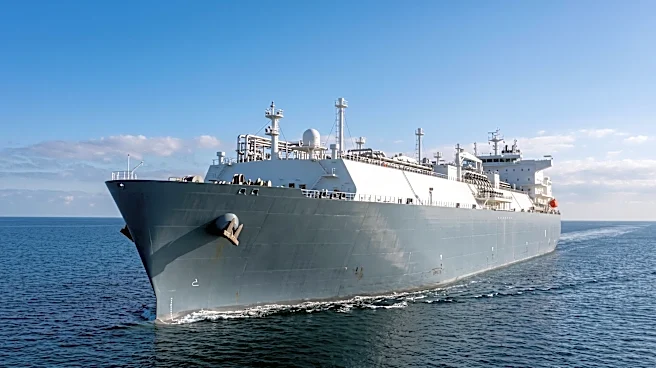
SFL Corporation has placed an order for two 93,000-cubic-meter Very Large Ammonia Carriers (VLACs) at an approximate cost of $216 million. This order marks SFL's entry into the gas carrier segment. The company has also secured long-term time charters
for these newbuilds with an unnamed European-based investment-grade oil major. The vessels are anticipated to be delivered from the second quarter of 2028. The associated charters are expected to add a minimum of about $162 million to SFL's fixed-rate charter backlog. The initial charter duration will be determined within the next six months, with potential options for the charterer to extend the charters by up to four years. The VLACs will be designed to carry a range of petrochemical gases and will feature dual-fuel propulsion and technology aimed at improving fuel efficiency and cargo intake.
Why It's Important?
This strategic investment by SFL Corporation diversifies its asset portfolio by entering the gas carrier segment, which is a growing area in global shipping due to increasing demand for ammonia and other petrochemical gases. The long-term charters with a reputable oil major provide stable revenue streams and underscore SFL's standing as a high-quality provider of maritime logistics assets. For the U.S. and global markets, the addition of these VLACs contributes to the overall capacity for transporting critical industrial chemicals and potential future fuels like ammonia. This expansion in shipping capacity can impact supply chain efficiency and the cost of goods, particularly for industries reliant on these gases. The focus on dual-fuel propulsion and improved fuel efficiency also aligns with global efforts towards decarbonization in the shipping industry, potentially influencing environmental regulations and technological advancements in maritime transport.
What's Next?
The two VLACs are scheduled for delivery starting from the second quarter of 2028. In the coming six months, the initial charter duration will be finalized, which could further increase SFL's fixed-rate charter backlog. The charterer also holds options to extend the charters for up to four additional years, indicating a long-term commitment. SFL's entry into the gas carrier segment suggests potential for further investments and expansion in this area, especially given the growing demand for ammonia and other petrochemical gases. The performance and operational efficiency of these new vessels, particularly their dual-fuel capabilities, will be closely watched as the shipping industry continues its transition towards more sustainable practices.
Beyond the Headlines
The investment in VLACs reflects a broader industry trend towards specialized vessels capable of transporting alternative fuels and industrial gases. Ammonia, in particular, is gaining attention as a potential carbon-free marine fuel and a hydrogen carrier, which could significantly impact the future of global energy and shipping. The development of dual-fuel propulsion systems for these vessels highlights the ongoing technological innovation in maritime transport aimed at reducing greenhouse gas emissions. This move by SFL Corporation could be seen as an early indicator of a shift in the shipping industry's focus, moving beyond traditional fossil fuels to embrace more sustainable and diverse cargo options, with long-term implications for environmental policy and economic development.