






What's Happening?
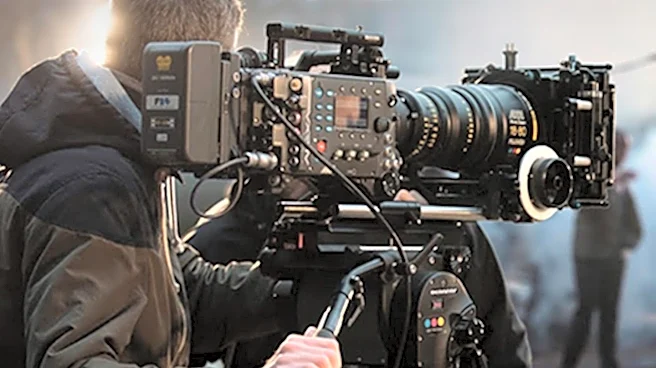
Christopher Nolan's film adaptation of 'The Odyssey' has ignited discussions among scholars and academics, who are analyzing its interpretation of the classic epic. The film, which features Matt Damon as Odysseus, has been praised for its innovative use
of Imax cameras and its potential to revive interest in classic literature. Scholars, including Joel P. Christensen and Monica Cyrino, have noted the film's impact on academic circles, with many appreciating its artistic liberties while acknowledging its deviations from historical accuracy. The film's casting choices and production design have sparked debates about historical consistency, but many academics view these as secondary to the film's entertainment value.
Why It's Important?
The release of 'The Odyssey' is significant as it highlights the intersection of classic literature and modern cinema, potentially revitalizing interest in ancient texts. This cultural phenomenon could lead to increased enrollment in humanities and classics programs, which have been facing cuts in recent years. The film's success may also encourage Hollywood to produce more adaptations of classic literature, providing a platform for academic discussions and public engagement with historical narratives. The debates surrounding the film's casting and production choices reflect broader societal conversations about representation and historical accuracy in media.
What's Next?
As 'The Odyssey' continues to draw attention, it is expected to generate further discussions in academic settings, particularly in classrooms where the film will be used as a teaching tool. The film's reception may influence future adaptations of classic literature, encouraging filmmakers to explore creative interpretations while balancing historical fidelity. Additionally, the film's box office success could lead to a surge in similar projects, potentially impacting the film industry and academic fields related to literature and history.
Beyond the Headlines
The film's adaptation of 'The Odyssey' raises questions about the role of artistic interpretation in preserving cultural heritage. It challenges audiences to consider how modern retellings can coexist with traditional narratives, offering new perspectives on timeless stories. The film's approach to diversity and representation also prompts discussions about inclusivity in historical storytelling, highlighting the evolving nature of cultural narratives and their relevance to contemporary audiences.