






What's Happening?
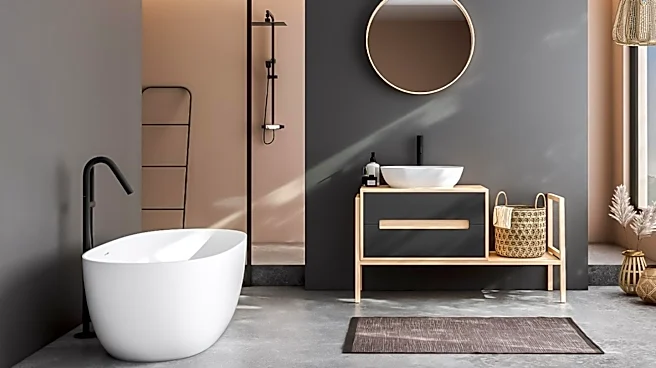
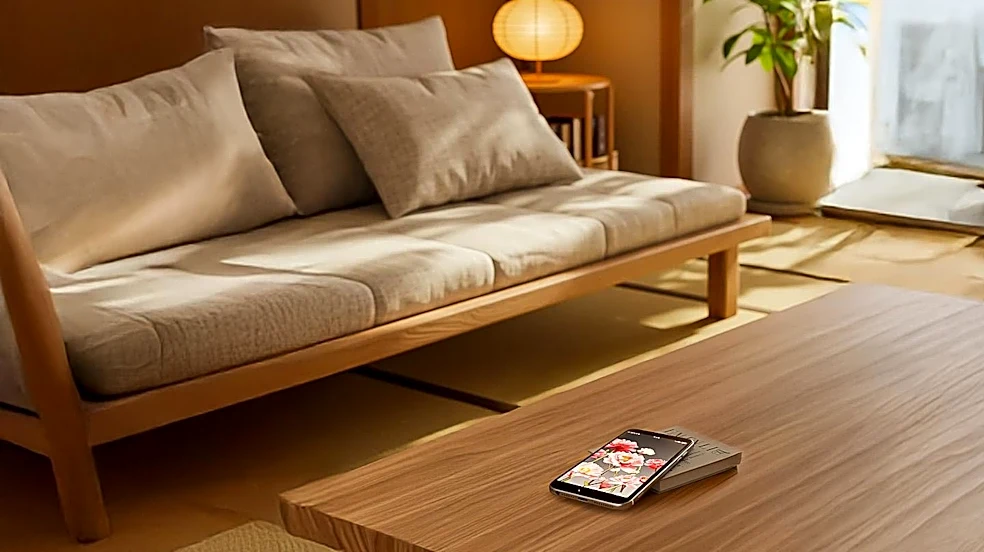
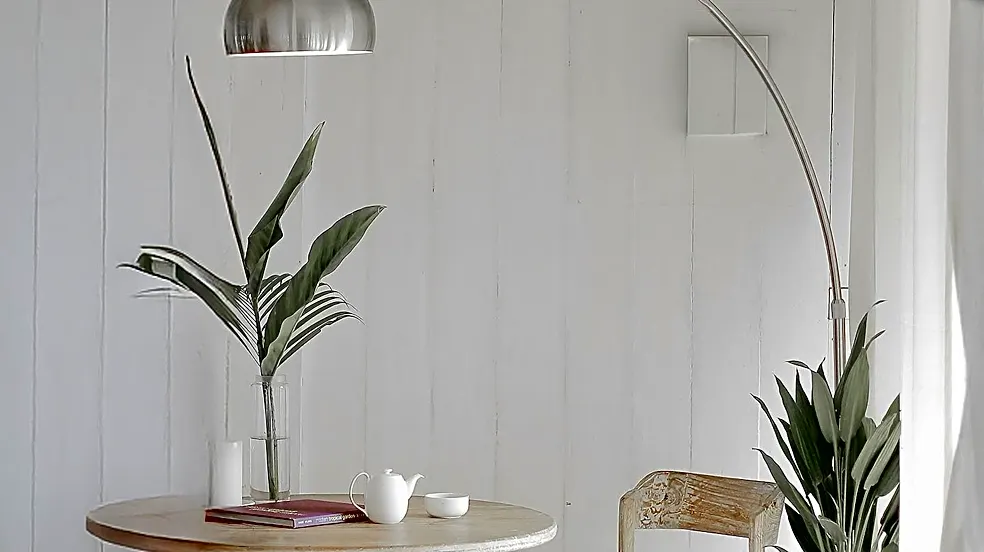
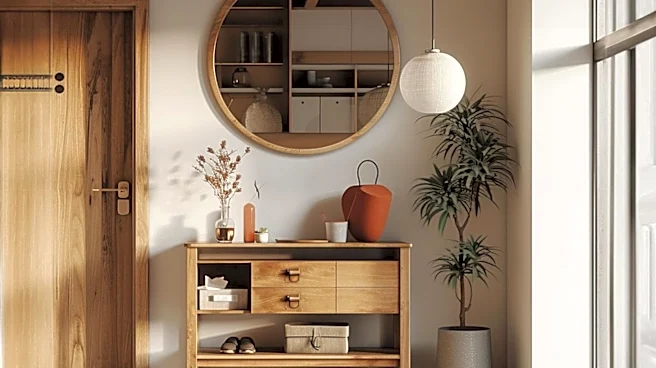
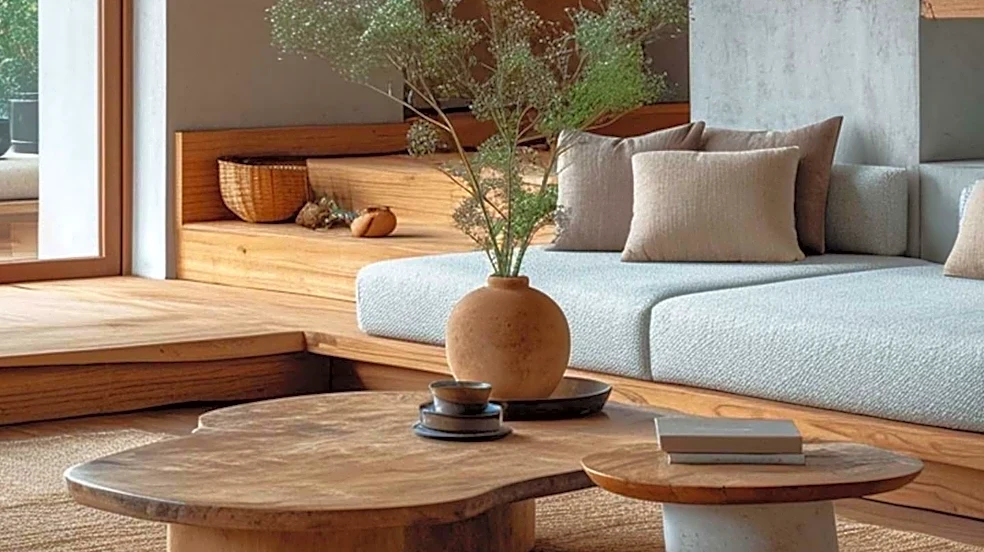
Japandi style is gaining prominence in interior design, characterized by its fusion of Japanese minimalism and Scandinavian simplicity. This aesthetic emphasizes a neutral color palette, natural materials, and a focus on intentionality and simplicity. It
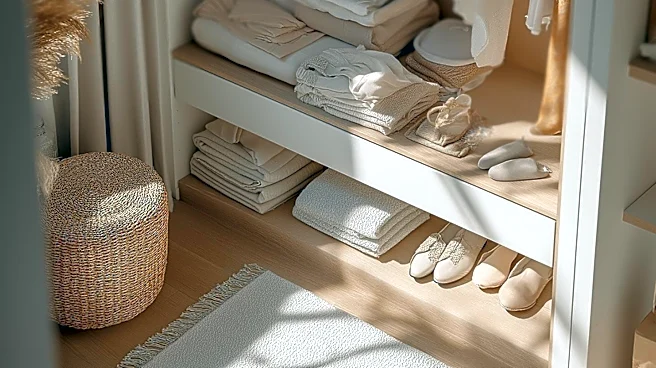
combines the tranquil aspects of Japanese design, such as clean lines and decluttered spaces, with the warmth and coziness inherent in Scandinavian aesthetics. Key elements of Japandi style include muted earthy tones, the use of natural wood, soft colors, and handmade touches. The style aims to create a serene and calming environment, often incorporating elements like pale wood, soft plaster walls, and simple ceramic pieces. This design philosophy prioritizes functionality and comfort while maintaining an uncluttered and harmonious visual appeal.
Why It's Important?
The rise of Japandi style reflects a broader societal shift towards mindfulness, sustainability, and a desire for calmer living spaces in the U.S. This design trend offers an alternative to more opulent or overly decorated interiors, appealing to consumers seeking tranquility and functionality in their homes. For the U.S. home decor industry, this means an increased demand for products that align with Japandi principles, such as natural wood furniture, minimalist decor, and textiles in muted tones. Businesses that adapt to this trend by offering sustainable and ethically sourced materials, along with designs that emphasize simplicity and craftsmanship, stand to gain. Conversely, retailers heavily invested in more maximalist or trend-driven decor might need to adjust their offerings to remain competitive. The emphasis on natural materials also supports industries involved in sustainable sourcing and production.
What's Next?
The Japandi trend is expected to continue influencing home decor choices, with designers and retailers likely to further integrate its principles into their collections. Consumers can anticipate more readily available furniture and decor items that embody this fusion, from minimalist wooden pieces to textiles in earthy palettes. There may also be an increase in DIY and budget-friendly approaches to achieving the Japandi look, as individuals seek to replicate the style without significant investment. This could lead to a surge in online content and resources offering guidance on incorporating Japandi elements through simple swaps like matte paint, thrifted mirrors, and natural plant arrangements. The focus on creating 'quiet' and calming spaces suggests a sustained interest in design that promotes well-being.
Beyond the Headlines
Beyond its aesthetic appeal, Japandi style embodies a deeper philosophical approach to living, drawing from the Japanese concept of wabi-sabi, which finds beauty in imperfection, and the Scandinavian concept of hygge, which emphasizes coziness and well-being. This blend encourages a more conscious consumption pattern, where quality and longevity are prioritized over quantity. It challenges the consumerist culture by advocating for fewer, more meaningful possessions and a greater appreciation for natural elements. The style's emphasis on decluttering and creating serene environments can also have psychological benefits, contributing to reduced stress and improved mental clarity for those living in such spaces. This cultural shift towards intentional living, reflected in design choices, could foster a broader appreciation for craftsmanship and sustainable practices across various industries.