





What's Happening?
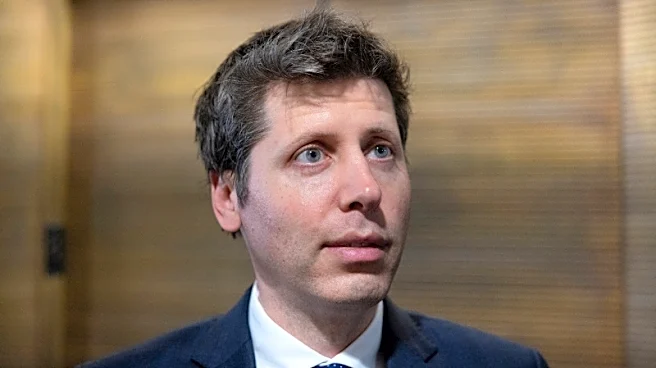
OpenAI CEO Sam Altman has announced that the company will not go public this year, pushing its anticipated IPO until at least 2027. Altman cited growing concerns about AI safety as the primary reason for this decision, stating that an IPO now would be
'ill-advised.' This announcement follows a period of increasing apprehension within the AI industry regarding the rapid advancement of AI capabilities. Concurrently, Anthropic CEO Dario Amodei published an essay proposing a three-step plan to slow the pace of AI model improvements without sacrificing commercial advantage or the U.S.'s lead in AI. Amodei's plan includes granting third-party evaluators employee-level access to verify safety practices, coordinating common safety standards among leading AI companies in democratic countries, and fostering coordination between democratic and authoritarian governments. Both Altman and Elon Musk have publicly supported Amodei's proposal, signaling an unusual alignment among fierce industry rivals.
Why It's Important?
This dual development signifies a critical turning point for the U.S. AI industry, where safety concerns are now directly impacting major business decisions and strategic planning. OpenAI's IPO delay, a highly anticipated event, underscores the gravity with which industry leaders are approaching the potential risks of advanced AI. Amodei's proposal, backed by key figures like Altman and Musk, suggests a growing consensus among AI developers that a more deliberate and cautious approach to AI advancement is necessary. This could lead to significant shifts in industry practices, potentially influencing future regulatory frameworks in the U.S. The emphasis on third-party evaluations and coordinated safety standards could become industry norms, impacting how AI research and development are conducted, thereby affecting innovation timelines and investment strategies across the sector. This also highlights the increasing pressure from Washington for new AI safeguards.
What's Next?
Anthropic has already committed to the first step of Amodei's plan, granting third-party evaluators employee-level access to verify safety practices. This unilateral action could set a precedent for other leading AI companies. The proposed coordination among AI companies in democratic countries to establish common safety standards suggests future industry-wide initiatives and potentially new consortiums focused on AI governance. The call for coordination between democratic and authoritarian governments indicates a long-term vision for global AI regulation, which could involve complex diplomatic efforts. In Washington, lawmakers are already pushing for new AI safeguards, and these industry-led proposals could inform future legislation. The delay of OpenAI's IPO also provides more time for the company to address safety concerns and potentially integrate new safety protocols before facing public market scrutiny.
Beyond the Headlines
The convergence of major AI leaders on the issue of slowing AI development and prioritizing safety reveals a profound ethical dilemma at the heart of technological progress. This shift moves beyond mere technical challenges to address existential risks, reflecting a growing awareness of AI's potential societal impact. The unusual alignment between competitors like Altman, Amodei, and Musk suggests a shared sense of responsibility that transcends commercial rivalry, indicating a maturing industry grappling with its own power. This could foster a new era of collaboration on safety standards, potentially leading to a more regulated and ethically conscious AI ecosystem. The decision to delay an IPO for safety reasons also sets a precedent for how future disruptive technologies might be introduced to the market, prioritizing long-term societal well-being over immediate financial gains, thereby reshaping investor expectations and corporate governance in the tech sector.