


What's Happening?
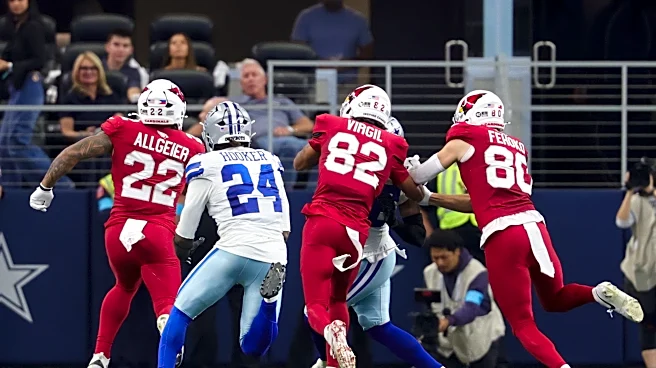
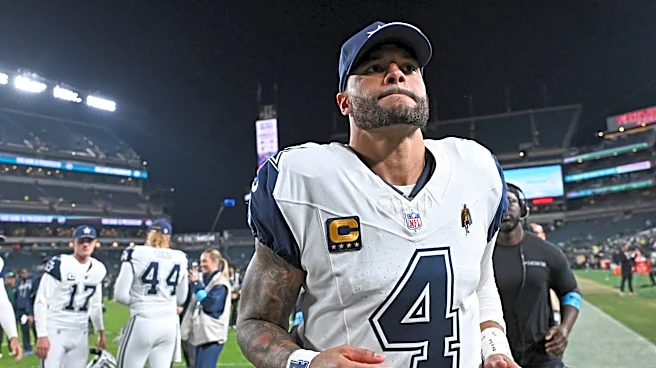
Following the Dallas Cowboys' 33-30 overtime loss to the Arizona Cardinals, former NFL quarterback Chris Simms has publicly questioned Dak Prescott's long-term future as the team's starting quarterback. The Cowboys squandered a 14-point fourth-quarter
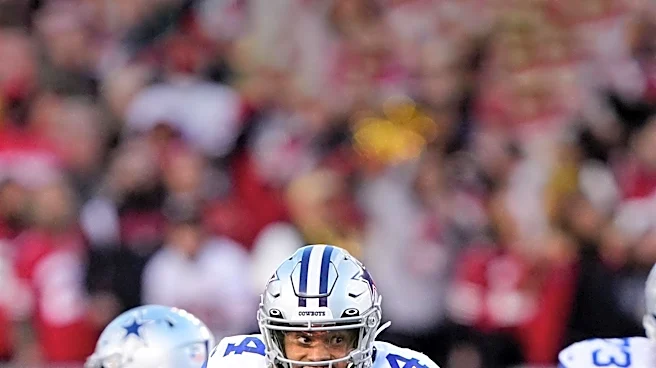
lead, falling to a 3-5 record. Simms, during a Pro Football Talk discussion, stated that for the amount Prescott is being paid, he is not among the top quarterbacks in the league, despite having significant support around him. Prescott signed a four-year, $240 million extension in 2024, keeping him under contract through 2028. Simms suggested that the team might reconsider its long-term direction if the current performance trend continues. Prescott himself acknowledged that the offense had opportunities to secure the win and prevent the game from going into overtime, completing 19 of 29 passes for 195 yards and a touchdown, along with a rushing score. The team's rushing game was also ineffective, gaining only 93 yards on 39 attempts.
Why It's Important?
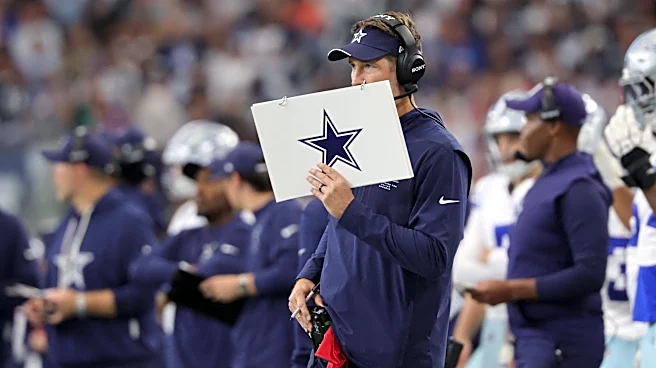
The questioning of Dak Prescott's role as the Dallas Cowboys' franchise quarterback carries significant implications for the team's future and the broader NFL landscape. Prescott's substantial contract, a four-year, $240 million extension, makes any potential move away from him financially challenging due to astronomical dead cap hits, as highlighted by sources like Sports Illustrated. A change at quarterback would necessitate a complete overhaul of the team's offensive strategy and potentially impact player morale and fan engagement. For the Cowboys, a team perpetually seeking a Super Bowl appearance, the ongoing struggles raise questions about their ability to compete at an elite level with their current roster and coaching staff. The situation also puts immense pressure on head coach Brian Schottenheimer, though Prescott has defended him, stating that blame should be shared across the team. The team's performance in the remaining games will be crucial in determining the direction the franchise takes, impacting not only the players and coaching staff but also the team's financial commitments and future draft strategies.
What's Next?
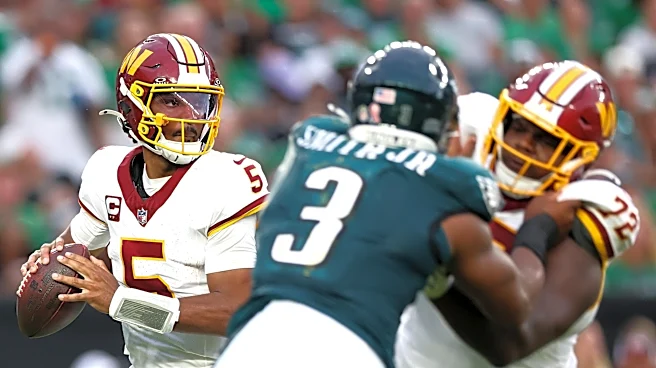
The Dallas Cowboys are set to visit Indianapolis on November 8, providing Dak Prescott another opportunity to demonstrate his leadership and performance capabilities. The team remains in the NFC East race, with the Giants leading at 4-2-1, followed by Dallas at 3-5, Washington at 2-4-1, and Philadelphia at 2-6. Prescott expressed confidence in the team's ability to control their destiny, emphasizing the need to focus on immediate games. However, if the team's struggles persist, the murmurs about Prescott's future could intensify, potentially leading to difficult decisions for the Cowboys' management. While a complete separation from Prescott before 2027 seems unlikely due to his contract's dead cap implications, the team might explore options like contract restructuring or extensions to manage his massive $76 million cap hit in 2027. The ongoing performance will dictate whether the Cowboys continue to build around Prescott or begin to seriously consider alternative long-term solutions at the quarterback position.
Beyond the Headlines
The ongoing debate surrounding Dak Prescott's performance and future with the Dallas Cowboys extends beyond mere statistics, touching upon the complex dynamics of player contracts, team legacy, and fan expectations in professional sports. The financial implications of Prescott's contract highlight a broader trend in the NFL where massive quarterback deals can significantly constrain a team's salary cap flexibility, making it challenging to build a well-rounded roster. This situation also underscores the immense pressure placed on franchise quarterbacks, particularly in high-profile markets like Dallas, where historical success and fervent fan bases create an environment of constant scrutiny. The narrative of individual blame versus collective team responsibility, as seen in Prescott's defense of Coach Schottenheimer, reflects a common tension in sports leadership. Ultimately, the Cowboys' handling of this situation could set a precedent for how NFL teams navigate the balance between long-term financial commitments to star players and the immediate need for on-field success, influencing future contract negotiations and team-building philosophies across the league.