




What's Happening?
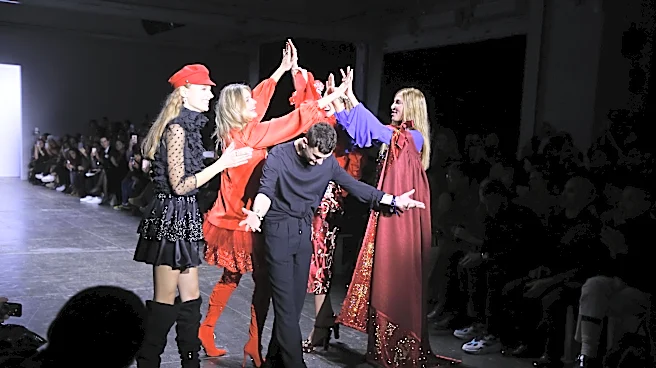
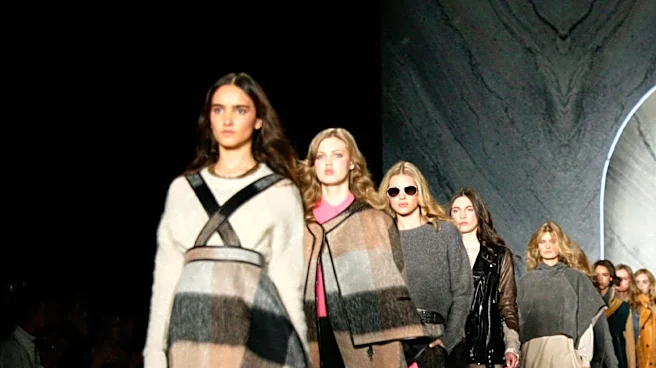
Luxury car brand Ferrari showcased its Spring 2027 ready-to-wear collection in New York City, featuring predominantly gender-neutral, silhouetted looks. The fashion show, held at the Jack Shainman Gallery in TriBeCa, included supermodel Adriana Lima among
its models. Lima, known for her extensive career with Victoria's Secret, walked the runway in a slicked-back braid, dramatic smoky-eye makeup, and a bold red lip, wearing brown textured leopard print pants and a yellow tank top, accessorized with heavy silver jewelry. Makeup artist Lucy Bridge crafted Lima's vintage high-fashion editorial glam, while hairstylist Guido Palau was responsible for the models' hair care, opting for a slicked-back braid for Lima. This event marks Ferrari's continued venture into the fashion world, presenting a collection that emphasizes inclusivity through its gender-neutral designs.
Why It's Important?
Ferrari's decision to feature gender-neutral designs in its Spring 2027 collection is significant for the U.S. fashion industry, reflecting a broader societal shift towards inclusivity and fluid gender expression in clothing. This move by a prominent luxury brand like Ferrari can influence other designers and retailers to adopt similar approaches, potentially expanding the market for gender-neutral apparel. For consumers, it offers more diverse and inclusive fashion choices, challenging traditional gender norms in clothing. The involvement of a high-profile supermodel like Adriana Lima further amplifies the message, bringing mainstream attention to gender-neutral fashion and potentially accelerating its acceptance and integration into everyday wear. This trend could lead to a re-evaluation of traditional clothing categories and marketing strategies within the U.S. retail sector.
What's Next?
The presentation of Ferrari's gender-neutral collection in New York could set a precedent for future fashion seasons, encouraging more brands to explore and integrate gender-inclusive designs into their offerings. Industry observers will likely monitor consumer reception and sales performance of such collections to gauge the long-term viability and impact of this trend. Fashion critics and social commentators will continue to discuss the implications of gender-neutral fashion on identity, consumer behavior, and the evolution of style. This development may also prompt discussions among U.S. retailers about how to best merchandise and market gender-neutral clothing to a diverse customer base, potentially leading to new store layouts or online shopping experiences that cater to this evolving demand.
Beyond the Headlines
The embrace of gender-neutral fashion by a brand like Ferrari extends beyond mere clothing trends; it reflects a deeper cultural movement towards greater acceptance and fluidity in identity. This shift challenges long-held societal norms about how individuals, particularly in the U.S., are expected to dress based on their gender. It has ethical implications by promoting inclusivity and reducing gender-based stereotypes in appearance. Legally, while not directly impacted, the broader cultural acceptance fostered by such fashion trends could indirectly support movements for gender equality and non-discrimination. Culturally, it signifies a move away from rigid binaries, allowing for more personal expression and comfort in clothing choices, potentially influencing how future generations perceive and interact with fashion.