








What's Happening?
Weatherford has integrated permanent magnet motor (PMM) technology into its artificial lift systems to improve efficiency, reliability, and environmental responsibility. Since 2022, over 600 PMMs have been deployed globally, establishing a new benchmark
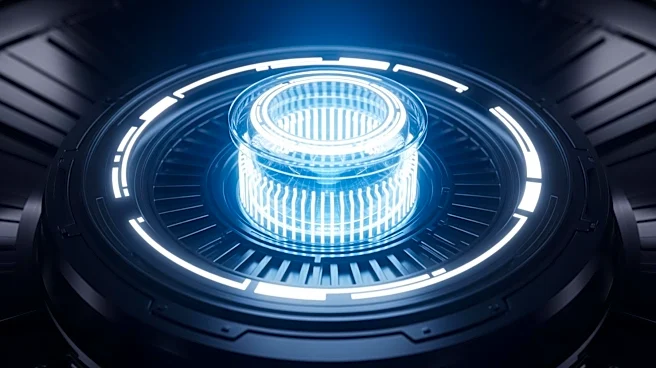
in artificial lift performance. The PMM is an AC-synchronous, direct-drive system that outperforms conventional induction motors by using embedded permanent magnets to create a continuous magnetic field. This design eliminates rotor slip, improves efficiency, and delivers high torque at low speeds. The technology simplifies surface systems by removing components like sheaves and belts, reducing parasitic losses and maintenance needs. Field results have shown significant energy savings and reduced emissions, with a notable case in Pipestone, Manitoba, where a PMM retrofit led to a 51.73% reduction in power usage.
Why It's Important?
The integration of PMM technology by Weatherford is significant for the energy industry as it addresses the dual challenges of improving operational efficiency and reducing environmental impact. By enhancing artificial lift systems, operators can achieve lower operating costs, reduced emissions, and improved safety at well sites. The technology's ability to deliver high torque at low speeds and reduce maintenance requirements translates into increased uptime and a more predictable energy profile. This is crucial as the industry faces pressure to meet production targets while adhering to emissions-reduction goals. The successful deployment of PMMs in various field trials demonstrates their potential to transform artificial lift operations, offering a sustainable and cost-effective solution for the oil and gas sector.
What's Next?
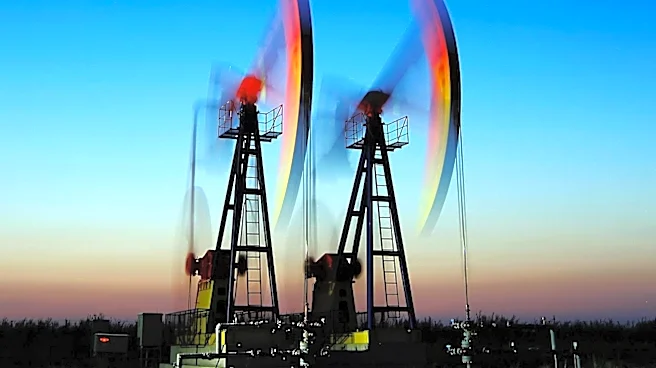
Weatherford's continued deployment of PMM technology is likely to expand as operators seek to optimize artificial lift systems further. The integration of regenerative power systems with variable-speed drives could enhance energy efficiency by capturing and reusing energy generated during operations. As the industry prioritizes sustainability, the adoption of PMMs and related technologies may increase, potentially leading to broader industry standards for artificial lift systems. Operators may also explore additional retrofit opportunities to unlock energy savings in existing rod-lift fleets, contributing to a more sustainable energy landscape.
Beyond the Headlines
The adoption of PMM technology reflects a broader industry trend towards sustainable energy practices. By reducing mechanical failure points and optimizing energy use, PMMs contribute to a smaller carbon footprint and align with global efforts to combat climate change. The technology's ability to improve safety by eliminating rotating equipment and reducing maintenance exposure is also significant, as it addresses industry concerns about worker safety and operational risks. As the energy sector evolves, innovations like PMM technology will play a critical role in balancing productivity with environmental responsibility.