







What's Happening?
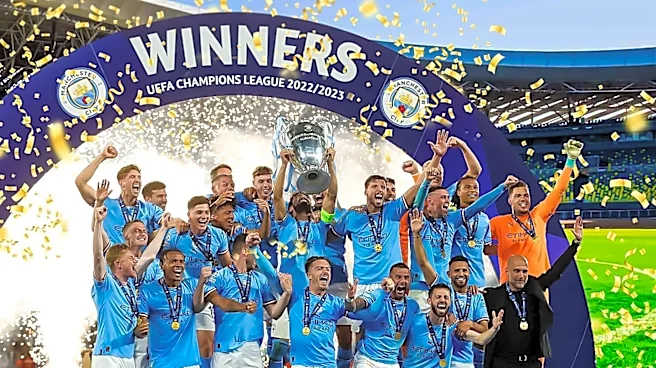
A significant division has emerged among Premier League chief executives as several clubs are pushing for a new investigation into Manchester City's financial conduct. This demand comes despite Manchester City already facing 114 charges for alleged financial rule
breaches between 2009 and 2018. The new push aims to scrutinize the club's finances from 2018 onwards. The initial ruling highlighted concerns over sponsorship agreements that were allegedly disguised as owner investment, and rival executives are skeptical that these practices ceased after 2018. The independent commission also established that Manchester City and its Abu Dhabi-based sponsors were related parties, leading some officials to believe that if this relationship remained unchanged, it could form the basis for additional charges. However, other chief executives are hesitant to initiate another lengthy legal battle, fearing further damage to the Premier League's reputation. Manchester City has vehemently denied the initial charges and has appealed the verdict, asserting they possess "irrefutable evidence" to clear their name. A final decision on the appeal and potential sanctions is anticipated in the New Year.
Why It's Important?
This escalating dispute signifies a deepening rift within the Premier League, potentially leading to prolonged legal battles and reputational damage for the league. If a second investigation is launched, it could set a precedent for how financial fair play rules are enforced and scrutinized in professional sports, particularly concerning club ownership and sponsorship deals. The outcome could significantly impact Manchester City, with potential penalties ranging from substantial financial fines and points deductions to expulsion from the Premier League. Such severe sanctions would have profound implications for the club's competitive standing, brand value, and future financial operations. For other clubs, the situation highlights the ongoing tension between competitive integrity and the financial advantages some clubs may gain through complex ownership structures. The debate also underscores the challenges of regulating financial conduct in a globalized sports industry, where ownership often involves international entities with diverse financial practices.
What's Next?
The immediate next step involves the Premier League's response to the demands for a second investigation, which will likely involve internal discussions among club executives and legal teams. Manchester City's appeal against the initial 114 charges is ongoing, with a final verdict expected in the New Year. This decision will be crucial, as it will determine the severity of any penalties imposed on the club and could influence the momentum for a subsequent investigation. If the initial guilty verdicts are upheld, the pressure for further scrutiny of post-2018 finances will intensify. Conversely, if Manchester City successfully overturns the charges, it could weaken the case for a new probe. Stakeholders, including club owners, league officials, and fan groups, will closely monitor these developments, as the outcome could reshape the competitive landscape and financial regulations of English football for years to come.
Beyond the Headlines
The controversy surrounding Manchester City's finances extends beyond immediate sporting penalties, touching upon broader ethical and legal questions regarding transparency and fairness in sports ownership. The allegations of disguised owner investment raise concerns about the integrity of financial fair play regulations, designed to ensure a level playing field. This situation could prompt a re-evaluation of existing financial oversight mechanisms within football leagues globally, potentially leading to stricter rules on related-party transactions and sponsorship valuations. The reliance on leaked emails in the initial investigation also highlights the role of whistleblowers and investigative journalism in uncovering financial irregularities in sports. Furthermore, the 'civil war' among Premier League clubs reflects underlying tensions about competitive balance and the perceived advantages of state-backed ownership models, which could trigger long-term shifts in how football governance addresses financial disparities and ethical conduct.