







What's Happening?
Frazier & Deeter (FD), a nationally ranked accounting and advisory firm, has been named a 2026 Best CPA Firm for Equity Leadership by the Accounting MOVE Project for the 13th consecutive year. This recognition highlights the firm's sustained commitment
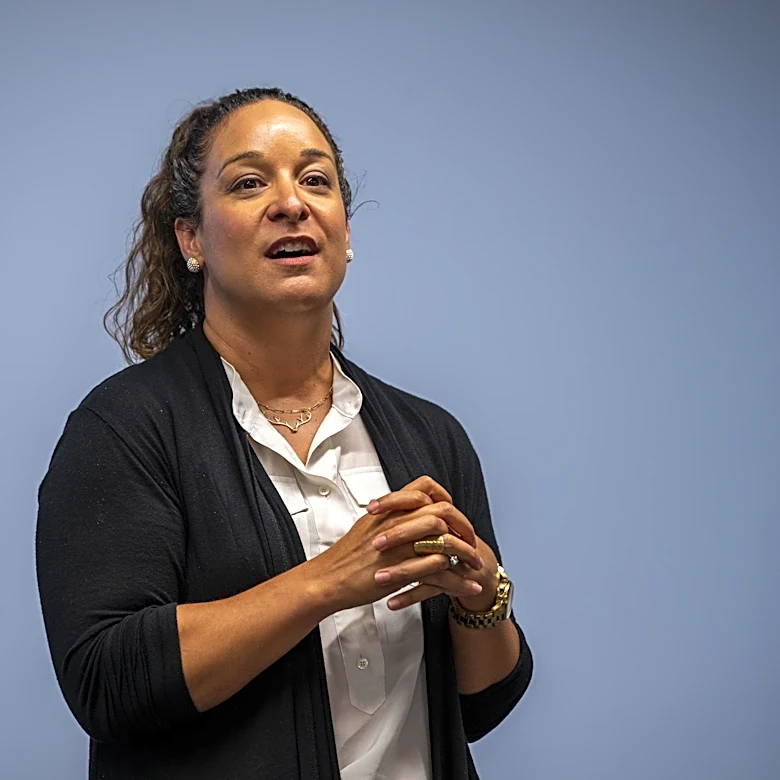
to advancing women in leadership roles and fostering an equitable workplace environment. The Best CPA Firms for Equity Leadership designation is awarded to firms where women constitute at least 31% of partners and principals, a benchmark considered crucial for women to significantly influence organizational decisions and firm direction. Gina Gondron, Partner and Co-Leader of FD’s Women’s IDEA Affinity Group, emphasized that developing strong leaders and creating advancement opportunities for women are integral to the firm's ongoing success. Jeremy Jones, Managing Partner & CEO of FD, reiterated the firm's dedication to investing in its people and supporting professional development to cultivate future leaders. The firm's Inclusion, Diversity, Equity & Awareness (IDEA) initiatives, including the EmpowerHer Network, play a key role in fostering this culture through various programs and networking events.
Why It's Important?
This consistent recognition of Frazier & Deeter underscores a broader industry trend and growing emphasis on diversity, equity, and inclusion within professional services, particularly in the accounting sector. The firm's achievement of having over 31% women in partner and principal roles sets a significant example for other U.S. firms, demonstrating that intentional strategies can lead to tangible progress in leadership representation. This is important because diverse leadership teams often bring varied perspectives, which can lead to more innovative solutions and better decision-making, ultimately benefiting clients and the firm's overall performance. For the U.S. business landscape, such accolades highlight the increasing value placed on equitable workplaces, which can attract top talent and enhance corporate reputation. The Accounting MOVE Project's role in benchmarking and advocating for women's advancement in accounting further emphasizes the industry's collective effort to address gender disparities and promote inclusive growth.
What's Next?
Frazier & Deeter is expected to continue its focus on its Inclusion, Diversity, Equity & Awareness (IDEA) initiatives, including the EmpowerHer Network, to further support the professional growth and leadership advancement of women within the firm. The firm's ongoing commitment suggests that it will likely maintain or even increase its percentage of women in leadership roles, potentially setting new benchmarks for the industry. Other accounting firms in the U.S. may look to Frazier & Deeter's strategies as a model for their own diversity and inclusion efforts, especially given the increasing scrutiny and demand for equitable workplaces. The Accounting MOVE Project will continue its annual benchmarking, which could further highlight firms making significant strides in equity leadership, thereby encouraging broader industry adoption of best practices. This sustained focus on equity is likely to influence talent acquisition and retention strategies across the accounting profession, as firms compete to attract and retain diverse talent.
Beyond the Headlines
The sustained recognition of Frazier & Deeter for its equity leadership points to a deeper cultural shift within the U.S. accounting profession. Beyond mere compliance or public relations, the firm's long-term commitment suggests an embedded belief that diversity in leadership directly contributes to business success and a healthier organizational culture. This trend challenges traditional, often male-dominated, structures within professional services and signals a move towards more meritocratic and inclusive environments. The emphasis on women in leadership also has broader societal implications, as it contributes to closing the gender pay gap and providing role models for future generations of professionals. Ethically, it reinforces the idea that businesses have a responsibility to foster equitable opportunities. Legally, while not directly tied to new regulations, such recognition can influence future policy discussions around corporate diversity mandates or incentives, reflecting an evolving understanding of what constitutes a 'best practice' in corporate governance and human capital management.