








What's Happening?
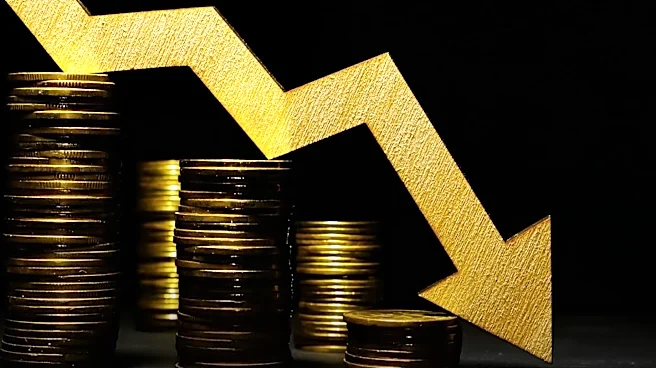
Gold prices have surged, nearing $4,200 per ounce, as the U.S. dollar weakened following a weaker-than-expected employment report. The report showed nonfarm payrolls rose by 57,000 in June, with the unemployment rate at 4.2%. This has led to reduced urgency
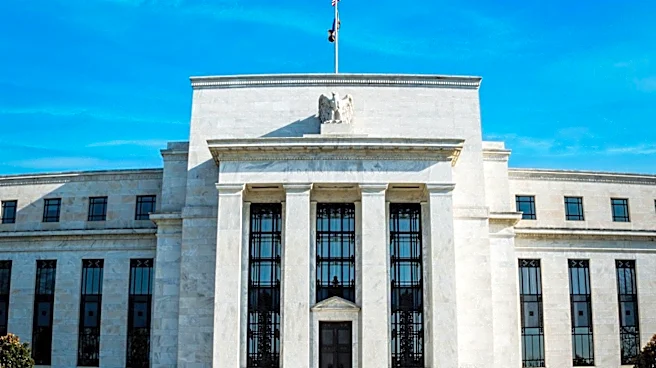
for Federal Reserve rate hikes, pushing the dollar lower and supporting precious metals. Silver prices have also increased, trading near $62.22 per ounce. The market is now focused on upcoming economic indicators, including the July 14 CPI release and the July 29 FOMC decision, which could further influence gold prices.
Why It's Important?
The rise in gold prices reflects broader economic concerns, particularly regarding labor market momentum and inflation. The weaker employment data has shifted market expectations about Federal Reserve policy, impacting currency and precious metal markets. This situation highlights the interconnectedness of economic indicators and market responses, with potential implications for investors and policymakers. The ongoing negotiations over the Strait of Hormuz and its impact on oil prices also play a role in shaping market dynamics, affecting inflation expectations and monetary policy considerations.
What's Next?
Traders are closely monitoring upcoming economic data releases and Federal Reserve decisions, which will be critical in determining the future trajectory of gold prices. The market will assess whether weaker labor market data will offset inflation concerns, influencing Federal Reserve policy. Additionally, geopolitical developments, particularly regarding the Strait of Hormuz, could impact oil prices and, consequently, inflation expectations. These factors will be crucial in shaping market sentiment and investment strategies in the coming weeks.