








What's Happening?
Stellantis and GreenYellow, an energy sector partner, have officially presented their joint project aimed at transforming the energy system of the Stellantis industrial plant in Madrid. This initiative, gradually implemented over recent months, integrates
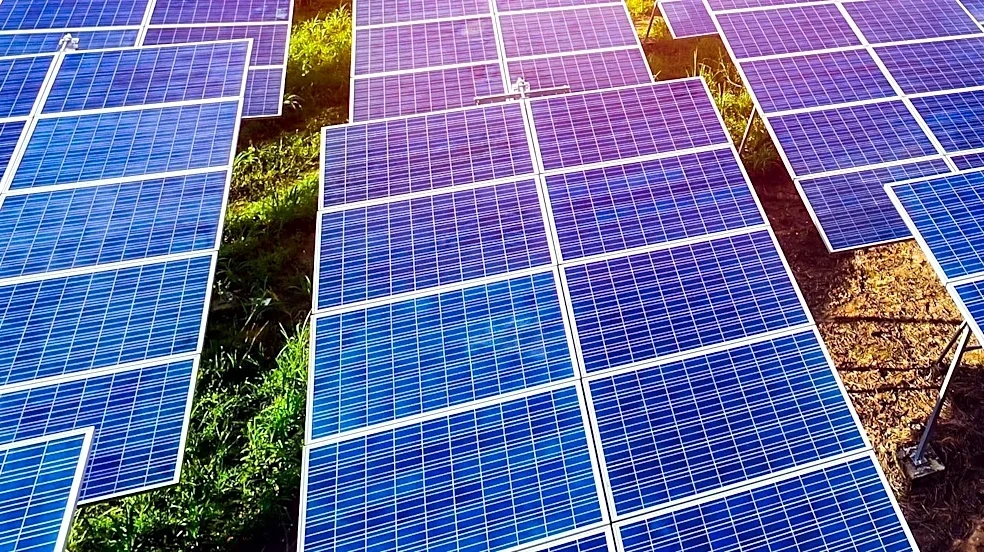
energy efficiency measures, electrification of thermal uses, local renewable electricity production, and energy storage. Key components include replacing gas boilers with heat pumps, which is projected to reduce annual gas consumption by approximately 2.9 GWh and associated emissions by 57%. The project also features 12.4 MWp of photovoltaic capacity for self-consumption, including a 4.6 MWp ground-mounted solar plant generating about 7 GWh of renewable electricity annually, and a 25 MWh battery storage system to optimize the use of locally generated power. This comprehensive approach seeks to enhance the plant's control over energy consumption and costs, reduce emissions, and bolster energy resilience. The project's unveiling brought together representatives from Stellantis, GreenYellow, and IcoEnergía, a project partner, along with other industrial and energy stakeholders.
Why It's Important?
This project signifies a substantial step towards industrial decarbonization within the automotive manufacturing sector. By integrating diverse energy solutions, Stellantis aims to achieve greater energy independence and reduce its carbon footprint, setting a precedent for other large-scale industrial operations. The shift from fossil fuels to renewable energy sources and electrified thermal uses directly addresses environmental concerns and aligns with global sustainability goals. For Stellantis, this initiative enhances operational efficiency and cost control by optimizing energy consumption and leveraging on-site renewable generation. The partnership with GreenYellow demonstrates a model for how industrial entities can collaborate with energy experts to implement complex, integrated energy systems. This move also strengthens the plant's energy resilience, making it less susceptible to fluctuations in external energy markets and supply chain disruptions, which is crucial for continuous manufacturing operations.
What's Next?
The successful implementation and ongoing operation of this flexible electrification project at the Madrid plant will likely serve as a blueprint for Stellantis's other industrial facilities globally. The company may explore replicating similar integrated energy solutions across its wider manufacturing network to further its decarbonization objectives and achieve broader energy efficiencies. GreenYellow, as an orchestrator of flexible electrification, could leverage this project as a case study to attract other industrial clients seeking to transform their energy systems. Future developments might include further expansion of renewable energy capacity at the Madrid plant, integration of more advanced energy management technologies, or exploring additional electrification opportunities within the manufacturing process. The project's performance data will be crucial in evaluating its long-term economic and environmental benefits, potentially influencing future investment decisions in sustainable industrial practices.
Beyond the Headlines
This initiative reflects a broader trend in the industrial sector towards comprehensive energy transformation, moving beyond simple renewable energy adoption to integrated systems that combine efficiency, electrification, generation, and storage. It highlights the increasing recognition among major manufacturers that energy management is a strategic asset, not just an operational cost. The project also underscores the growing importance of partnerships between industrial giants and specialized energy solution providers to navigate the complexities of the energy transition. Ethically, it demonstrates a commitment to corporate social responsibility by actively reducing environmental impact. Legally, such projects anticipate and align with evolving environmental regulations and carbon pricing mechanisms. Culturally, it signals a shift in industrial mindset towards sustainability as a core business value, potentially influencing supply chains and consumer expectations for environmentally responsible manufacturing.