



What's Happening?
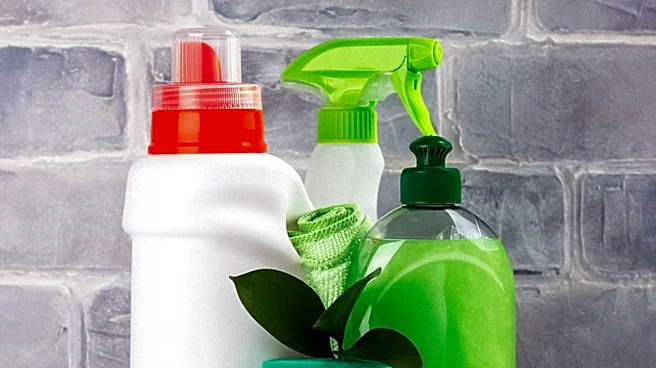
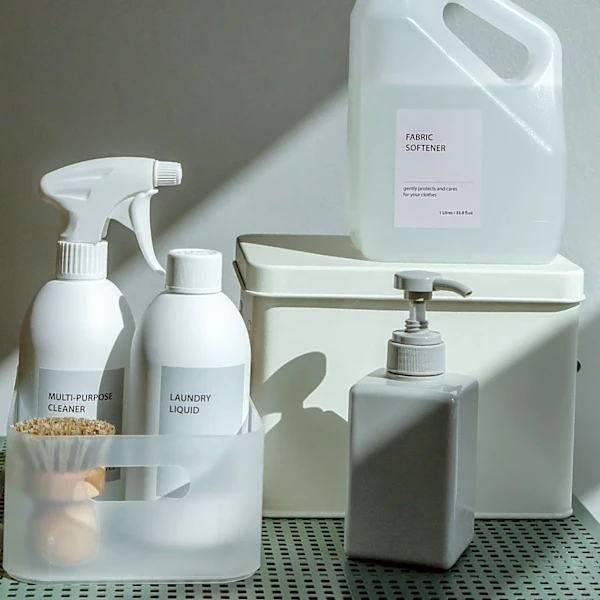
The adoption of eco-home refillable products is gaining traction as a significant strategy to combat plastic consumption and single-use waste. Consumers are increasingly encouraged to choose refillable containers for various household items, including
soap and personal care products, to minimize their environmental footprint. Beyond personal care, the movement extends to other areas of the home, advocating for sustainable alternatives like toilet tissue made from recycled or sustainable materials, and the use of washable cloths instead of disposable wipes and paper towels. This shift emphasizes a conscious effort to reduce waste at the source, particularly in frequently used spaces like bathrooms, where every product choice presents an opportunity to manage ecological impact. The focus is on making small, impactful changes in daily habits and product selections to foster a more sustainable living environment.
Why It's Important?
This trend towards eco-home refillable products is important because it directly addresses the escalating global plastic waste crisis and promotes sustainable consumption patterns within the U.S. By opting for refillable containers and reusable alternatives, consumers can significantly reduce their contribution to landfills and ocean pollution. The personal care industry alone produces 120 billion units of packaging annually, with a substantial portion being non-recyclable plastic. This initiative empowers individuals to make tangible differences, shifting demand towards brands that prioritize sustainable packaging and product lifecycles. Furthermore, it encourages a broader reevaluation of household consumption, prompting consideration of the environmental impact of everyday items and fostering a culture of reuse over disposability. This movement has the potential to drive innovation in product design and packaging across various industries, pushing companies to develop more environmentally responsible solutions.
What's Next?
Looking ahead, the market for eco-home refillable products is expected to expand as consumer awareness and demand for sustainable options continue to grow. This will likely lead to more brands offering refillable versions of their popular products and the emergence of new companies specializing in zero-waste solutions. We can anticipate increased availability of refill stations in retail stores, making it more convenient for consumers to replenish their eco-friendly containers. There may also be a push for clearer labeling and certifications for sustainable products, helping consumers make informed choices. Additionally, educational campaigns are likely to become more prevalent, informing the public about the benefits of reducing single-use plastics and adopting refillable systems. This ongoing shift could also influence policy discussions around waste reduction and recycling infrastructure, potentially leading to incentives for both businesses and consumers to embrace more sustainable practices.
Beyond the Headlines
The embrace of eco-home refillable products signifies a deeper cultural shift towards environmental consciousness and responsible consumption. It challenges the long-standing 'throwaway' culture prevalent in many societies, encouraging a more mindful approach to resource utilization. This movement extends beyond mere product choices, fostering a greater understanding of the interconnectedness between individual actions and global environmental health. It also highlights the ethical responsibility of corporations to provide sustainable options and the power of consumer demand to drive corporate change. The long-term implications include a potential reduction in the environmental burden of manufacturing and waste management, a healthier planet, and a more circular economy where resources are valued and reused rather than discarded. This shift could also inspire innovation in material science, leading to the development of even more sustainable and biodegradable packaging solutions.