





What's Happening?
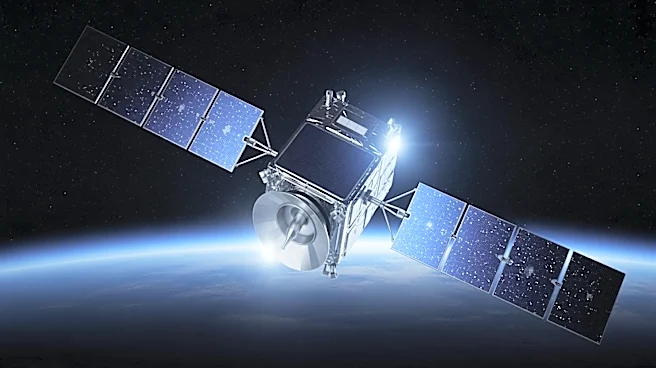
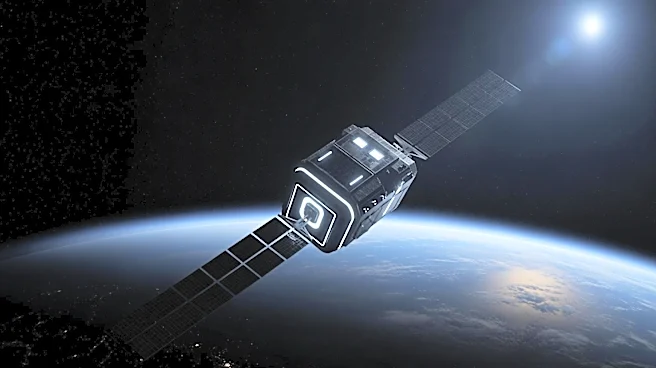
SpaceX successfully launched a classified national security mission, deploying Starshield satellites from Vandenberg Space Force Base for the National Reconnaissance Office. This mission highlights the dual-use nature of SpaceX's Starlink architecture,
which now includes over 10,650 operational satellites. Concurrently, SpaceX faces scrutiny over Chinese investment ties and speculation about a potential merger with Tesla, following Elon Musk's increased stake in the electric vehicle company. These developments occur as SpaceX navigates complex geopolitical and financial landscapes, balancing its commercial and national security roles.
Why It's Important?
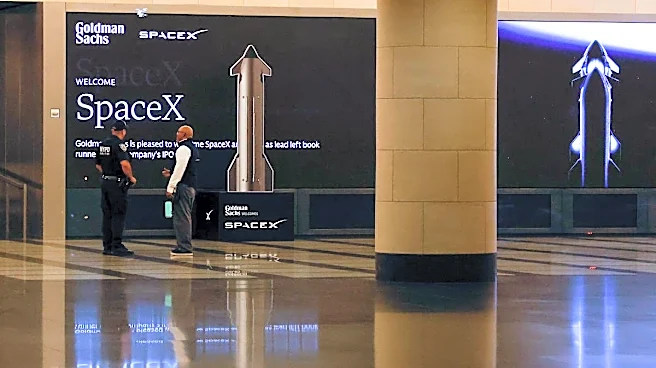
The launch of Starshield satellites underscores SpaceX's critical role in U.S. national security infrastructure, providing essential capabilities for intelligence and reconnaissance. The company's involvement with foreign investors, particularly from China, raises national security concerns, potentially complicating future IPO plans. The speculation about a Tesla-SpaceX merger could significantly impact both companies' strategic directions, affecting stakeholders across the aerospace and automotive industries. These factors highlight the intricate interplay between commercial interests and national security in the space sector.
What's Next?
SpaceX will likely face increased scrutiny from U.S. regulators and lawmakers regarding its foreign investment ties, which could influence its IPO trajectory. The company may also need to address concerns about its dual-use satellite architecture to maintain its position as a trusted national security partner. Meanwhile, the potential merger with Tesla could reshape SpaceX's business model, affecting its operational focus and financial transparency. Stakeholders will be closely monitoring these developments for their implications on the broader aerospace and technology sectors.