


What's Happening?
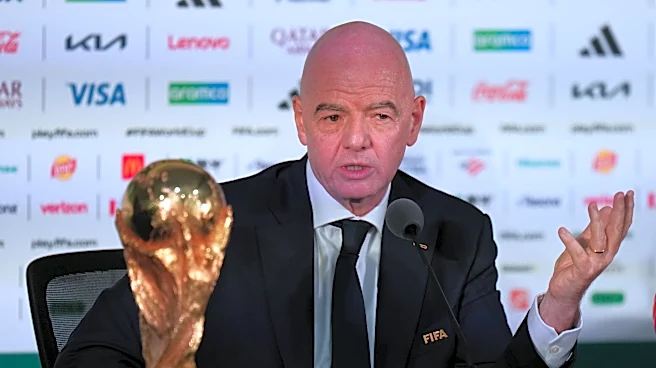
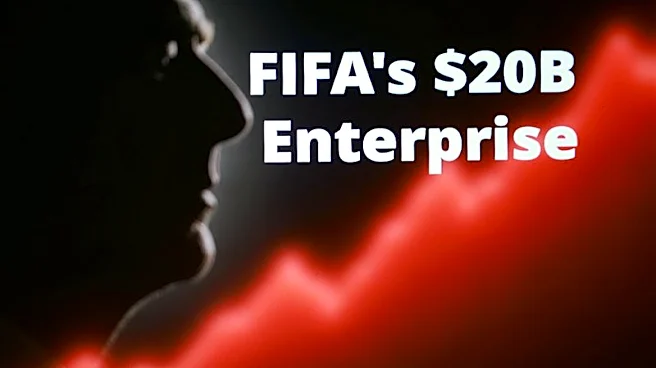
The Union of European Football Associations (UEFA) and the Confederation of North, Central America and Caribbean Association Football (Concacaf) have announced a boycott of FIFA competitions in response to FIFA's proposal to sell ownership interests in the World
Cup to private investors. UEFA's 55 member associations unanimously rejected the proposal, emphasizing that the World Cup should not be treated as an investment product. Concacaf echoed these sentiments, expressing concerns over the lack of due process and the need for private equity investment following a profitable World Cup. FIFA's proposal involves selling a minority stake in a new entity, FIFA Forward Enterprises, to manage commercial operations for events like the World Cup.
Why It's Important?
The boycott by UEFA and Concacaf represents a significant challenge to FIFA's plans, as these confederations include some of the most prominent national teams in the world. The absence of UEFA teams, which include powerhouses like France, England, and Germany, would undermine the legitimacy of any World Cup title. This standoff highlights the tension between commercial interests and the traditional values of football governance. The outcome of this dispute could reshape the future of international football competitions and influence how sports organizations balance financial growth with maintaining the integrity of the game.
What's Next?
FIFA will need to address the concerns raised by UEFA and Concacaf to move forward with its proposal. This may involve revisiting the terms of the investment plan and ensuring greater transparency and involvement of member associations in decision-making processes. The resolution of this conflict will be crucial for the future of FIFA's governance and its ability to implement new commercial strategies. Stakeholders in the football community will be closely watching how FIFA navigates this situation and whether it can reconcile the differing priorities of its member associations.