



What's Happening?
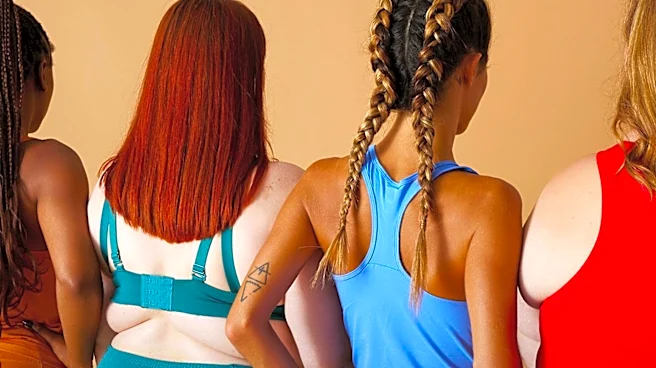
The fashion industry is reportedly retreating from its previous embrace of plus-size inclusivity, with a significant reduction in the availability of larger sizes and the representation of plus-size models on runways. H&M, for instance, has discontinued
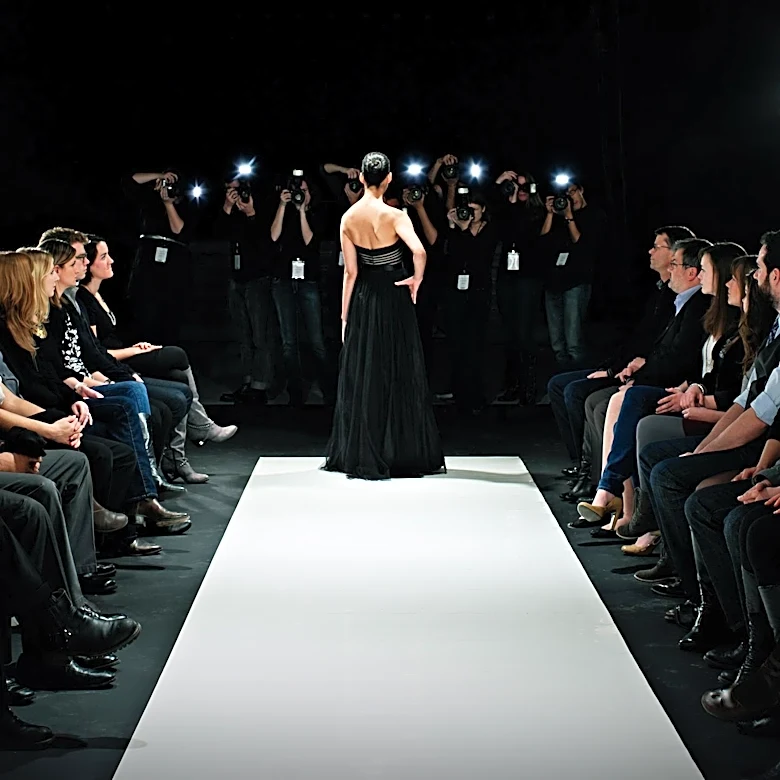
sizes 3XL and 4XL, citing lower demand. A report by Vogue Business on Spring/Summer 2027 runways found that only 0.5 percent of 9,283 looks across major fashion capitals featured plus-size models, a sharp decline from 5.1 percent two years prior. This shift coincides with the increasing use of GLP-1 weight-loss drugs like Ozempic, which are altering American waistlines and clothing purchases. An analysis by LSEG and Centric Market Intelligence indicated a 19 percent drop in online searches for plus-size dresses over two years, and an increase in discounted women's plus-size clothing. Experts like Quan Xie, an associate professor of digital advertising, suggest that brands' previous commitment to inclusivity might have been a marketing position rather than a genuine business commitment.
Why It's Important?
This trend has significant implications for U.S. consumers, particularly plus-size women, who are finding fewer options in mainstream fashion. The industry's pivot suggests that size inclusivity, once promoted as a moral imperative, is now being re-evaluated based on shifting market dynamics and profitability. This could lead to a less diverse and less representative fashion landscape, potentially alienating a large segment of the population. For businesses, the decision to reduce plus-size offerings, while commercially driven, risks damaging brand loyalty and trust among consumers who felt included. The influence of GLP-1 drugs on consumer demand highlights how medical advancements can unexpectedly reshape entire industries, forcing fashion brands to adapt to new body trends and purchasing behaviors. This also raises questions about the authenticity of corporate social responsibility initiatives when faced with economic pressures.
What's Next?
The fashion industry will likely continue to monitor the impact of GLP-1 drugs and evolving consumer body types on demand for various sizes. Brands that have reduced their plus-size offerings may face criticism for perceived hypocrisy, as noted by Quan Xie. However, some brands, like Ester Manas, have shown that inclusivity can still be profitable, with larger sizes being bestsellers. This suggests a potential market opportunity for brands willing to maintain or expand their commitment to inclusive sizing, as they could capture customers abandoned by competitors. The long-term consequences could include a more segmented market, where some brands cater exclusively to smaller sizes, while others specialize in inclusive ranges. Consumers may also see a rise in niche brands that prioritize size diversity, filling the void left by larger retailers.
Beyond the Headlines
The retreat from plus-size inclusivity in fashion exposes deeper ethical and cultural dimensions. It challenges the notion of 'body positivity' as a sustained movement within the industry, suggesting it may have been a transient trend rather than a fundamental shift in values. Renee Engeln, a psychology professor, argues that fashion's commitment to larger bodies was often performative and superficial. This development highlights the tension between commercial interests and social responsibility, questioning whether brands can genuinely champion inclusivity when it conflicts with profitability. The impact on body image and self-esteem for plus-size individuals, who were once told they belonged, could be significant, reinforcing societal pressures to conform to thinner ideals. This situation underscores the power of the fashion industry to shape cultural norms and the ethical responsibility that comes with that influence.