



What's Happening?
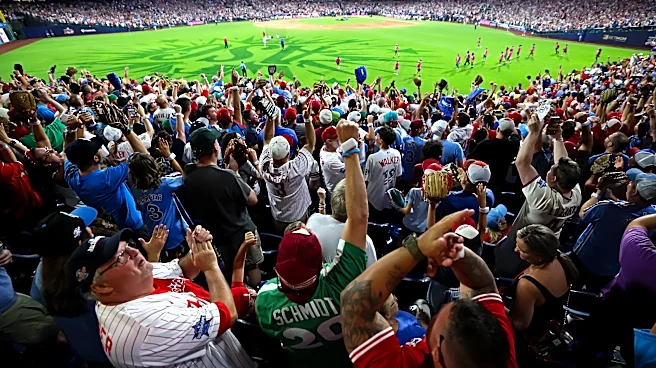
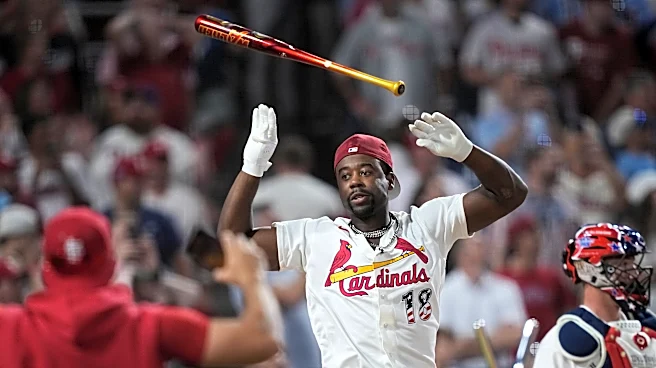
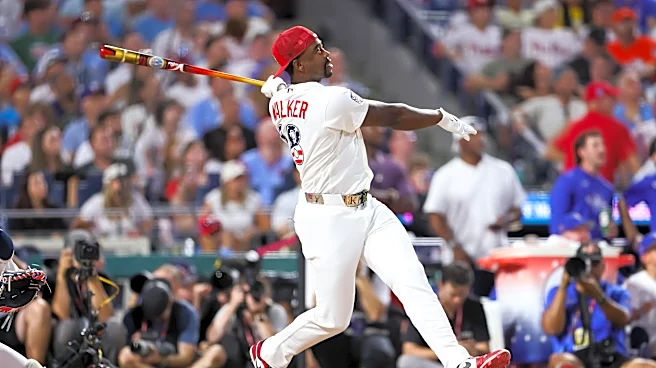
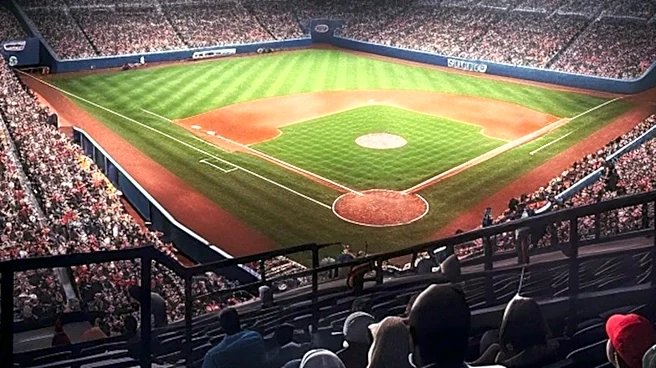
The 2026 T-Mobile Home Run Derby introduced a new format that heightened the excitement for both players and fans. Held at Citizens Bank Park in Philadelphia, the event saw the St. Louis Cardinals' Jordan Walker triumph over the Philadelphia Phillies'
Kyle Schwarber in a thrilling final round. The new format allowed each of the eight participants 20 swings in the first round and 15 swings in the semifinals and finals. If a player homered on their final swing, they could continue batting until they failed to hit a home run. This change from the previous timed format, which allowed three minutes or 40 pitches, brought back elements from pre-2015 Derbies where players swung until they recorded 10 outs. Walker, one of the youngest winners, expressed his enjoyment of the new format, which allowed him to take his time and focus on each swing.
Why It's Important?
The revamped Home Run Derby format is significant as it enhances the viewing experience by building suspense and allowing players to showcase their skills without the pressure of a ticking clock. This change could attract more fans to the event, boosting its popularity and viewership. For players, the format provides a strategic element, as they must balance power with precision to maximize their limited swings. The success of this format could influence future MLB events, encouraging the league to explore similar changes to other competitions to maintain fan engagement and excitement.
What's Next?
Following the positive reception of the new format, MLB may consider implementing similar changes in other events to enhance fan engagement. The league will likely evaluate feedback from players and fans to refine the format further. Additionally, other sports leagues might take note of MLB's success and experiment with their event formats to increase excitement and viewership. The Home Run Derby's success could also lead to increased sponsorship and media interest, further boosting the event's profile.