





What's Happening?
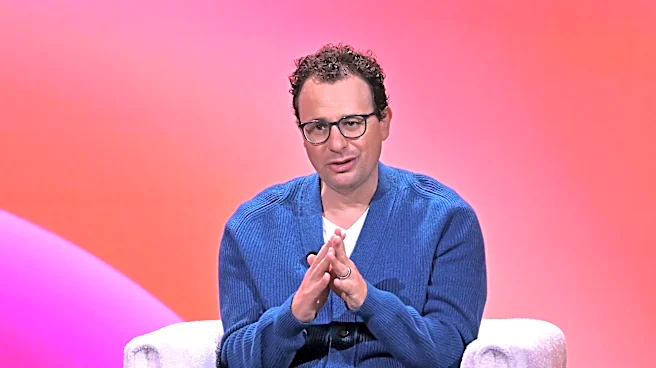
Parker Conrad, co-founder and CEO of Rippling, has definitively stated that the company has no plans to go public. This stance has evolved from earlier remarks where he indicated an IPO might be an eventual goal. In February 2024, Conrad mentioned to Forbes
Australia that an IPO was something Rippling would 'eventually' like to do. However, by May 2025, he informed CNBC that no IPO was planned in the near future. His most recent statement in June 2026 to TechCrunch was unequivocal: 'We are not going public.' Conrad elaborated that Rippling is choosing to remain private because he believes public markets pressure fast-growing companies to reduce their growth rates in favor of profitability. He noted that Rippling is still approximately two years away from achieving positive cash flow and is currently allocating a significant portion of its revenue, between 45% and 50%, to research and development. This contrasts sharply with publicly listed HR software companies like Paylocity and Paycom, which typically spend around 8% to 9% of their revenue on R&D.
Why It's Important?
Rippling's decision to remain private has significant implications for the tech industry and the broader market for initial public offerings (IPOs). In an environment where many high-growth tech companies are either going public or facing pressure to do so, Rippling's CEO is taking a contrarian view. This approach highlights a growing sentiment among some private company leaders that public markets may not always be the optimal path for companies focused on aggressive growth and long-term innovation. By prioritizing substantial investment in research and development over immediate profitability, Rippling aims to build a more robust and differentiated product. This strategy could allow Rippling to continue innovating without the quarterly earnings pressure and scrutiny from public shareholders, potentially leading to a stronger competitive position in the long run. For investors, this means that access to Rippling's equity will remain limited to private markets, impacting liquidity and investment opportunities.
What's Next?
Given CEO Parker Conrad's firm stance, Rippling is expected to continue its focus on private growth and significant investment in research and development for the foreseeable future. The company will likely continue to fund its operations through private funding rounds rather than seeking public capital. This strategy suggests that Rippling will prioritize product innovation and market expansion over achieving immediate public market profitability metrics. For employees and early investors, liquidity options will likely remain confined to company-initiated tender offers, as seen in May 2025 and 2024, where the company repurchased equity. Rippling's continued private status may also influence other high-growth private companies, potentially encouraging them to delay or reconsider their IPO plans if they share Conrad's view on the pressures of public markets. The company will likely continue to monitor its cash flow position, with positive cash flow projected in approximately two years.
Beyond the Headlines
Rippling's decision to eschew an IPO reflects a broader debate within the tech industry about the optimal path for high-growth companies. This move challenges the traditional narrative that an IPO is the ultimate goal for successful startups. By staying private, Rippling retains greater control over its strategic direction and resource allocation, particularly its substantial R&D spending. This approach could foster a culture of long-term innovation, free from the short-term demands of public market investors. However, it also means that the company foregoes the potential capital infusion and brand visibility that a public listing can provide. The ethical dimension arises in how the company manages employee equity and liquidity in the absence of a public market. While tender offers provide some liquidity, they are not as universally accessible or transparent as public trading. This strategy could also set a precedent for other private companies, potentially leading to a shift in how successful startups view their growth trajectory and eventual market presence.