







What's Happening?
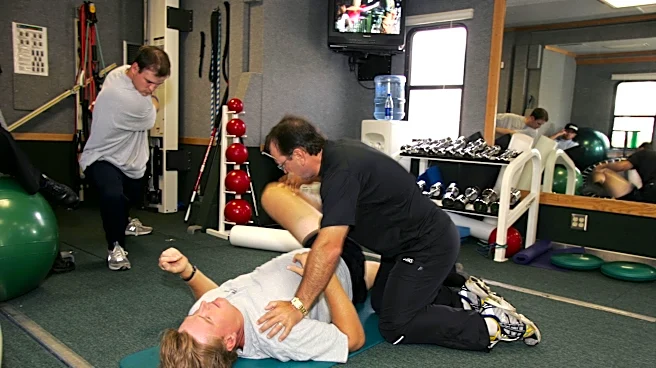
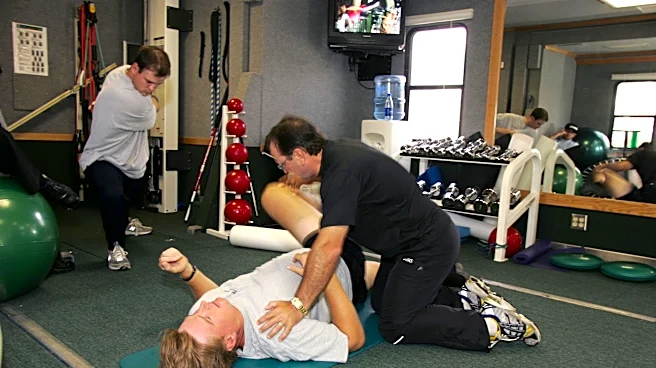
Flexibility and mobility training are crucial components of a comprehensive fitness routine, supporting overall movement quality and significantly reducing the risk of injury. This type of training encompasses activities such as yoga, which not only enhances
flexibility but also promotes mindfulness and stress reduction. Dynamic stretching is another key element, preparing the body for workouts by improving its range of motion. Regular incorporation of these exercises helps individuals maintain graceful posture and optimize physical performance. These practices are particularly vital for those in demanding roles, such as models, who need to maintain specific physical appearances and high energy levels. The focus extends beyond aesthetics to include enhanced performance and overall well-being, making these training methods applicable to a wide range of individuals seeking to improve their physical health and reduce injury susceptibility.
Why It's Important?
The emphasis on flexibility and mobility training holds significant importance for public health and individual well-being across the U.S. By reducing the risk of injury, these practices can lead to lower healthcare costs associated with musculoskeletal issues and rehabilitation. For industries requiring physical performance, such as sports, entertainment, and physically demanding labor, improved flexibility and mobility can extend careers, enhance productivity, and decrease lost workdays due to injury. Individuals stand to gain improved quality of life, better physical function in daily activities, and enhanced mental well-being through stress reduction. Conversely, those who neglect these aspects of fitness may face increased susceptibility to injuries, chronic pain, and reduced physical capacity, potentially impacting their ability to participate in work and leisure activities. The broader societal impact includes a healthier, more active population with fewer burdens on the healthcare system.
What's Next?
The growing recognition of flexibility and mobility training's benefits is likely to lead to increased integration into mainstream fitness programs and wellness initiatives. We can anticipate a rise in specialized classes and digital platforms offering yoga, dynamic stretching, and other mobility-focused exercises. Fitness professionals and healthcare providers may increasingly recommend these practices as preventative measures and for rehabilitation. Educational campaigns could also emerge to inform the public about the importance of these exercises for long-term health. Furthermore, advancements in wearable technology might offer personalized recommendations and tracking for flexibility and mobility, making these practices more accessible and tailored to individual needs. This trend suggests a shift towards a more holistic approach to fitness, prioritizing injury prevention and functional movement alongside strength and cardiovascular health.
Beyond the Headlines
Beyond the immediate benefits of injury prevention and improved physical performance, the integration of flexibility and mobility training, particularly through practices like yoga, carries deeper implications for mental and emotional well-being. The mindfulness and stress reduction aspects of yoga, for instance, address the growing concerns about mental health in the U.S. This holistic approach suggests a cultural shift towards viewing physical activity not just as a means to achieve aesthetic goals or athletic prowess, but as a tool for comprehensive health management. It highlights the interconnectedness of physical and mental states, promoting a more balanced and sustainable lifestyle. This broader perspective could influence public policy on health and wellness, encouraging programs that support both physical and mental resilience, and potentially leading to a more integrated healthcare model that values preventative and holistic practices.