




What's Happening?
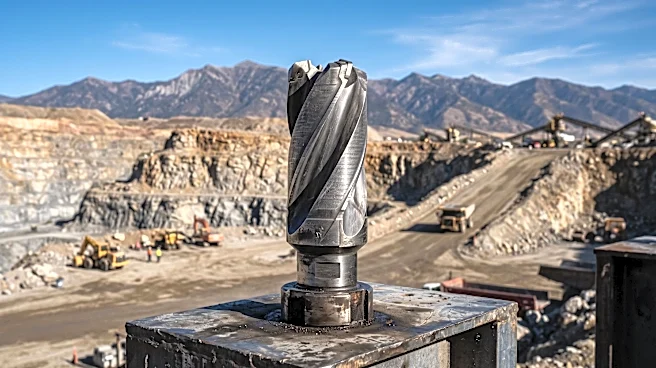
Tungsten, a critical metal used in military ammunition, cutting tools, and aerospace components, has seen its price surge by 622% between January 2025 and April 2026. This dramatic increase, reported by the International Energy Agency’s Global Critical
Minerals Outlook 2026, reflects a structural shift in how the world sources raw materials for technological and defense applications. The surge is primarily attributed to Chinese export controls colliding with firm demand. China controls the overwhelming majority of global tungsten mining and an even larger share of its refining. When Beijing tightens licensing, world markets react immediately. Tungsten's exceptional hardness, strength, and high melting point make it indispensable for various industrial and military applications.
Why It's Important?
The sixfold surge in tungsten prices and China's dominance in its refining highlight a significant vulnerability in the global supply chain for critical minerals, directly impacting U.S. military ammunition production and defense capabilities. This concentration of refining capacity in one country creates geopolitical leverage, allowing China to influence global markets and potentially disrupt supplies crucial for national security. For the U.S. defense industry, this means increased costs for essential components and a heightened risk of supply interruptions, which could affect the production and availability of military ammunition and advanced weaponry. The situation underscores the urgent need for the U.S. and its allies to diversify their sources and processing capabilities for critical minerals to ensure supply chain resilience.
What's Next?
The U.S. government and defense sector are expected to intensify efforts to secure alternative sources and develop domestic processing capabilities for critical minerals like tungsten. Initiatives such as Project Vault, which aims to build American strategic mineral reserves and diversify supply away from China, will likely gain further momentum. This could involve investments in mining, refining, and manufacturing facilities within the U.S. and allied countries. There may also be increased collaboration with international partners to establish more resilient and diversified supply chains. The long-term goal is to reduce dependence on single-country suppliers and mitigate the risks associated with geopolitical tensions affecting critical mineral availability.
Beyond the Headlines
The tungsten price surge and the broader issue of critical mineral supply chain vulnerabilities have profound implications beyond immediate defense needs. This situation highlights the economic weaponization of essential resources and the strategic importance of controlling key industrial inputs. It could lead to a global re-evaluation of resource nationalism and the development of new international agreements or alliances focused on securing critical mineral supplies. Environmentally, the push for diversified mining and processing could raise concerns about sustainable practices and the ecological impact of increased extraction. Culturally, it may foster a greater awareness of the hidden dependencies within modern industrial economies and the geopolitical significance of raw materials.