




What's Happening?
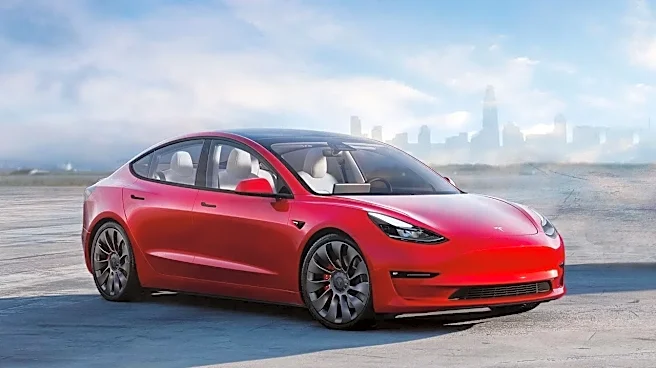
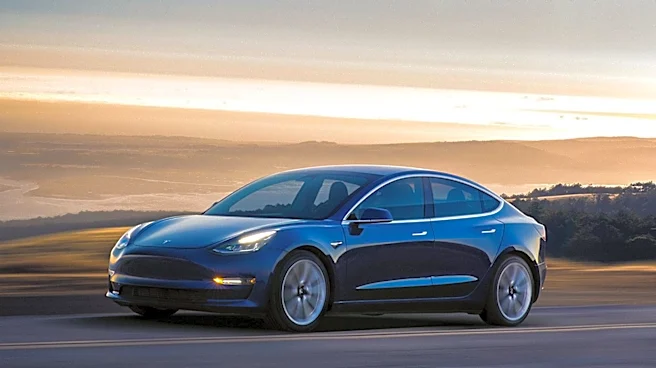
Tesla reported a negative cash flow for the first time since Q2 2024, despite achieving record revenue and deliveries in Q2 2026. The company's revenue increased by 25.5% to $28.2 billion, driven by a 25% rise in vehicle deliveries, totaling over 480,000
units. However, the substantial increase in research and development spending on AI technologies has flattened both EBIT and net profit. This financial strain highlights the impact of Tesla's aggressive investment in AI, which is aimed at advancing its autonomous vehicle capabilities.
Why It's Important?
Tesla's negative cash flow, despite strong revenue growth, signals the financial challenges associated with heavy investment in AI. This development is significant as it reflects the broader industry trend of prioritizing AI advancements, which require substantial capital. The financial strain could affect Tesla's ability to maintain its competitive edge in the rapidly evolving automotive and tech sectors. Investors and stakeholders may become cautious, reassessing the balance between innovation and financial stability. Tesla's situation underscores the potential risks and rewards of investing heavily in AI, influencing future investment strategies in the industry.
What's Next?
Tesla may need to reassess its investment strategy to ensure financial stability while continuing to innovate. The company might explore alternative funding sources or partnerships to support its AI initiatives without compromising cash flow. Investors will likely scrutinize Tesla's financial performance in upcoming quarters to gauge the effectiveness of its investment strategy. The outcome of Tesla's AI investments could set a precedent for other companies in the automotive and tech industries, influencing their approach to balancing innovation with financial health.