







What's Happening?
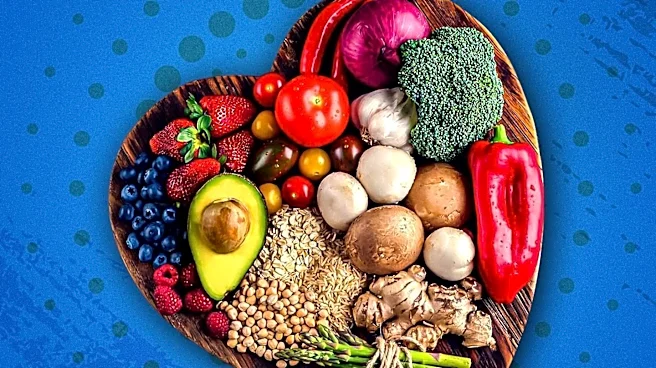
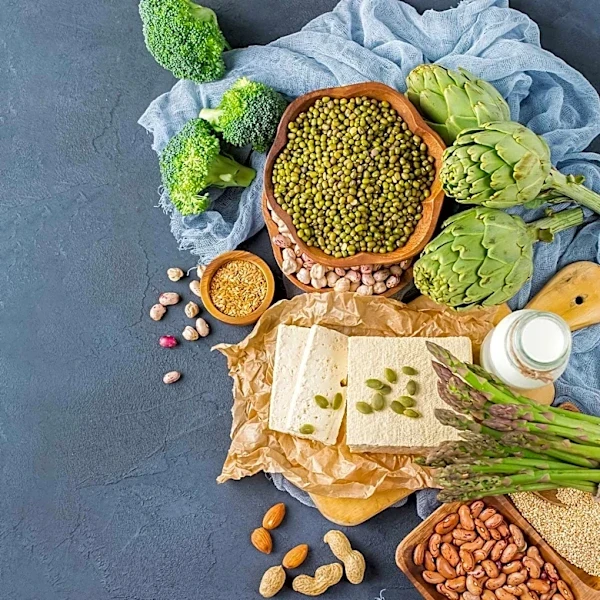
Health experts are emphasizing the importance of specific dietary practices for older adults to maintain health and prevent age-related issues. Registered dietician nutritionist Kathleen Garcia-Benson highlights the necessity of fiber for digestive health and reducing
colon cancer risk. Courtney Pelitera, another registered dietician, stresses the importance of protein intake to combat sarcopenia, the age-related loss of muscle mass. Additionally, Annette Snyder points out the common deficiency of vitamin D in seniors, which is crucial for muscle and bone health. The advice includes consuming foods rich in these nutrients and maintaining hydration, as older adults often experience diminished thirst signals.
Why It's Important?
As the U.S. population ages, maintaining health and independence becomes increasingly important. Proper nutrition can significantly impact the quality of life for seniors, reducing healthcare costs and improving longevity. By focusing on fiber, protein, and vitamin D, older adults can mitigate common health issues such as muscle loss, digestive problems, and bone fragility. This guidance not only benefits individuals but also alleviates the broader healthcare system by potentially reducing the incidence of chronic diseases and hospitalizations among the elderly.
What's Next?
Healthcare providers may increase efforts to educate seniors on nutritional needs and encourage regular health screenings to monitor nutrient levels. There could be a push for policy changes to improve access to nutrient-rich foods and supplements for older adults, particularly those in underserved communities. Additionally, public health campaigns might focus on raising awareness about the importance of hydration and balanced diets in aging populations.