








What's Happening?
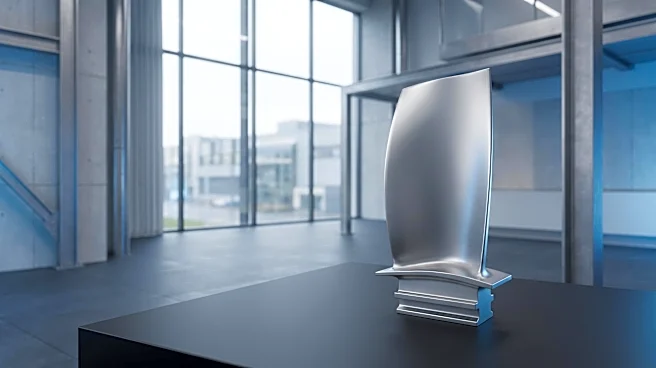
GE Aerospace has announced its acquisition of Consolidated Precision Products (CPP) for $11.75 billion from private equity firms Warburg Pincus and Berkshire Partners. This strategic move aims to address the growing demand for mission-critical casting
capacity across commercial engines, aftermarket services, and defense programs. CPP, headquartered in Cleveland, Ohio, is a major supplier of engineered castings and sub-assemblies for commercial and military aircraft, weapon systems, jets, helicopters, and industrial gas turbines. The company, founded in 1991, employs approximately 6,600 people across more than 20 facilities and specializes in complex super alloy, titanium, aluminum, magnesium, and steel cast components. GE Aerospace has been a customer of CPP for over fifteen years. The transaction is valued at approximately 18 times CPP's projected 2027 EBITDA, including synergies, and 26 times without synergies. GE Aerospace plans to fund $7 billion of the purchase price with cash, with the remainder financed through new debt issuance.
Why It's Important?
This acquisition is crucial for GE Aerospace as it seeks to strengthen its supply chain and meet the increasing global demand for aerospace components. By integrating CPP's manufacturing expertise with its own technological capabilities, GE Aerospace expects to significantly expand its casting capacity, improve performance, and accelerate the development of new engine technologies. This move will help mitigate potential bottlenecks in production, ensuring a more stable and efficient supply of critical parts for both its commercial and defense sectors. The deal also highlights the ongoing consolidation within the aerospace manufacturing industry as companies strive for greater control over their supply chains and seek to enhance their competitive edge. For the U.S. aerospace and defense industries, this acquisition could lead to more robust domestic production capabilities and potentially reduce reliance on foreign suppliers for essential components, thereby bolstering national security interests.
What's Next?
The acquisition is anticipated to close in the second half of 2027, pending regulatory approvals and other customary closing conditions. Following the closure, GE Aerospace expects the transaction to be accretive to its adjusted earnings per share and free cash flow in the first year. The company has stated that its capital allocation plans will remain unchanged as a result of this deal. The integration of CPP into GE Aerospace will likely involve a strategic alignment of manufacturing processes and technological development to maximize synergies and achieve the stated goals of increased capacity and accelerated innovation. Industry observers will be watching to see how this integration impacts GE Aerospace's market position and its ability to deliver on its commitments to customers in the commercial and defense sectors. The long-term success of this acquisition will depend on effective post-merger integration and the realization of anticipated synergies.
Beyond the Headlines
Beyond the immediate financial and operational benefits, this acquisition underscores a broader trend in the aerospace industry towards vertical integration and securing critical manufacturing capabilities. The emphasis on 'mission-critical casting capacity' reflects the strategic importance of these specialized components, which are essential for the performance and safety of modern aircraft and defense systems. The deal could also set a precedent for other major aerospace players to pursue similar acquisitions to de-risk their supply chains and gain greater control over key manufacturing processes. Furthermore, the focus on accelerating new engine technologies suggests a long-term vision for innovation and sustainability within the aerospace sector, potentially leading to advancements in fuel efficiency and reduced environmental impact. The acquisition's impact on the broader U.S. manufacturing landscape, particularly in specialized areas like advanced casting, will be a key area to monitor.