





What's Happening?
Artificial intelligence and automation are emerging as crucial technologies for revitalizing U.S. manufacturing, particularly in industries like apparel, and facilitating onshoring efforts. Experts at the Fashion Tech Show in Los Angeles highlighted that
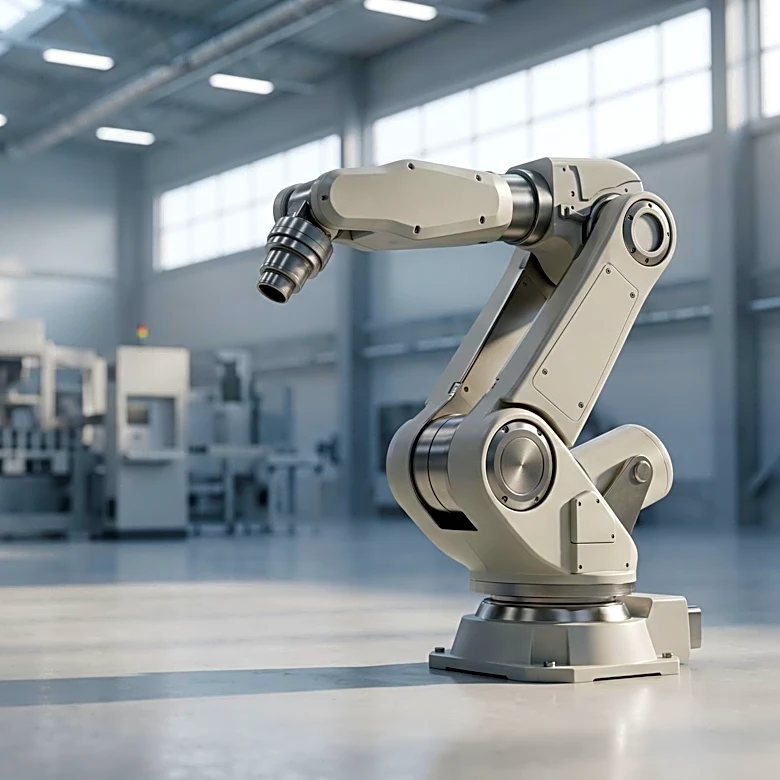
traditional overseas manufacturing models, characterized by long lead times and high labor costs when replicated domestically, are unsustainable. Companies like CreateMe are leveraging AI robotics to automate production processes, replacing conventional methods with digital adhesives for faster, localized, and on-demand manufacturing. This technological leap aims to mitigate issues such as overproduction, underproduction, and the degradation of economic value due to extended supply chains. Generative AI is also accelerating product conceptualization, allowing designers to rapidly iterate on ideas, while AI agents help identify market demand for products, enabling smaller, more responsive production runs.
Why It's Important?
The integration of AI and automation into U.S. manufacturing holds significant importance for the national economy and supply chain resilience. By enabling localized, on-demand production, these technologies can drastically reduce lead times, making U.S. businesses more responsive to market trends and consumer demands. This shift can lead to a reduction in inventory waste from overproduction and an increase in revenue by meeting demand more efficiently. For industries like fashion, which currently face 19-month lead times and reliance on offshore materials, AI and automation offer a pathway to greater self-sufficiency and reduced vulnerability to global supply chain disruptions. While challenges remain, particularly concerning the domestic availability of raw materials and the capital-intensive nature of adopting new technologies, the potential for creating 'dark factories' that operate 24/7 with minimal human intervention could make U.S. manufacturing competitive on a global scale, especially for mass-market goods.
What's Next?
The immediate future will likely see continued investment in AI robotics and automation technologies within U.S. manufacturing sectors, particularly in areas where labor costs are high and efficiency gains are critical. Companies will need to address the existing gaps in the domestic supply chain for raw materials, potentially through strategic partnerships or government incentives to foster local production. The adoption of advanced manufacturing techniques like 3D knitting, 3D bonding, and 3D printing will become more widespread, transforming production processes. While luxury markets can absorb higher U.S. labor costs, the mass market will increasingly rely on automation to achieve scalability and competitive pricing. The focus will be on 'leapfrogging' to future manufacturing models rather than attempting to replicate outdated offshore factory systems. This will require significant capital investment and a willingness to innovate, with the potential to capture a substantial portion of currently imported goods domestically.
Beyond the Headlines
Beyond the economic and logistical benefits, the widespread adoption of AI and automation in U.S. manufacturing could have profound societal implications. It could lead to a resurgence of domestic manufacturing jobs, albeit with a different skill set requirement, focusing on technology management, maintenance, and design rather than manual labor. This shift could also contribute to environmental sustainability by reducing the carbon footprint associated with long-distance shipping and potentially enabling more efficient use of resources. However, it also raises questions about the equitable distribution of these new jobs and the need for workforce retraining programs to ensure a smooth transition. The concept of 'dark factories' operating autonomously could also spark debates about the role of human labor in future economies and the ethical considerations of highly automated production systems. Ultimately, this technological transformation could redefine the identity of U.S. manufacturing, moving it towards a high-tech, innovation-driven model.