

What's Happening?
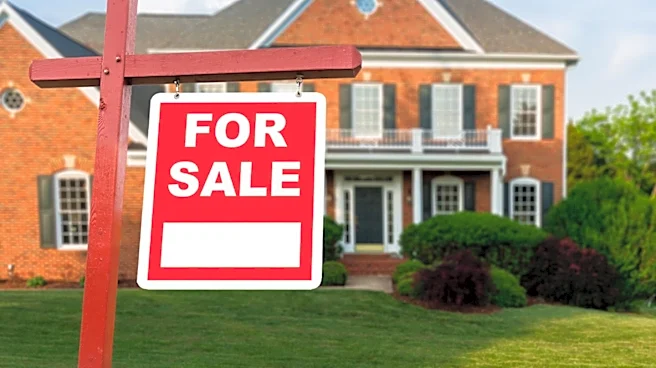
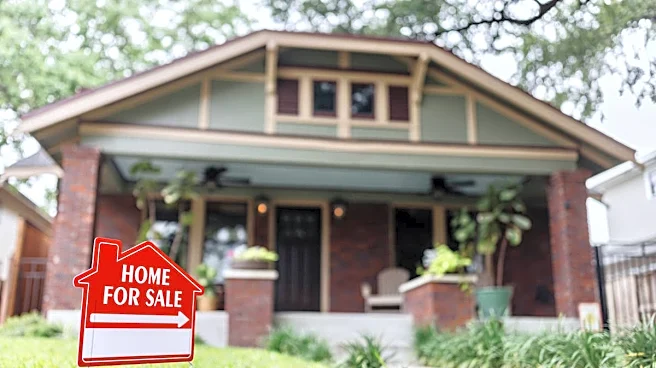
Mortgage rates in the U.S. have reached their highest level in over a year, with the average 30-year fixed-rate climbing to 6.81%. This increase has led to a decline in demand for home loans, exacerbating affordability issues for potential homebuyers.
The rise in rates is attributed to ongoing geopolitical tensions and economic uncertainty. As a result, a two-tier housing market is emerging, where cash buyers and foreign investors have a significant advantage over those reliant on mortgages.
Why It's Important?
The surge in mortgage rates is deepening the divide between cash buyers and those dependent on financing, impacting the accessibility of homeownership for many Americans. First-time buyers, in particular, are facing increased challenges as they struggle with rising costs and limited access to affordable housing. The situation highlights the broader economic disparities in the housing market, where wealthier individuals and foreign investors can capitalize on current conditions, while others are sidelined. This trend could have long-term implications for housing equity and market stability.
What's Next?
The Federal Reserve's future decisions on interest rates will be closely watched, as any changes could further influence mortgage rates and housing market dynamics. Policymakers may need to consider measures to support first-time buyers and address the growing affordability crisis. The housing market's response to these challenges will be critical in determining the accessibility of homeownership and the overall health of the real estate sector.