







What's Happening?
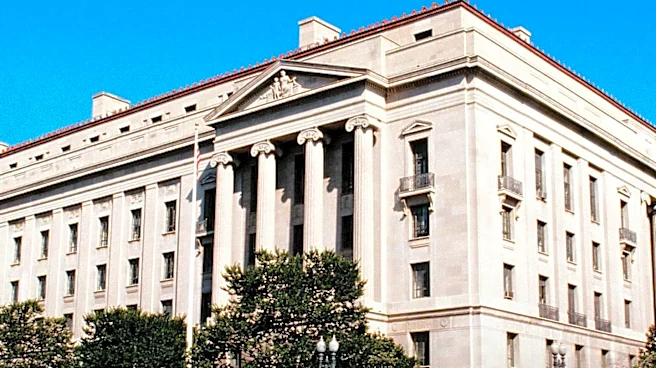
Skadden, Arps, Slate, Meagher & Flom LLP represented the Retail Industry Leaders Association (RILA) in submitting comments to the Federal Trade Commission (FTC). This submission is in response to the FTC’s Request for Public Comment on its Proposed Enforcement
Policy on Personalized Pricing. RILA, through Skadden, expressed concerns that the FTC's proposed policy could deter retailers from utilizing loyalty programs and personalized promotions, which are designed to offer lower prices to consumers. The association also highlighted that the proposal deviates significantly from the FTC’s established Section 5 deception standards, potentially leading to ambiguous disclosures and an increase in unwarranted litigation. The Skadden team involved in this effort included Meredith Slawe, Michael McTigue Jr., Karen Lent, Michael Menitove, Sammuel Auld, Margaret Krawiec, Darren Welch, William Ridgway, Todd Kelly, Lisa V. Zivkovic, Anna Drootin, and Anaximander Mars.
Why It's Important?
This development is significant for the U.S. retail industry and consumers alike. The FTC's proposed policy on personalized pricing could reshape how retailers engage with customers through loyalty programs and targeted promotions. If implemented as proposed, it might limit retailers' ability to offer customized discounts, potentially impacting consumer savings and competitive pricing strategies. For businesses, particularly those heavily reliant on data analytics for marketing and sales, the policy could necessitate substantial changes to their operational models and legal compliance frameworks. The potential for increased litigation, as suggested by RILA, could also lead to higher operational costs for retailers, which might ultimately be passed on to consumers. The outcome of this policy debate will influence the future of data-driven commerce and consumer privacy in the U.S.
What's Next?
The next step involves the FTC's review of all public comments, including those submitted by RILA through Skadden, Arps, Slate, Meagher & Flom LLP. Following this review, the FTC will likely consider modifications to its proposed enforcement policy on personalized pricing. Retailers and industry associations will be closely monitoring the FTC's decision, as it will dictate the regulatory landscape for data-driven pricing strategies. Depending on the final policy, businesses may need to adjust their marketing and pricing practices to ensure compliance. There could also be further advocacy efforts from industry groups if the final policy is perceived as overly restrictive or detrimental to procompetitive practices. The legal and business communities will be preparing for potential changes in compliance requirements and enforcement actions.
Beyond the Headlines
Beyond the immediate regulatory implications, this issue touches upon broader themes of consumer data privacy, algorithmic transparency, and the balance between consumer protection and business innovation. The debate over personalized pricing highlights the increasing complexity of regulating digital markets where data plays a central role. While personalized pricing can offer benefits like tailored discounts, it also raises concerns about potential discrimination or unfair practices if not transparently managed. The FTC's approach could set a precedent for how regulatory bodies address the ethical and economic dimensions of data utilization in various sectors. This ongoing discussion will likely influence future legislative efforts and public discourse regarding the use of artificial intelligence and data analytics in commercial activities, emphasizing the need for policies that foster both innovation and equitable consumer treatment.