




What's Happening?
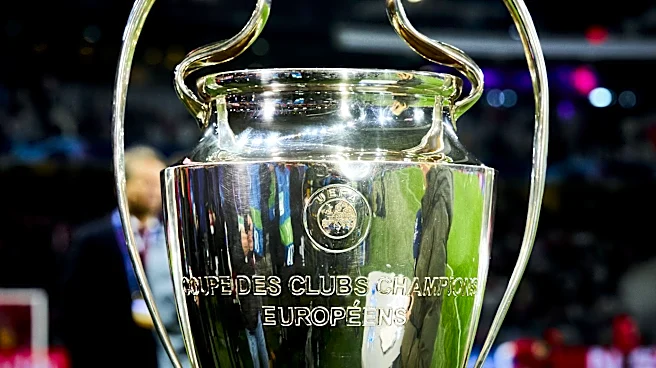
On November 16, 2026, the 140-member Union of European Clubs (UEC) filed a complaint with the European Commission in Brussels, alleging anti-competitive business practices against UEFA and the European Football Clubs (EFC) group. The UEC argues that UEFA's
legal working agreement with the EFC, which extends through 2033 and is led by Paris Saint-Germain president Nasser al-Khelaifi, grants the EFC exclusive access to UEFA. This exclusive access allows the EFC to negotiate competition entries and the allocation of billions of euros in prize money, which the UEC claims is detrimental to competitive balance and unfairly benefits a small circle of prominent clubs in the Champions League. The UEC's complaint echoes arguments made by European Super League clubs in a successful 2023 ruling against UEFA and FIFA at the European Court of Justice. Miguel Maduro, an independent governance expert and adviser to the UEC, stated that the case aims to use European competition law to safeguard the European sports model of genuinely open and balanced competitions. This marks the second soccer-related filing with the European Commission, following a 2024 complaint by the European Leagues group and FIFPRO's Europe division against FIFA, which was later withdrawn after an agreement.
Why It's Important?
This complaint has significant implications for the competitive landscape and financial distribution within European football, which can indirectly affect U.S. soccer interests. The UEC's challenge to UEFA's agreement with the EFC highlights a fundamental tension between established elite clubs and smaller, lower-ranked teams regarding access to resources and decision-making power. If the European Commission finds in favor of the UEC, it could lead to a restructuring of how UEFA manages its competitions and allocates prize money, potentially fostering greater competitive balance. For U.S. investors and entities involved in European football, such as club ownership or sponsorship, these changes could alter the financial dynamics and investment attractiveness of various clubs. Furthermore, the precedent set by this case could influence how sports governance bodies globally, including those with U.S. ties, are scrutinized under anti-competition laws, potentially leading to calls for more equitable structures in other sports leagues and organizations.
What's Next?
The European Commission will now review the complaint filed by the Union of European Clubs. This process could involve a lengthy investigation into UEFA's practices and its agreement with the European Football Clubs group. Depending on the Commission's findings, UEFA may be compelled to modify its operational agreements and financial distribution models to address concerns about anti-competitive behavior. The outcome could lead to significant reforms in how European club competitions are structured and how revenues are shared among clubs. This legal challenge also sets a precedent for other sports organizations facing similar accusations of monopolistic practices. Major stakeholders, including UEFA, the EFC, and the UEC, will likely engage in legal and lobbying efforts to defend their positions, potentially leading to a protracted dispute with far-reaching consequences for the future of European football governance.
Beyond the Headlines
This dispute delves into the core philosophical debate about the nature of professional sports: whether it should prioritize open competition and meritocracy or protect the interests of established, financially powerful entities. The UEC's argument for a 'genuinely open and balanced' European sports model challenges the current structure, which they perceive as creating a closed system benefiting a few elite clubs. This legal battle could force a re-evaluation of the 'European sports model' itself, potentially leading to a more equitable distribution of wealth and opportunities across all levels of football. It also raises questions about the role of regulatory bodies like the European Commission in overseeing the commercial practices of sports organizations, highlighting the increasing intersection of sports, business, and competition law. The long-term implications could include a more democratized governance structure in European football, impacting everything from player development to fan engagement.