








What's Happening?
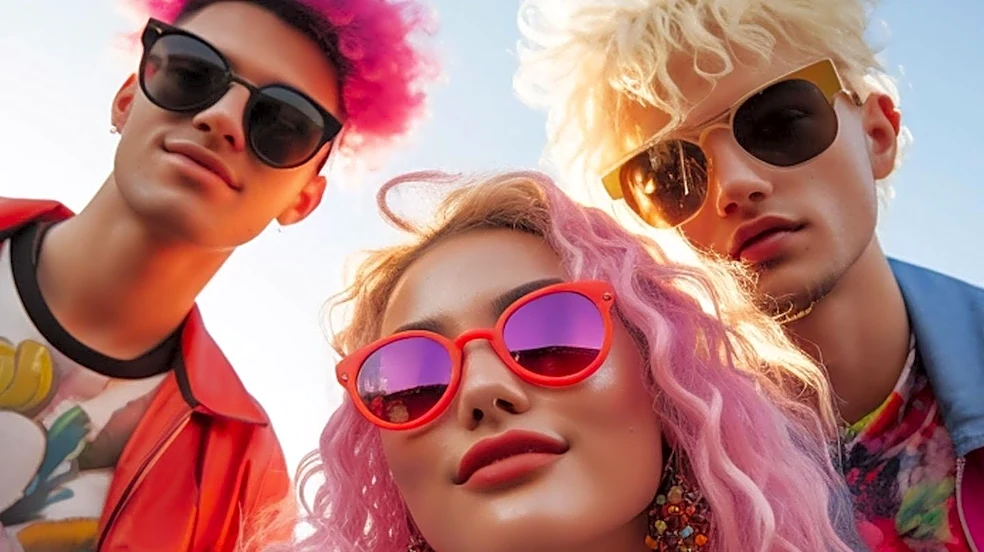
Influencer culture is increasingly transforming ordinary habits and behaviors into viral trends, often repackaging simple actions with celebrity branding. This phenomenon is evident in instances like 'Gigi Hadid Pasta,' which was a basic ziti with vodka
sauce, and the 'Sofia Richie slick-back' hairstyle, a standard ponytail. Social media users, particularly Gen Z, are quick to adopt and promote these 'trends,' often attributing groundbreaking innovation to routine activities when performed by influencers. This trend extends to concepts like the 'hot girl walk,' a simple outdoor stroll that was trademarked by TikTok creator Mia Lind, leading to cease-and-desist letters for others using the phrase. The article highlights a concern that this culture suppresses originality and commodifies everyday life, turning basic self-care or eating habits into 'chic' statements.
Why It's Important?
This trend has significant implications for U.S. society, particularly concerning consumer behavior, marketing, and the perception of originality among younger generations. The commodification of everyday habits by influencers creates a new form of consumerism where individuals are encouraged to purchase products or adopt specific lifestyles to emulate perceived 'trends.' This can lead to increased spending on unnecessary items or services, driven by social media validation rather than genuine need. For businesses, understanding this dynamic is crucial for marketing strategies, as influencer endorsements can rapidly popularize products, even if they are not genuinely innovative. However, it also raises ethical questions about the authenticity of marketing and the potential for manipulation of consumer desires. The suppression of originality among Gen Z, as suggested by the article, could impact creativity and independent thought, fostering a culture of imitation rather than genuine innovation.
What's Next?
The trajectory of influencer culture suggests a continued expansion of its influence into various aspects of daily life. We can anticipate more everyday activities being rebranded and marketed as 'trends,' potentially leading to further commodification of personal habits. Social media platforms may continue to evolve their algorithms to prioritize content that generates viral trends, further entrenching this behavior. There might be increased scrutiny from consumers and media watchdogs regarding the authenticity and ethical implications of influencer marketing, potentially leading to new regulations or industry standards. Additionally, a counter-movement advocating for genuine originality and a rejection of superficial trends could emerge, particularly among those who feel alienated by the current influencer-driven landscape. This could manifest in a renewed appreciation for authentic experiences and products not tied to viral fame.
Beyond the Headlines
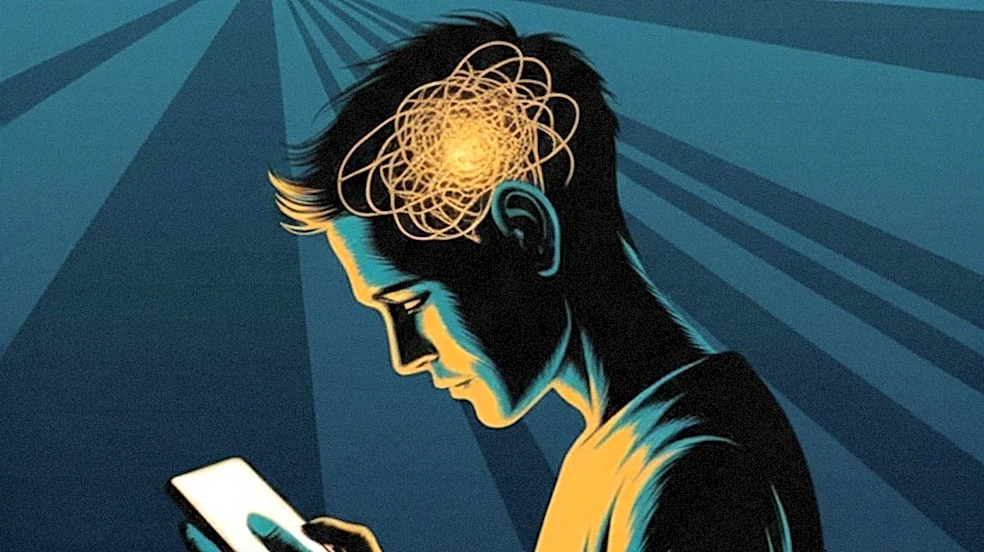
Beyond the immediate commercial and social impacts, the phenomenon of influencer-driven trends raises deeper questions about identity, self-worth, and the nature of authenticity in the digital age. When basic actions are validated only through influencer endorsement, it can create a sense that one's own experiences are not 'enough' unless they are curated and presented in a 'trendy' way. This constant pursuit of external validation can erode individual self-esteem and foster a culture of comparison. The article implicitly touches on the psychological toll of living 'inside a hashtag,' where personal life becomes a performance for an online audience. This could lead to increased anxiety, mental health challenges, and a diminished capacity for genuine self-expression, as individuals prioritize fitting into predefined trends over developing their unique identities.