



What's Happening?
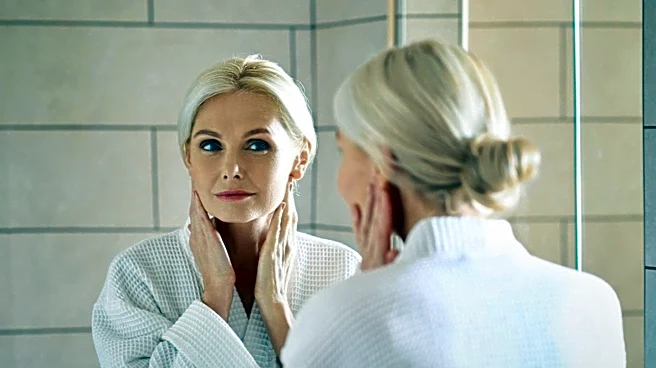
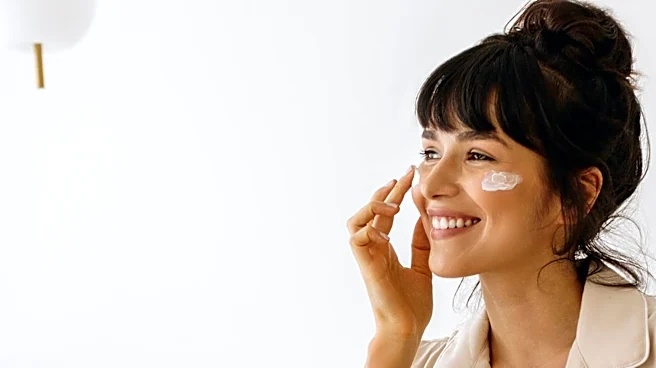
Women in their 30s are experiencing significant changes in their skin, prompting a shift towards more simplified yet effective skincare routines. As collagen production slows and cell turnover decreases from the late 20s, individuals are noticing combination
skin, increased dryness, and the appearance of fine lines and dark spots due to accumulated sun exposure. This has led to a reevaluation of skincare practices, moving away from the aggressive treatments popular in previous decades. The focus is now on gentle products, strategic use of active ingredients, and consistent sun protection. Many are finding that a less-is-more approach, centered around cleansing, treating, and moisturizing, is more sustainable and beneficial for their changing skin needs. Personal experiences highlight the importance of listening to one's skin and adjusting routines accordingly, rather than blindly following every new trend.
Why It's Important?
This evolving approach to skincare for women in their 30s reflects a broader trend in the beauty industry towards personalized and mindful consumption. It underscores a growing awareness of skin health beyond superficial concerns, emphasizing long-term care and protection. For the beauty industry, this means a potential shift in product development and marketing, with a greater focus on gentle, effective ingredients and simplified routines rather than complex, multi-step regimens. Consumers are becoming more discerning, prioritizing products that offer tangible benefits and align with their changing skin physiology. This trend also highlights the importance of sun protection as a critical anti-aging measure, potentially boosting demand for broad-spectrum sunscreens and related products. Furthermore, it encourages a more realistic and less-pressured view of beauty, moving away from the pursuit of 'perfection' towards maintaining healthy, resilient skin.
What's Next?
The beauty industry is likely to continue adapting to these evolving consumer preferences by developing more targeted and gentle skincare solutions for specific age groups. We can anticipate an increase in products featuring ingredients known for their efficacy in addressing concerns like collagen loss, uneven skin tone, and dryness, such as Vitamin C and certain retinoids, but formulated for sensitive skin. There may also be a greater emphasis on educational campaigns promoting the benefits of consistent, simple routines and daily sun protection. Dermatologists and skincare experts will play an increasingly vital role in guiding consumers through these changes, advocating for evidence-based practices over fleeting trends. Additionally, the market for professional treatments, such as injectables and radiofrequency therapies, may see continued growth as individuals seek complementary solutions for anti-aging benefits.
Beyond the Headlines
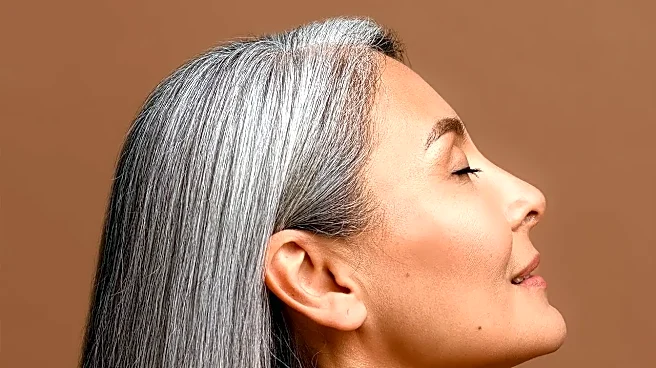
The shift in skincare routines for women in their 30s also reflects a deeper cultural movement towards authenticity and self-acceptance. It challenges the long-standing societal pressure to appear perpetually youthful, instead promoting a more holistic view of aging gracefully. This trend encourages individuals to embrace their natural skin changes while actively caring for their health. It also highlights the impact of past beauty standards, such as the 'harsher is better' mentality of the 90s, and how scientific advancements and increased consumer knowledge are reshaping these perceptions. The emphasis on simplicity and listening to one's body can extend beyond skincare, influencing broader lifestyle choices and promoting a more balanced approach to well-being. This evolution suggests a move towards a more empowered consumer who prioritizes health and well-being over unrealistic beauty ideals.