






What's Happening?
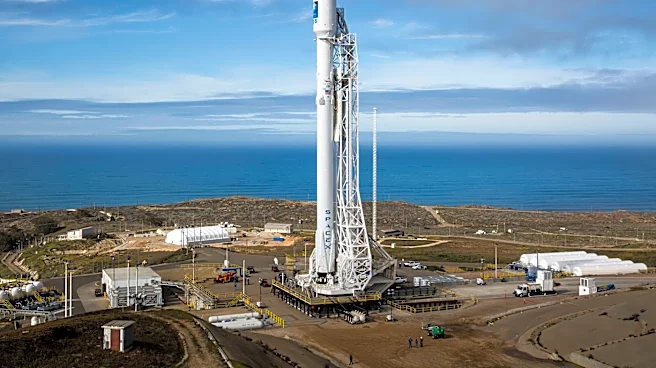
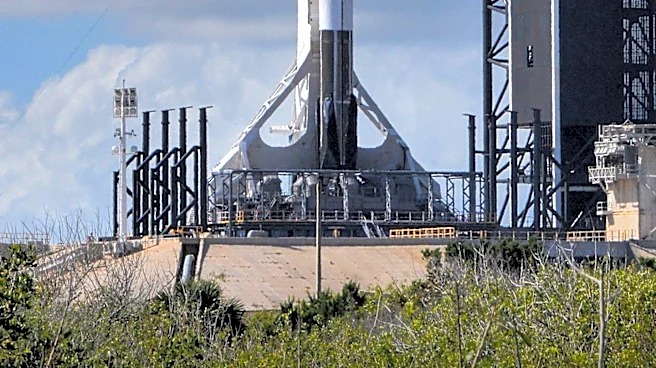
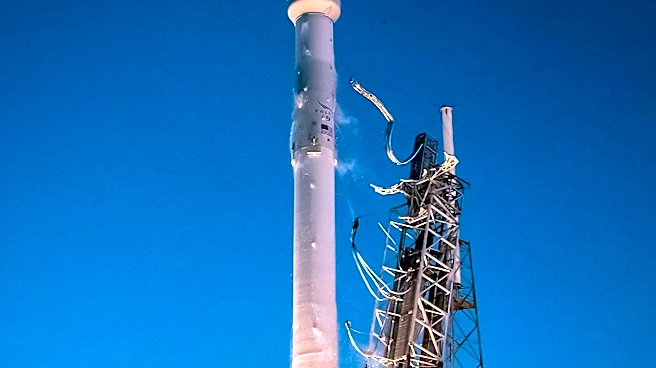
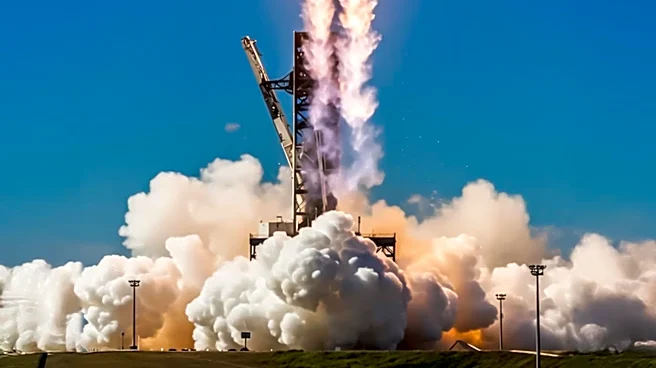
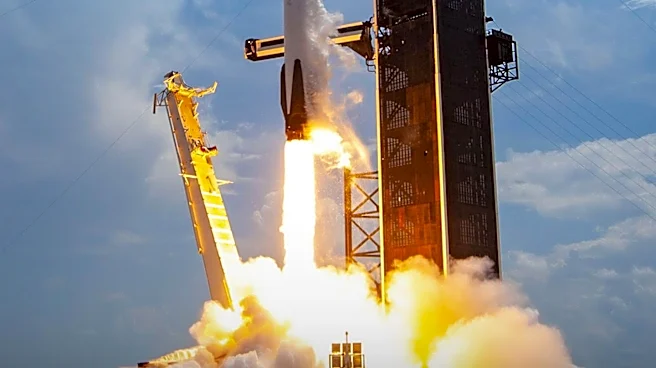
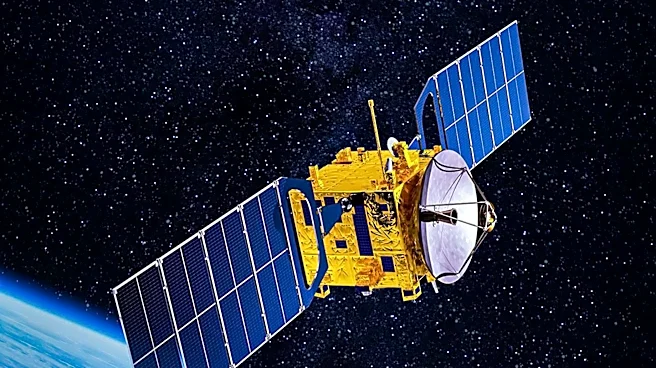
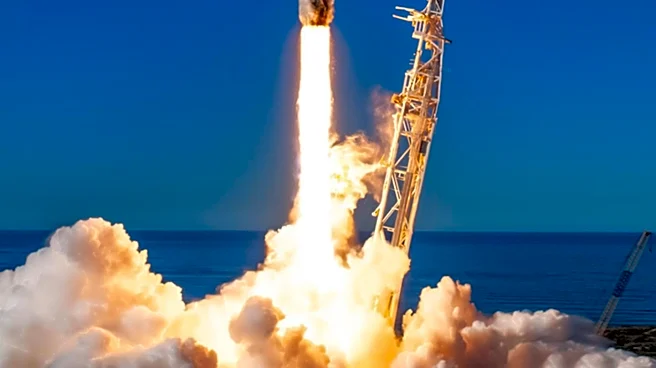
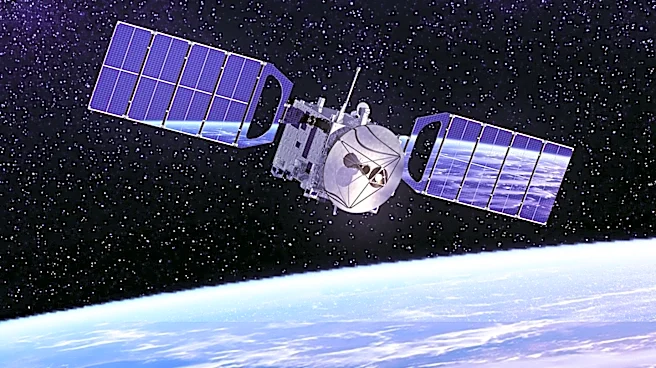
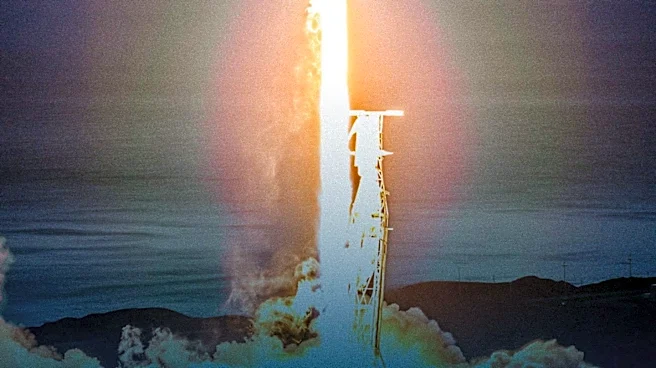
On June 28, 2026, SpaceX's Falcon 9 rocket successfully launched a 15,400-pound SiriusXM broadcasting satellite, designated SXM-11, from Cape Canaveral. This marked the seventeenth flight for the Falcon 9 first stage booster, B1085, which has been reused
multiple times since its first launch in 2024. The booster successfully landed on a drone ship in the Atlantic Ocean, continuing SpaceX's streak of successful landings. The SXM-11 satellite will join SiriusXM's fleet in geosynchronous orbit, replacing older satellites and ensuring continued satellite radio service across North America.
Why It's Important?
The successful launch and landing of the Falcon 9 booster highlight SpaceX's continued leadership in reusable rocket technology, which significantly reduces the cost of space launches. This mission underscores the importance of geosynchronous satellites for companies like SiriusXM, which rely on them to provide uninterrupted service to their subscribers, particularly in areas where terrestrial signals are weak. The ability to reuse rockets efficiently also positions SpaceX as a dominant player in the commercial space industry, offering more frequent and cost-effective launch options for various payloads.
What's Next?
Following this mission, the Falcon 9 booster will undergo inspection and refurbishment in preparation for its next flight. SpaceX plans to continue its high launch cadence, with more Starlink missions and other commercial payloads scheduled. SiriusXM is also preparing for the launch of its next satellite, SXM-12, which will further enhance its broadcasting capabilities. The ongoing success of SpaceX's reusable rocket program is likely to influence the broader space industry, encouraging other companies to adopt similar technologies.