







What's Happening?
Publix, the Florida-based supermarket chain, has removed the traditional 10-item limit from its express checkout lanes. This change is aimed at providing store employees with greater flexibility in managing customer flow and reducing wait times. Signs
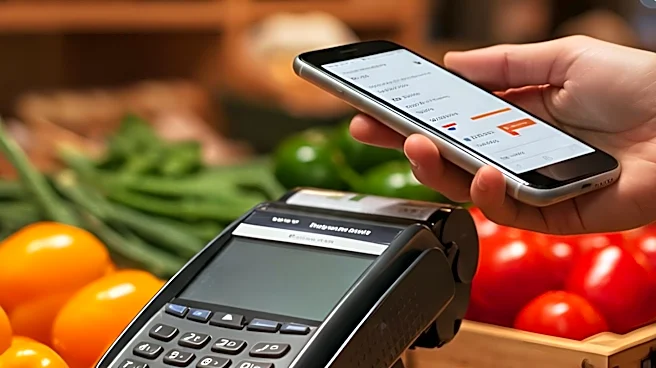
that previously indicated '10 items or less' are being replaced with generic 'express' signs. The company piloted this change in its Miami division and is now rolling it out companywide. According to Maria Brous, director of communications for Publix, the focus is on reducing wait times and serving customers as efficiently as possible, rather than adhering to a specific item count. This policy allows employees to consider factors like store traffic and order complexity when directing customers. Publix has also been increasing the availability of self-checkout stations as another option for quick purchases.
Why It's Important?
This policy change by Publix is significant for the retail industry and consumer experience, particularly in the U.S. grocery sector. By removing a rigid item limit, Publix is attempting to optimize checkout efficiency, which can directly impact customer satisfaction and store operational costs. The move reflects a broader trend in retail to adapt to changing consumer behaviors and technological advancements, such as the increased adoption of self-checkout. If successful, this strategy could lead to shorter queues and a more streamlined shopping experience, potentially increasing customer loyalty. However, the change has also sparked debate among shoppers, with some questioning whether it will truly improve efficiency or simply negate the purpose of an express lane. The outcome of this experiment could influence other supermarket chains to reconsider their own checkout policies, impacting how millions of Americans shop for groceries.
What's Next?
Publix will continue to implement this change across its stores, monitoring its impact on customer wait times and overall checkout efficiency. The company will likely gather feedback from both customers and employees to assess the effectiveness of the new policy. Depending on the results, other supermarket chains might observe Publix's approach and consider similar adjustments to their own express lane rules. The ongoing discussion among shoppers about the pros and cons of this change will also be a factor, potentially influencing further refinements to the policy. The increased availability of self-checkout stations will continue to offer an alternative for shoppers seeking quick transactions, complementing the updated express lane strategy. The success of this initiative could set a new standard for customer service and operational efficiency in the grocery retail sector.
Beyond the Headlines
The seemingly minor change in Publix's checkout policy touches upon deeper societal and psychological aspects of consumer behavior and retail design. The concept of an 'express lane' has long been a psychological cue for speed and efficiency, and altering its definition can shift customer expectations and perceptions of fairness. The debate among shoppers highlights differing views on what constitutes efficient service and how rules should be applied in a retail environment. This move also reflects the increasing reliance on data-driven decision-making in retail, where companies analyze customer flow and transaction times to optimize operations. Furthermore, it underscores the ongoing tension between human-centric service and technological solutions like self-checkout, as retailers strive to find the optimal balance. The long-term implication could be a more fluid and adaptive approach to retail operations, where policies are continuously adjusted based on real-time data and evolving customer needs, moving away from rigid, one-size-fits-all rules.