
What's Happening?
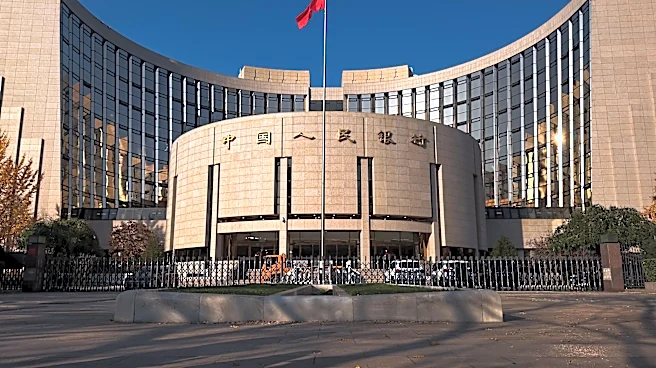
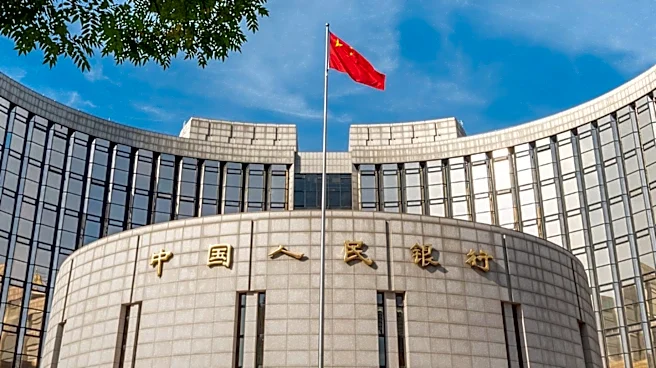
China's three major state-owned commercial banks—Industrial and Commercial Bank of China (ICBC), Bank of China, and China Construction Bank—are significantly increasing their loan disbursements under the Stock
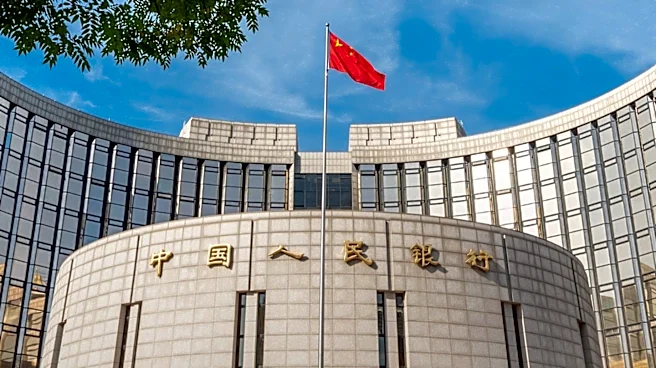
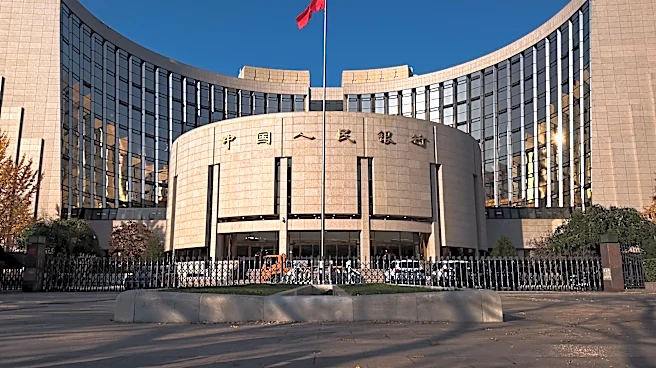
Buyback and Shareholding Increase Relending program. This acceleration follows a November 2 symposium where the People's Bank of China (PBOC), along with other financial regulators, confirmed the policy's conversion into a long-term institutional arrangement and a further cut in the relending rate. As of November 25, these banks have signed loan contracts and commitments totaling over 460 billion yuan (approximately $69.1 billion). ICBC has provided services to more than 200 listed companies with signed contracts approaching 180 billion yuan, while Bank of China has served nearly 200 listed companies with cumulative loan commitments exceeding 180 billion yuan. China Construction Bank has signed over 100 billion yuan in contracts with more than 100 clients and has engaged with nearly 100 listed companies to explain the policy and facilitate business matchmaking.
Why It's Important?
This concerted effort by China's state banks to accelerate lending under the Stock Buyback and Shareholding Increase Relending program is crucial for stabilizing and supporting the country's capital markets. By providing substantial credit support, the policy aims to encourage listed companies to engage in stock buybacks and increase shareholdings, which can boost investor confidence and potentially prop up stock valuations. The conversion of this policy from a temporary measure to a long-term institutional one signals a sustained commitment from Chinese authorities to maintain market stability. For U.S. and international investors with exposure to Chinese markets, this development could indicate a more stable investment environment, potentially mitigating some risks associated with market volatility. The increased liquidity and financial support for listed companies could also indirectly impact global supply chains and trade, given China's significant role in the world economy.
What's Next?
Following the policy's institutionalization and the accelerated lending by major state banks, the focus will likely shift to the tangible impact on China's capital markets and the broader economy. Banks are expected to continue streamlining service processes, forming dedicated service teams, and offering integrated financial services to listed companies, including loan structuring, dedicated account opening, and advisory services for M&A and restructuring. The People's Bank of China and other regulatory bodies will likely monitor the effectiveness of these measures in supporting market stability and economic growth. Further adjustments to the relending rate or other policy parameters could be considered based on market conditions and economic performance. The long-term success of this program will depend on its ability to foster sustainable growth and investor confidence without creating undue financial risks.
Beyond the Headlines
The institutionalization of the Stock Buyback and Shareholding Increase Relending program highlights a broader trend in China's economic policy: the increasing use of state-backed financial mechanisms to guide and stabilize key sectors. This approach underscores the government's proactive role in managing market dynamics, contrasting with more market-driven economies. While intended to support capital markets, such interventions can also raise questions about market efficiency and the potential for moral hazard, where companies might rely on state support rather than purely market-driven performance. The integrated financial services offered by state banks, combining commercial and investment banking functions, also reflect a unique model of state-led financial development. This could have long-term implications for the competitive landscape within China's financial sector and its interaction with global financial systems.