





What's Happening?
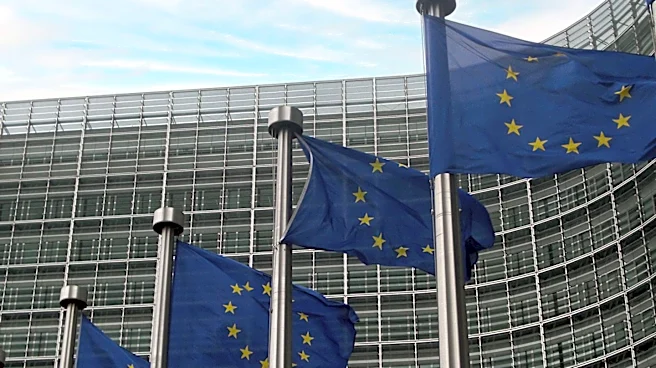
The European Investment Bank (EIB) has channeled €108 million into early-stage enterprises across Sub-Saharan Africa through its Boost Africa initiative over the past decade. This program, a joint venture between the EIB and the African Development Bank launched
in 2016, aims to address the significant deficit in early-stage venture funding in the region. The initiative has successfully attracted nearly €400 million in additional private investment and is credited with creating approximately 15,000 jobs. European Union Ambassador to Nigeria and ECOWAS, Gautier Mignot, highlighted that the program extends beyond mere capital injection, focusing on building foundational infrastructure necessary for emerging startups to achieve sustainable growth. The EIB's approach involves direct capital investment, technical assistance, and structured ecosystem development, partnering with six key venture capital funds to de-risk investments and catalyze private financing. This strategy is designed to help high-potential African startups evolve from local ventures into competitive regional and global entities.
Why It's Important?
This investment is crucial for fostering economic growth and stability in Sub-Saharan Africa, particularly in countries like Nigeria, which possesses one of the continent's most dynamic entrepreneurial ecosystems. By bridging early-stage funding gaps, the Boost Africa initiative empowers innovative startups to scale, thereby creating jobs and strengthening local value chains. The program's emphasis on both financial backing and ecosystem development ensures that these enterprises have the necessary support to thrive, contributing to broader economic resilience. The involvement of the EIB and the African Development Bank, with core financial backing from the EU and the Organisation of African, Caribbean and Pacific States, underscores a concerted international effort to unlock the economic potential of Africa's vibrant youth population. This strategic investment helps to retain high-growth talent and technology within the continent, preventing brain drain and fostering indigenous innovation.
What's Next?
The Boost Africa initiative is expected to continue its multi-pronged approach, combining direct capital investment, technical assistance, and ecosystem development to support African startups. The EIB will likely seek to expand its partnerships with venture capital funds to further de-risk investments and attract more private financing. The program's success in mobilizing substantial private investment suggests a continued focus on leveraging initial funding to catalyze broader financial engagement. Future efforts will likely concentrate on ensuring that high-potential African startups can effectively transition from local operations to competitive regional and global entities, thereby maximizing their impact on job creation and economic diversification. The ongoing commitment from the EU and other international partners indicates a sustained effort to address funding gaps and build robust entrepreneurial ecosystems across Sub-Saharan Africa.
Beyond the Headlines
The Boost Africa initiative represents a broader strategic effort to cultivate self-sustaining economic development in Africa by empowering local innovation. Beyond the immediate financial impact, the program addresses systemic challenges such as the lack of access to early-stage capital and the need for robust support infrastructure for startups. This approach fosters a culture of entrepreneurship and innovation, which is vital for long-term economic transformation. By investing in local enterprises, the initiative helps to diversify African economies, reducing reliance on traditional sectors and promoting resilience against global economic fluctuations. Furthermore, the program's focus on job creation for the continent's youth population has significant social implications, potentially mitigating social instability and promoting inclusive growth by providing opportunities for a demographic that often faces high unemployment rates. This long-term vision aims to build a more autonomous and economically robust Africa.