








What's Happening?
The concept of superfoods, such as ginger powder, açaí berries, and moringa powder, is often promoted for their health benefits, including potential weight loss and fat reduction. However, recent insights suggest that while these foods are rich in antioxidants
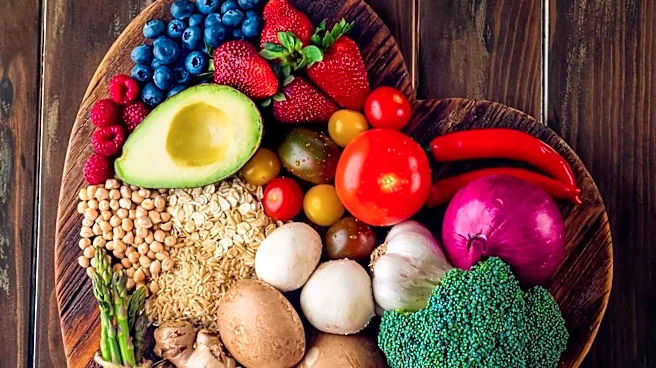
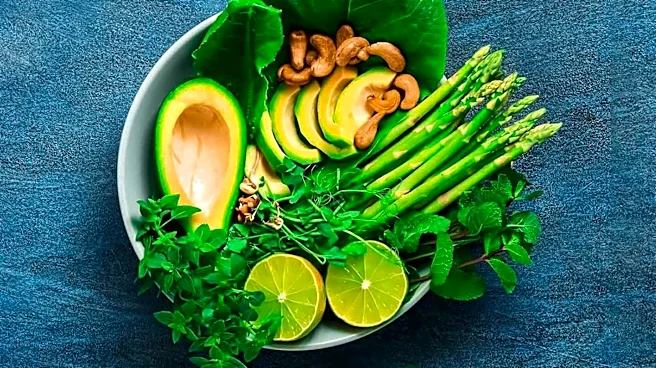
and nutrients, their effects on belly fat are not as direct as often claimed. Instead, structured eating patterns that focus on reducing excess energy intake while maintaining nutrition are more effective in lowering visceral fat. Foods like lean proteins, high-fiber foods, and healthy fats can support a healthy diet and potentially aid in reducing body fat when consumed as part of a balanced diet.
Why It's Important?
Understanding the role of superfoods in weight management is crucial for public health, as misconceptions can lead to ineffective dietary choices. While superfoods can be part of a healthy diet, they should not be viewed as miracle solutions for fat loss. The emphasis should be on overall dietary patterns that promote fullness and reduce overeating. This approach can help in managing weight and reducing health risks associated with visceral fat, such as insulin resistance and heart disease. Educating the public on these aspects can lead to more informed dietary choices and better health outcomes.
What's Next?
Future discussions and research may focus on further clarifying the role of specific foods within a balanced diet and their indirect effects on weight management. Health professionals might continue to advocate for comprehensive lifestyle changes, including diet, exercise, and sleep, as the most effective strategies for reducing belly fat. Public health campaigns could also emphasize the importance of sustainable eating habits over quick fixes.