






What's Happening?
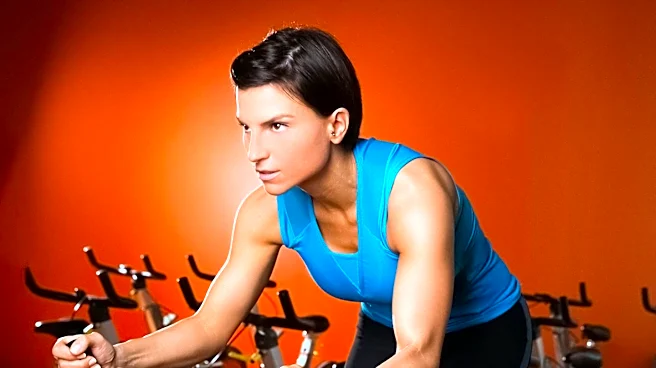
The CAROL Bike focuses on a specific type of high-intensity interval training (HIIT) known as Reduced Exertion High-Intensity Interval Training (REHIT) to improve VO2max without the need for running. VO2max, which is the maximum amount of oxygen the body
can use during intense exercise, is a key indicator of cardiovascular fitness. The CAROL Bike's protocol involves two 20-second all-out sprints within a roughly five-minute ride. Research indicates that even short interval programs, with work bouts of 30 seconds or less and five minutes or less of hard work per session, can significantly improve VO2max. A meta-analysis of 53 randomized trials supports this, showing that longer intervals and programs of 4 to 12 weeks produce larger effects. The CAROL Bike aims to provide an efficient, low-impact alternative to traditional running for enhancing aerobic capacity, particularly beneficial for individuals with knee issues or those who prefer non-running workouts.
Why It's Important?
This approach to fitness is important for the U.S. population as it offers a viable solution for individuals seeking to improve their cardiovascular health and VO2max without the high-impact risks associated with running. Given the prevalence of joint issues and injuries, particularly knee injuries, cycling-based HIIT provides a safer and more accessible option for a broader demographic. The efficiency of REHIT, requiring minimal time commitment (under 15 minutes of actual sprinting over six weeks for significant gains), addresses a major barrier to exercise adherence: lack of time. This could lead to increased participation in physical activity, contributing to better public health outcomes by reducing the risk of all-cause mortality, which is strongly linked to VO2max levels. For the fitness industry, it highlights a growing market for specialized equipment and training protocols that prioritize efficiency, safety, and accessibility, potentially shifting consumer preferences towards low-impact, high-reward exercise modalities.
What's Next?
The success of the CAROL Bike and similar REHIT-focused equipment could lead to a broader adoption of non-running, high-intensity interval training protocols in U.S. gyms, fitness centers, and home workout routines. We may see more research focusing on the long-term health benefits and adherence rates of REHIT compared to traditional exercise. This could also spur innovation in fitness technology, with more companies developing specialized bikes or other low-impact machines designed for ultra-short, high-intensity workouts. Educational campaigns might emerge to inform the public about the effectiveness of REHIT for VO2max improvement, challenging the conventional belief that extensive running is necessary for cardiovascular fitness. Furthermore, healthcare providers might increasingly recommend such low-impact, time-efficient exercise options to patients with mobility concerns or time constraints, integrating these methods into preventive health strategies.
Beyond the Headlines
The CAROL Bike's emphasis on REHIT challenges the cultural narrative that 'more is better' when it comes to exercise. By demonstrating significant physiological improvements with minimal time investment, it encourages a re-evaluation of how we perceive and prioritize physical activity. This could lead to a broader societal shift towards valuing intensity and efficiency over duration in fitness, potentially making exercise more appealing and sustainable for individuals with busy lifestyles. Ethically, it raises questions about the accessibility of such specialized equipment, as the CAROL Bike represents a significant investment. Ensuring that these effective training methods are available to diverse socioeconomic groups will be crucial for equitable health outcomes. Moreover, the scientific validation of REHIT underscores the importance of evidence-based fitness practices, pushing back against fads and promoting methods proven to deliver tangible health benefits, thereby fostering a more informed and effective approach to personal well-being.