



What's Happening?
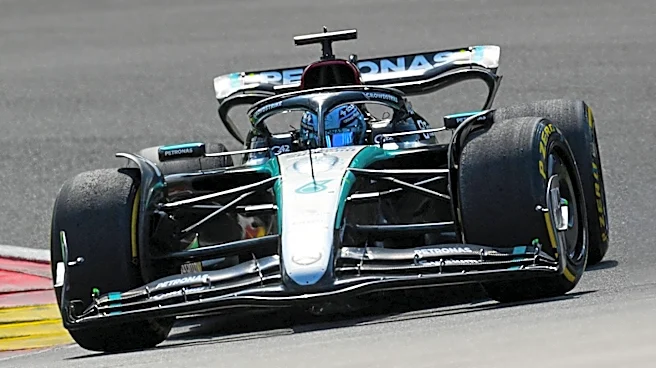
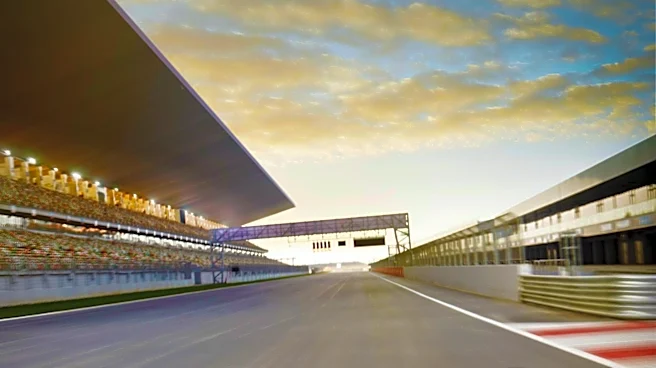
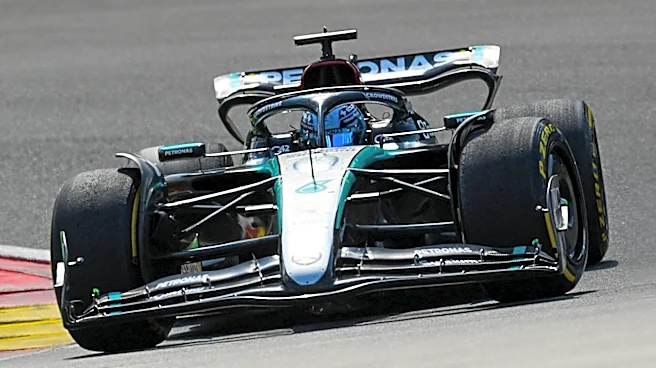
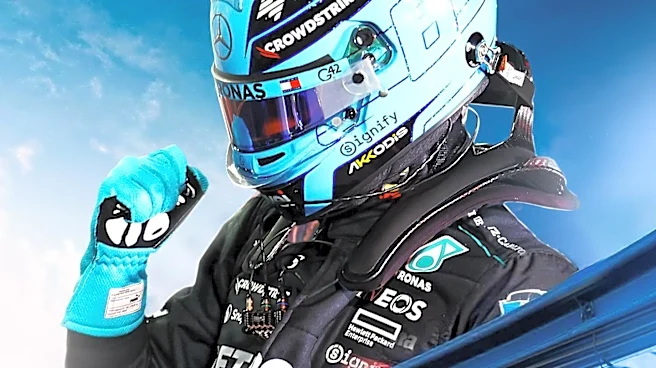
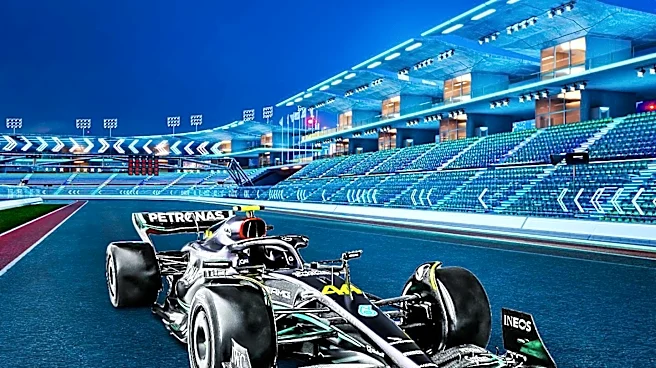
Formula 1 is considering a return to Malaysia, with Sepang emerging as a leading candidate to rejoin the race calendar following the cancellation of the Bahrain and Saudi Arabian races. Concurrently, Mercedes has identified a software bug in George Russell's
power unit as the cause of his performance issues at Spa, where energy was released prematurely. In addition, Mercedes has introduced Formula 1's first all-wheel-drive safety car, marking a technological advancement in the sport.
Why It's Important?
The potential return of the Malaysian Grand Prix could reshape the Formula 1 calendar, offering new opportunities for fan engagement and regional market expansion. The technical issues faced by Mercedes highlight the increasing complexity of modern F1 cars, where software glitches can significantly impact performance. The introduction of an all-wheel-drive safety car by Mercedes represents a significant innovation, potentially setting new safety standards in the sport. These developments underscore the dynamic nature of Formula 1, where technological advancements and strategic decisions continuously influence the competitive landscape.
What's Next?
If Malaysia is confirmed as a race venue, teams will need to adjust their schedules and strategies accordingly. Mercedes will likely focus on resolving the software issues to prevent future performance disruptions. The introduction of the all-wheel-drive safety car may prompt other teams to explore similar innovations, potentially leading to broader changes in safety protocols. Stakeholders will be watching these developments closely to gauge their impact on the sport's future.