






What's Happening?
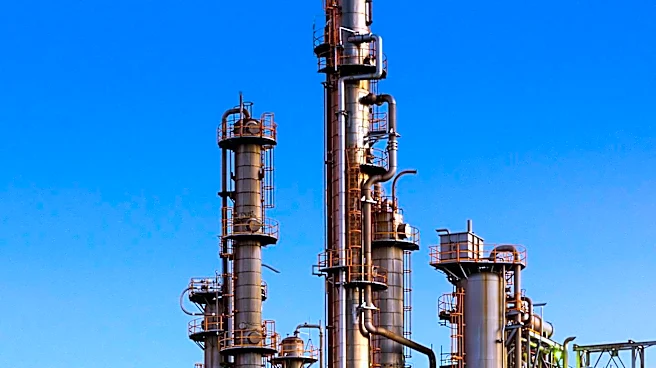
Marathon Petroleum Corporation (MPC) is actively investing in refinery projects aimed at increasing its distillate output, particularly diesel and related fuels. This strategic focus is a response to the current market conditions, where the distillate segment
has offered firm margins and contributed to the stock's technical strength. The company's efforts are designed to keep its refineries operating at high capacity and capitalize on tight product markets. This push towards higher distillate production directly links Marathon Petroleum's operational footprint to the current demand strength in these specific fuel types. While this strategy presents opportunities, it also concentrates risk within this product segment, making the company highly sensitive to changes in distillate economics or crude oil prices.
Why It's Important?
Marathon Petroleum's emphasis on increasing distillate output is significant for the U.S. energy market as it reflects a strategic adaptation to current demand trends and profit opportunities. By focusing on diesel and related fuels, MPC aims to leverage strong margins in a tight market, which can enhance its profitability and shareholder value. This move could also contribute to stabilizing the supply of essential fuels in the U.S., impacting transportation, logistics, and industrial sectors that rely heavily on diesel. However, this concentrated approach also exposes the company to considerable risk; a softening in distillate economics or a significant drop in crude prices could negatively impact earnings and revenue. The success of these refinery upgrades and the company's ability to maintain cost control and reliability will be crucial for its financial performance and its position within the competitive refining industry.
What's Next?
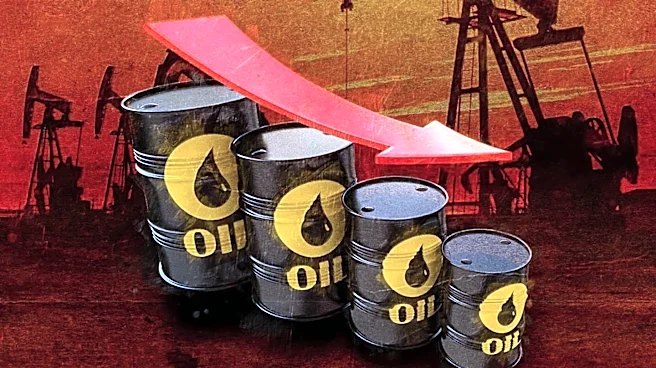
The future performance of Marathon Petroleum will largely depend on the execution of its refinery projects and the evolution of distillate market conditions. Analysts are currently projecting declining earnings and revenue for MPC over the next few years, with some more optimistic forecasts contingent on the success of these distillate-focused initiatives. The company's management has acknowledged downside risk if crude oil prices fall towards US$75 per barrel, highlighting the sensitivity of its refining spreads and overall profitability. Investors will be closely monitoring the progress of these refinery upgrades, the stability of distillate margins, and global crude oil prices. Continued strong demand for diesel and effective project execution could lead to a re-evaluation of analyst forecasts and potentially unlock further upside for the stock, while adverse market shifts could exacerbate existing concerns about high debt and declining earnings.
Beyond the Headlines
Marathon Petroleum's strategic shift towards higher distillate output reflects a broader trend within the U.S. refining industry to adapt to evolving energy demands and market dynamics. This specialization, while potentially profitable in the short term, also underscores the challenges faced by traditional fossil fuel companies in a world increasingly focused on energy transition. The concentration of risk in specific product segments highlights the need for agility and continuous innovation within the sector. Furthermore, the company's investment in refinery projects could have environmental implications, as increased production of diesel and related fuels contributes to carbon emissions, potentially conflicting with long-term decarbonization goals. This situation exemplifies the complex balance between economic viability, energy security, and environmental responsibility that U.S. energy companies must navigate.