




What's Happening?
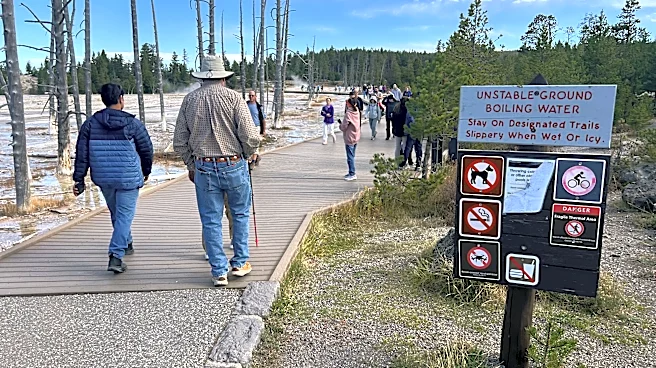
Many popular U.S. travel destinations provide a more enjoyable experience in the fall months, specifically from September through early November, after the peak summer tourist season concludes. This period often brings cooler temperatures, fewer crowds,
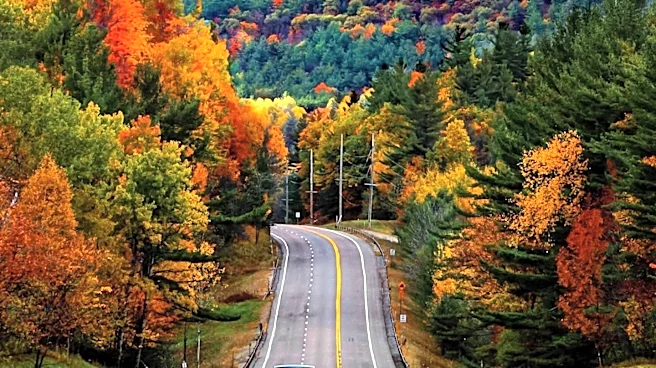
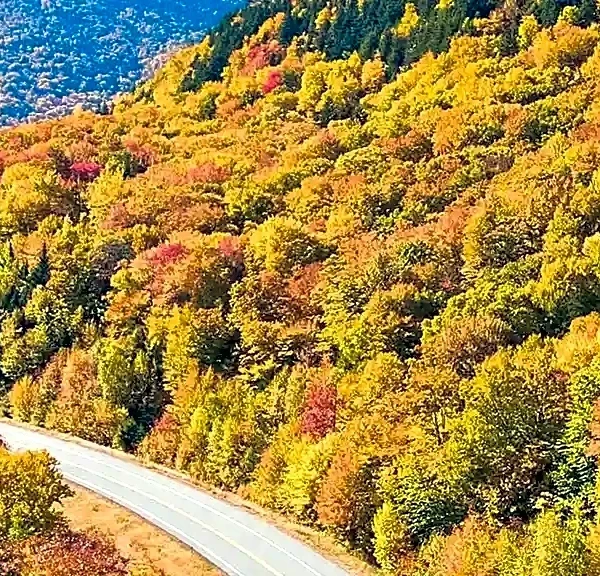
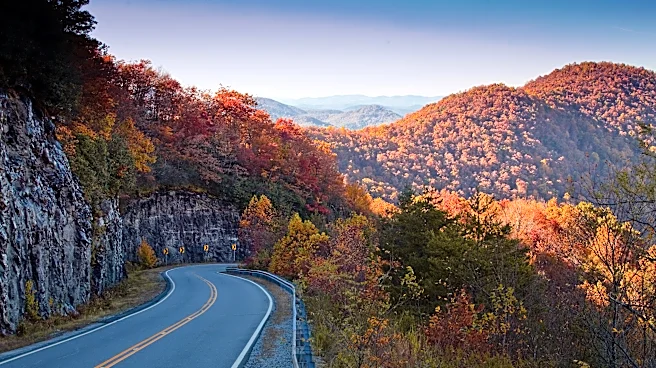
easier reservations, and equally, if not more, memorable scenery. Examples include Acadia National Park in Maine, where cooler weather makes hiking more comfortable and viewpoints more accessible, and Bar Harbor becomes quieter. Mackinac Island, Michigan, offers comfortable bike rides and fall foliage before seasonal closures. Williamsburg, Virginia, and Shenandoah National Park, Virginia, benefit from reduced humidity and vibrant autumn colors. Harpers Ferry, West Virginia, Asheville, North Carolina, Santa Fe, New Mexico, Sedona, Arizona, Napa Valley, California, Charleston, South Carolina, and Great Smoky Mountains National Park also offer distinct advantages during the post-summer period, such as harvest season activities, comfortable outdoor dining, and stunning foliage displays.
Why It's Important?
This trend highlights a significant opportunity for travelers with flexible schedules to optimize their vacation experiences by avoiding peak season crowds and enjoying more favorable conditions. For the U.S. tourism industry, promoting shoulder seasons (like autumn) can help distribute tourist traffic more evenly throughout the year, reducing strain on popular sites during summer and potentially extending the economic benefits of tourism into other months. Businesses in these destinations, from hotels and restaurants to tour operators, can benefit from sustained visitor numbers outside of the traditional high season. Furthermore, the emphasis on cooler weather and less crowded environments can enhance visitor satisfaction, leading to positive reviews and repeat visits, which are crucial for long-term tourism growth and sustainability.
What's Next?
As more travelers become aware of the benefits of off-peak travel, destinations and tourism boards may increasingly focus their marketing efforts on promoting the unique attractions of the fall season. This could involve highlighting specific events, festivals, or natural phenomena (like fall foliage) that are best experienced during these months. Travel providers might offer special packages or incentives for autumn bookings to encourage this shift. The continued sharing of positive experiences by travelers who choose to visit during these times will likely further popularize the concept of post-summer travel, potentially leading to a more balanced distribution of tourism throughout the year across various U.S. destinations. This could also influence infrastructure planning to better accommodate year-round visitation.
Beyond the Headlines
The preference for post-summer travel reflects a deeper desire among travelers for authenticity and a more intimate connection with their chosen destinations. Avoiding crowds allows for a more reflective and less rushed experience, fostering a greater appreciation for local culture, natural beauty, and historical sites. This shift also speaks to a growing awareness of sustainable tourism practices, as spreading out visitor numbers can reduce environmental impact and improve the quality of life for local residents. The emphasis on cooler weather and outdoor activities aligns with broader trends in wellness and experiential travel, where the journey itself, and the personal experiences gained, are as important as the destination. This could lead to a re-evaluation of what constitutes a 'prime' travel season, moving beyond simple weather considerations to encompass a more holistic travel experience.