





What's Happening?
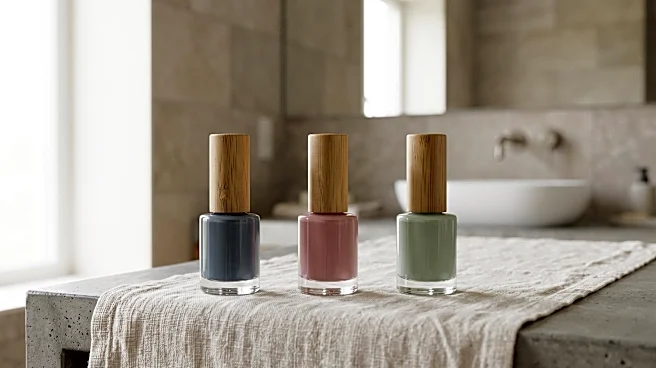
The United Kingdom has implemented new restrictions on the use of Trimethylbenzoyl Diphenylphosphine Oxide (TPO) in gel nail polish. This chemical, a photoinitiator, is used to cure gel polish under UV or LED light. The UK's action follows a similar prohibition
by the European Union, which classified TPO as a Category 1B reproductive toxicant after animal studies raised concerns about its potential effects on the reproductive system and hormones. The UK is adopting a phased approach, preventing manufacturers from introducing new cosmetic products containing TPO to the market, while allowing salons to deplete their existing stock. Experts clarify that this measure does not constitute a ban on gel nail polish itself, as manufacturers can reformulate products using alternative ingredients to achieve the same curing function. The focus is on the specific chemical, not the entire category of gel manicures.
Why It's Important?
This development is significant for the beauty industry, particularly for manufacturers and salons that rely on gel nail products. While the immediate impact is on the UK and EU markets, the changes are expected to influence product availability and formulations globally, including in the United States. Manufacturers will need to adapt by developing and utilizing TPO-free formulas, which could lead to innovation in product chemistry and potentially safer options for consumers. For salons, it emphasizes the importance of understanding product ingredients and proper application techniques, as issues like aggressive filing or improper gel removal are often cited as primary causes of nail damage, rather than the gel itself. The shift also highlights a growing consumer and regulatory demand for transparency regarding cosmetic ingredients and their potential health impacts.
What's Next?
Manufacturers are expected to continue reformulating their gel nail polish products to comply with the new TPO restrictions, leading to a wider availability of TPO-free options in the market. Salons in the UK will gradually transition to these new formulations as their current stock of TPO-containing products is used up. While there is no immediate announced timeline for similar restrictions in the United States, the global nature of the beauty supply chain suggests that TPO-free products will likely become more prevalent. Consumers are encouraged to become more informed about the ingredients in their nail products, ask salons about the formulations they use, and ensure proper application and removal techniques are followed to maintain nail health. The debate also underscores the ongoing need for clear labeling and industry education regarding cosmetic ingredients.
Beyond the Headlines
The restrictions on TPO in gel nail polish reflect a broader trend towards increased scrutiny of chemical ingredients in consumer products, driven by evolving scientific understanding and public health concerns. This move could set a precedent for other regions to review and potentially restrict similar chemicals in cosmetics. Beyond the immediate health implications, it highlights the ethical responsibility of manufacturers to prioritize consumer safety and the importance of regulatory bodies in enforcing such standards. The discussion also touches upon the 'myth' that nails need to 'breathe,' clarifying that the visible part of the nail is dead cells, and emphasizing that proper application and removal are key to nail health. This incident could foster greater transparency within the beauty industry, encouraging both professionals and consumers to be more discerning about product formulations and their long-term effects.