








What's Happening?
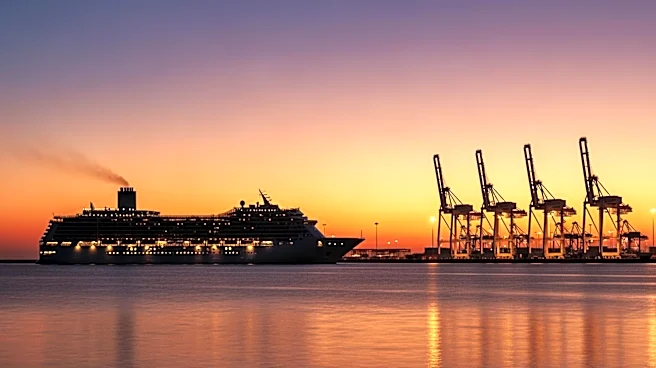
The Port of Galveston, Texas, is experiencing significant growth as a cruise homeport, driven by its strategic geographic location and increasing population in the Central United States. Over the past 25 years, the port has steadily expanded its cruise operations,
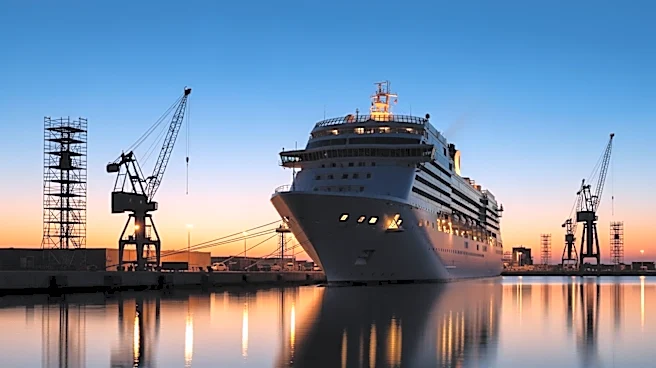
doubling passenger movements from 1.9 million in 2017 to a forecasted 3.9 million by 2026. The port's development includes capital investments of $334 million for the cruise industry, resulting in the addition of modern cruise terminals and infrastructure improvements. Galveston Wharves, the port authority, has adopted a 20-Year Strategic Master Plan to guide its growth, with plans to further expand cruise and cargo operations. The port is also preparing to accommodate larger LNG-fueled ships, with Carnival Cruise Line and Royal Caribbean planning to homeport new vessels in Galveston.
Why It's Important?
The expansion of the Port of Galveston as a cruise homeport has significant economic implications for the region. By attracting major cruise lines and increasing passenger movements, the port is poised to boost local tourism and create jobs. The strategic location of Galveston offers easy access to a large drive market, enhancing its appeal to cruise lines. The port's growth also reflects broader trends in the cruise industry, which is increasingly focusing on sustainability and efficiency. The introduction of LNG-fueled ships aligns with global efforts to reduce emissions and environmental impact. As the port continues to develop, it could serve as a model for other ports seeking to balance commercial and environmental priorities.
What's Next?
Looking ahead, Galveston Wharves plans to further expand its cruise operations, potentially doubling passenger movements to between 7 and 8 million by 2036. The port is in discussions with cruise lines about building a fifth terminal and accommodating additional seasonal sailings. The development of a new multi-use berth on Pelican Island is also proposed, which would support shipbuilding, cargo operations, and LNG bunkering. As the port continues to grow, it will need to address challenges related to infrastructure, environmental sustainability, and community impact. Collaboration with cruise lines, energy companies, and local authorities will be crucial to achieving these goals.