



What's Happening?
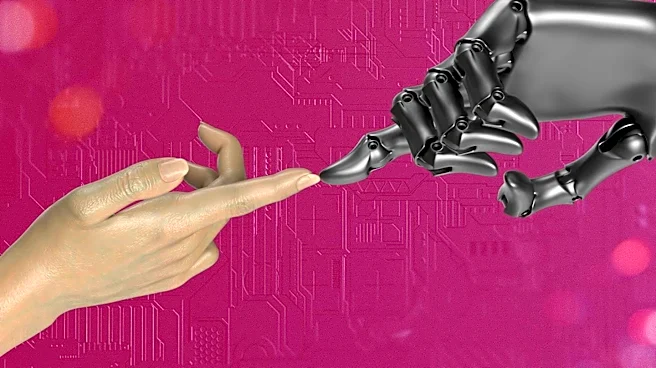
Billboard has unveiled its 2026 list of Top Music Lawyers, highlighting legal professionals who are navigating the complex landscape of the music industry, particularly in the context of generative artificial intelligence (AI). The list includes attorneys
who represent major music companies and artists, negotiating deals and addressing legal challenges posed by AI technologies. The rise of AI in music has sparked debates over copyright and fair use, with some viewing it as digital theft. Legal battles have ensued, with major music groups like Universal, Sony, and Warner taking action against AI companies for copyright infringement. The legal community is actively engaged in shaping the future of AI in music, balancing innovation with the protection of artists' rights.
Why It's Important?
The intersection of AI and the music industry presents significant legal and ethical challenges. As AI technologies evolve, they raise questions about copyright, fair use, and the rights of creators. The legal community's role in navigating these issues is crucial for ensuring that artists are fairly compensated and that their work is protected. The outcomes of these legal battles could set precedents for how AI is integrated into creative industries, impacting how music is produced, distributed, and consumed. The involvement of top music lawyers underscores the importance of legal expertise in addressing these complex issues.
Beyond the Headlines
The ongoing legal discourse around AI in music highlights broader implications for intellectual property rights and the future of creative industries. As AI continues to advance, it challenges traditional notions of authorship and ownership, prompting a reevaluation of existing legal frameworks. The music industry's response to AI could influence other sectors facing similar technological disruptions. Additionally, the ethical considerations of AI-generated content, such as authenticity and consumer perception, add layers of complexity to the legal landscape. The dialogue between technology and law will be pivotal in shaping the future of creativity and innovation.