







What's Happening?
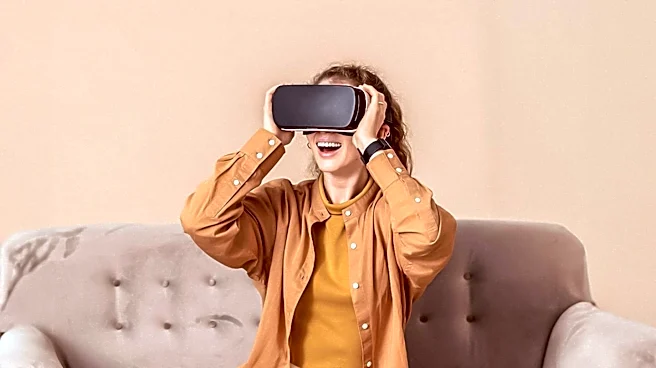
Augmented reality (AR) fitting rooms are revolutionizing the retail experience by allowing consumers to virtually try on clothing and accessories. This technology overlays digital information onto a user's real-world view, enabling shoppers to see how
products like eyewear, jewelry, and apparel look on them without physically trying them on. AR try-on solutions range from basic accessory previews to advanced AI live try-on systems that utilize real-time deformation and computer vision for highly realistic results. The core components of AR virtual try-on app development include a tracking engine that interprets camera feeds, a library of 3D product models, and a commerce layer that links the virtual display to purchasing options. This integration aims to address common pain points in online shopping, such as uncertainty about fit and appearance, which often lead to product returns. The technology is gaining traction as consumer behavior shifts, with a significant percentage of shoppers having made purchases after using AR for online shopping.
Why It's Important?
The adoption of AR virtual try-on technology holds significant importance for the U.S. retail industry. It directly addresses the issue of high return rates in e-commerce, which are a major cost burden for retailers due to shipping, inspection, restocking, and potential markdowns. By allowing customers to visualize products more accurately before purchase, AR can boost consumer confidence and reduce the likelihood of returns, thereby improving profit margins. Categories like eyewear, beauty, footwear, and jewelry are seeing the fastest payback from this technology because fit and shade uncertainty are primary drivers of returns in these sectors. Furthermore, the maturation of camera hardware, on-device neural engines, and 3D tooling has made AR try-on more accessible and cost-effective to implement, moving it from a niche innovation to a mainstream retail solution. This technology enhances the overall shopping experience, potentially increasing customer engagement and satisfaction in an increasingly competitive market.
What's Next?
The future of AR virtual try-on in retail involves continued technological advancements and broader integration across various product categories. Retailers are expected to refine their 3D asset pipelines, which often represent the largest portion of development costs, to efficiently create high-quality, lightweight models for their entire inventory. Further development in fit and sizing intelligence, leveraging machine learning and depth data, will enhance the accuracy of virtual try-ons, moving beyond just visual preview to actual size recommendations. As the technology evolves, more complex categories like apparel, which present challenges with fabric drape and body shape variation, will see more sophisticated solutions. Brands will likely focus on seamless integration of try-on features directly into their commerce flows, ensuring that the virtual experience directly leads to add-to-cart actions. The ongoing collection and analysis of user data from AR sessions will also inform merchandising strategies, helping retailers understand which products and features resonate most with consumers.
Beyond the Headlines
Beyond its immediate impact on sales and returns, AR virtual try-on technology signals a broader shift in consumer expectations and retail paradigms. It represents a move towards more personalized and interactive shopping experiences, where technology bridges the gap between online convenience and the tactile experience of in-store shopping. Ethically, the use of camera data for virtual try-ons necessitates clear privacy policies and transparent communication with users about how their data is processed. The technology also has implications for sustainability, as reduced returns can lead to less shipping and packaging waste. Culturally, as AR becomes more commonplace, it could redefine how consumers perceive and interact with brands, fostering a more engaging and less transactional relationship. In the long term, the widespread adoption of AR in retail could accelerate the development of related immersive technologies, paving the way for even more integrated digital and physical shopping environments.