





What's Happening?
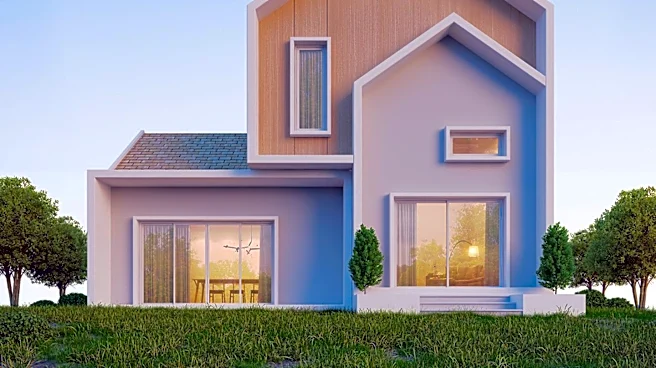
Nelson Design Group is emphasizing its Michigan Modern Farmhouse collection, which blends rustic aesthetics with contemporary functionality. The company notes that while the clean farmhouse exterior is a key draw, the practical aspects of the floor plan
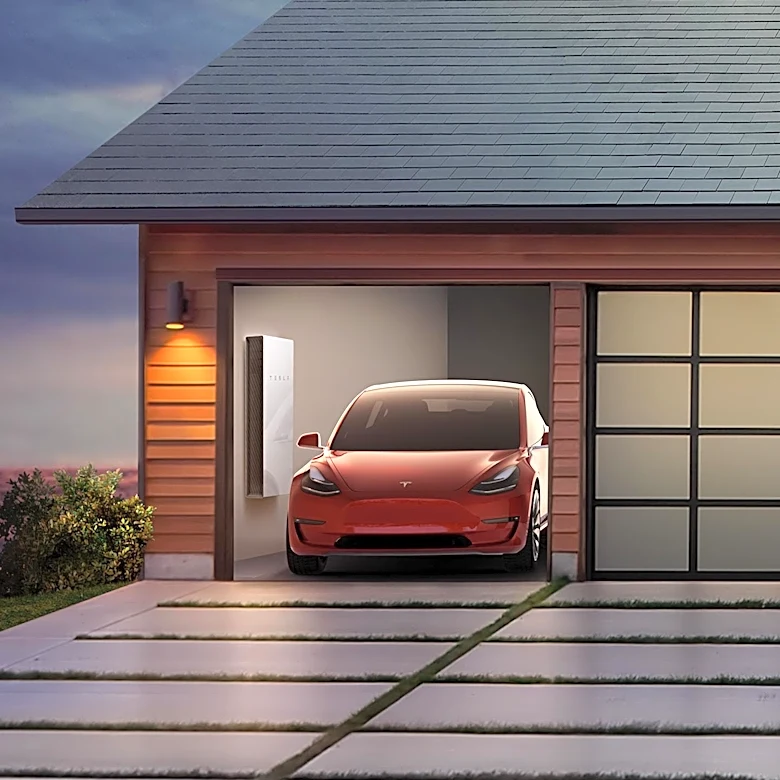
are crucial for homeowners. Key considerations include the flow of groceries from the garage, the utility of transition spaces, and the functional use of porches. The collection features open layouts and inviting front porches, but individual plans vary significantly in their specific rooms and features. Homebuyers are encouraged to compare plans based on dimensions, bedroom placement, garage access, storage solutions, and porch locations to ensure the design aligns with their daily life and lot requirements. The company advises consulting local professionals for site-specific needs.
Why It's Important?
The focus on practical layouts and features in modern farmhouse designs by Nelson Design Group underscores a significant trend in the U.S. housing market: the demand for homes that are not only aesthetically pleasing but also highly functional for everyday living. This approach directly impacts homeowners by providing designs that address common pain points, such as efficient grocery unloading or effective use of entryways for coats and boots, especially in four-season climates like Michigan. For the construction industry, it highlights the importance of thoughtful design beyond superficial trends, pushing for plans that genuinely enhance livability. This emphasis on functionality can lead to increased homeowner satisfaction, potentially reducing the need for costly post-construction modifications. It also signals a market where consumers are increasingly discerning, prioritizing practical utility alongside visual appeal, which can influence design standards and marketing strategies for residential developers.
What's Next?
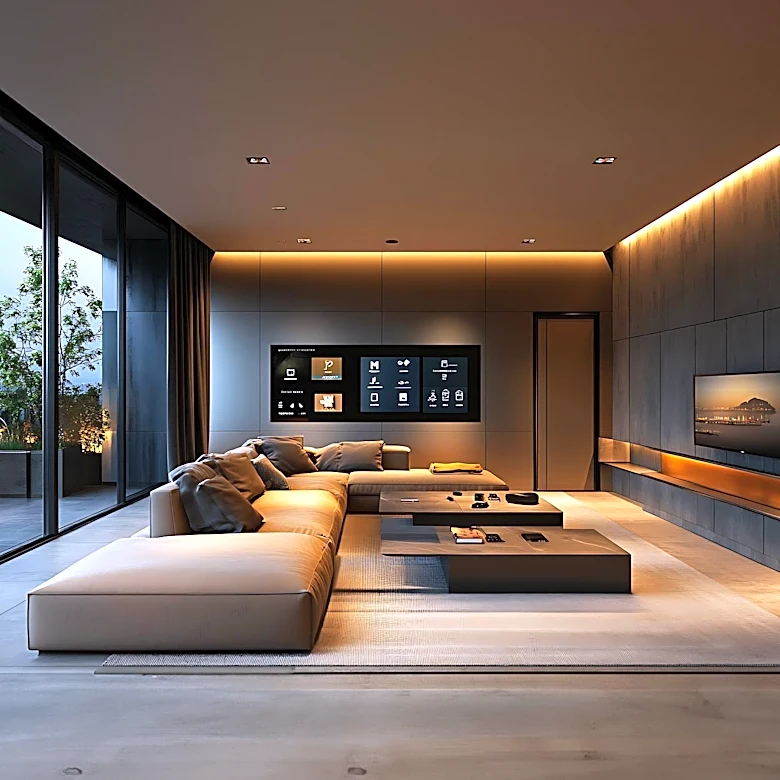
As consumer demand for functional and aesthetically pleasing homes continues, design groups like Nelson Design Group will likely further refine their offerings to incorporate more customizable options for practical elements. This could include modular design components for garages, transition spaces, and porches, allowing homeowners to tailor their homes more precisely to their lifestyles. There may also be an increased focus on integrating smart home technologies that enhance daily routines, such as automated lighting in transition areas or climate control systems optimized for open layouts. The industry might also see a rise in educational resources for homebuyers, guiding them through the process of evaluating floor plans for practical utility, rather than just visual appeal. This shift could lead to more efficient and user-centric home designs becoming the standard in the U.S. housing market.
Beyond the Headlines
The emphasis on practical layouts in modern farmhouse designs reflects a broader societal shift towards intentional living and a desire for homes that truly support daily life rather than merely serving as showcases. This trend touches upon the psychological aspect of homeownership, where a well-designed, functional space can significantly reduce daily stress and improve overall well-being. It also highlights the evolving definition of 'luxury,' moving beyond opulent finishes to encompass thoughtful design that simplifies routines and enhances comfort. Environmentally, efficient layouts can contribute to better energy use and reduced waste in construction. Culturally, it suggests a return to valuing utility and craftsmanship, reminiscent of traditional farmhouse principles, but adapted for contemporary needs. This movement encourages a more mindful approach to home design, where every space serves a purpose and contributes to a harmonious living environment.