









What's Happening?
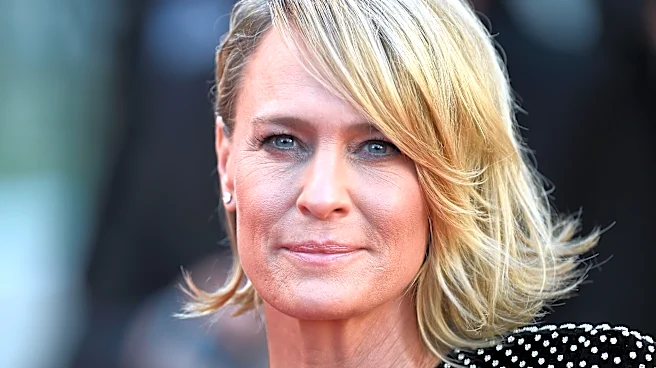
Mary Elizabeth Mastrantonio, known for her role as Maid Marian in the 1991 film 'Robin Hood: Prince of Thieves' opposite Kevin Costner, was not the initial choice for the role. Robin Wright was originally cast as the film's leading lady. However, Wright became
pregnant shortly before filming was set to begin, leading to her withdrawal from the project. Consequently, Mary Elizabeth Mastrantonio was brought in to play Maid Marian just four days before production commenced. Mastrantonio's performance in the film, which followed her Academy Award nomination for 'The Colour of Money,' solidified her association with the character, despite the last-minute casting change.
Why It's Important?
This casting change highlights the unpredictable nature of film production and the significant impact personal circumstances can have on major Hollywood projects. The last-minute recasting of a lead role, especially one as iconic as Maid Marian, demonstrates the agility and resourcefulness required in the film industry to maintain production schedules. For Robin Wright, this event marked a pivotal moment in her early career, as it meant missing out on a high-profile role that could have further propelled her trajectory at that time. Conversely, it provided a significant opportunity for Mary Elizabeth Mastrantonio, who stepped into the role with very little preparation time and ultimately delivered a memorable performance that became one of her most recognized. This incident also underscores the challenges faced by actresses in balancing career demands with personal life events like pregnancy, a topic that continues to be relevant in the entertainment industry.
What's Next?
While this event occurred decades ago, its implications resonate in discussions about career opportunities and personal choices for actors. For Robin Wright, despite missing out on 'Robin Hood,' she went on to have a highly successful career, including acclaimed roles in 'The Princess Bride' and 'House of Cards.' For Mary Elizabeth Mastrantonio, 'Robin Hood: Prince of Thieves' became a defining role, contributing to her lasting legacy in cinema. The story serves as a historical example within Hollywood of how unforeseen circumstances can alter career paths and create new opportunities for others. It also subtly contributes to the ongoing conversation about how the industry accommodates or fails to accommodate the personal lives of its talent, particularly women.
Beyond the Headlines
The story of Robin Wright's recasting in 'Robin Hood: Prince of Thieves' due to pregnancy touches upon broader themes of women's roles in the workplace, particularly in demanding industries like film. It implicitly raises questions about the support systems available for pregnant actors and whether such situations could be handled differently today. While the film industry has made strides in addressing these issues, the historical context of this event reminds us of a time when pregnancy often meant a temporary or permanent halt to an actress's career. The swift replacement of Wright, while necessary for production, underscores the intense pressure on actors to maintain availability and the potential professional costs of personal life events. This anecdote, therefore, is not just about a casting change but also reflects the evolving landscape of gender equality and professional accommodation within Hollywood.