


What's Happening?
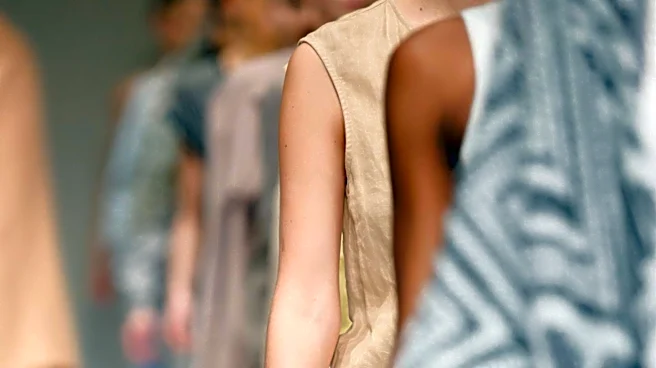
Students in Standley Lake High School's Fashion Design program, in collaboration with Plato's Closet Westminster, organized and produced a fashion show featuring exclusively secondhand clothing. The project, led by Fashion Design Educator Danielle McCracken
and Plato's Closet Westminster owner Char Magee, challenged students to select garments from the secondhand store and reinvent each piece using repurposed materials. This initiative aimed to highlight the value of sustainability and uniqueness in fashion. Students engaged in various aspects of fashion design, from creating mood boards and studying color palettes to sketching concepts and transforming ordinary garments into original runway designs. The process involved significant creativity, collaboration, and problem-solving, with students undertaking roles in garment construction, marketing, photography, event planning, and production management.
Why It's Important?
This project underscores a growing trend in the U.S. fashion industry towards sustainability and circular economy principles. By engaging high school students in the redesign and repurposing of secondhand clothing, it promotes environmental consciousness from a young age, potentially influencing future consumer behavior and industry practices. The collaboration between an educational institution and a local business like Plato's Closet Westminster provides students with practical, real-world experience, bridging classroom learning with industry demands. This experiential learning is crucial for developing skills beyond design, such as marketing, event management, and problem-solving, which are valuable in various career paths. The emphasis on individuality and unique style through thrifting also reflects a broader cultural shift away from fast fashion and towards more personalized and sustainable consumption.
What's Next?
The success of this fashion show could inspire similar collaborations between schools and local businesses across the U.S., fostering more experiential learning opportunities in sustainable design and entrepreneurship. The project's impact on students, as evidenced by increased motivation and interest in fashion design, suggests a potential for growth in educational programs focused on sustainable practices. Furthermore, the initiative may encourage more consumers, particularly younger generations, to embrace secondhand clothing and repurposing as viable and stylish alternatives to new purchases. This could lead to a continued expansion of the secondhand market and a greater demand for innovative approaches to textile waste reduction and upcycling within the fashion industry.
Beyond the Headlines
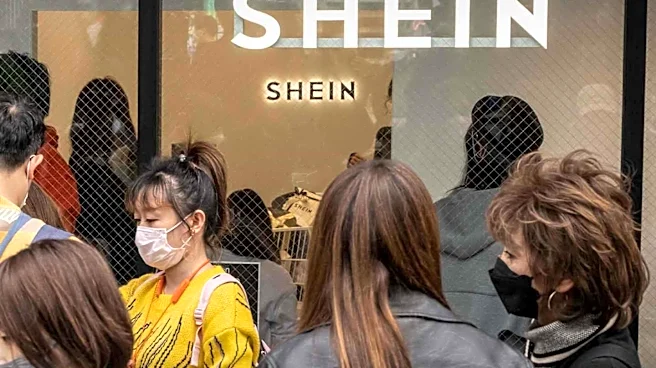
Beyond the immediate success of the fashion show, this initiative touches upon deeper societal and ethical considerations regarding consumption and environmental responsibility. It challenges the prevailing culture of fast fashion, which often contributes to significant waste and ethical concerns in production. By demonstrating that style and creativity can thrive through repurposing, the project encourages a more mindful approach to clothing consumption. It also highlights the role of education in shaping future generations' values and behaviors, empowering students to become agents of change in addressing environmental challenges. The project's emphasis on individuality through unique, redesigned pieces also speaks to a broader cultural desire for authenticity and personal expression in an increasingly homogenized market.