


What's Happening?
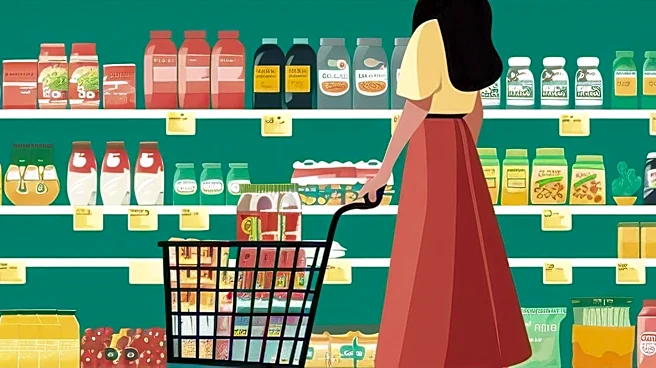
Despite a slowdown in inflation, grocery prices in the United States remain high, a phenomenon described as 'rockets and feathers.' This term refers to the rapid increase in food prices during the pandemic and their slow decline thereafter. The U.S. Department
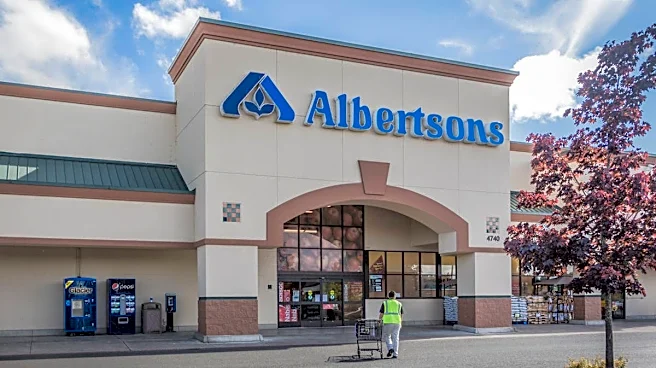
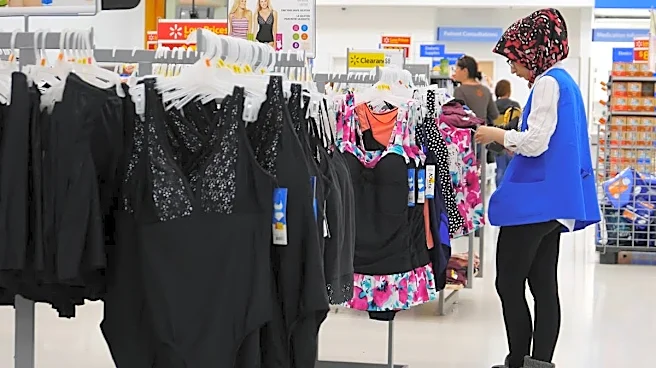
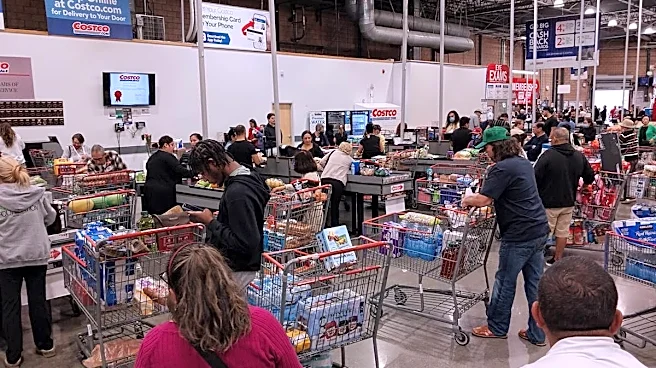
of Agriculture reports that food prices are expected to rise by 2.7% this year, slightly above the historical average. Consumers are reacting by seeking discounts and switching to store brands, with discount retailers like Costco, Walmart, and Aldi gaining market share over traditional chains such as Kroger and Albertsons. The shift is driven by economic pressures, including high gas prices and reduced government food assistance.
Why It's Important?
The persistent high grocery prices have significant implications for the U.S. economy and consumer behavior. As consumers adjust by purchasing store brands and seeking discounts, traditional grocery chains may face increased competition and pressure to lower prices. This shift could impact profit margins and market strategies for major retailers. Additionally, the economic strain on consumers may lead to reduced spending in other areas, potentially affecting broader economic growth. The situation highlights the ongoing challenges of post-pandemic economic recovery and the complex factors influencing consumer prices.
What's Next?
Retailers may need to continue adjusting their pricing strategies to remain competitive. Large chains like Walmart and Target have already begun reducing prices on certain items, which could force other retailers to follow suit. This competitive pricing environment may eventually lead to more significant price reductions, benefiting consumers. However, the pace and extent of these changes will depend on various factors, including supply chain dynamics and consumer demand. Policymakers and economic analysts will likely monitor these trends closely to assess their impact on inflation and economic stability.