







What's Happening?
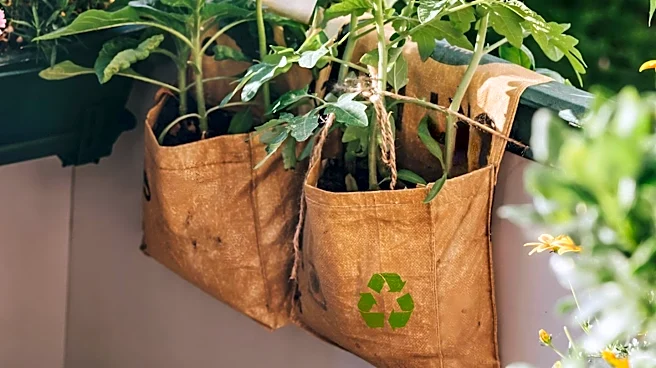
Urban gardening provides solutions for individuals living in cities without traditional yards, enabling them to grow plants in limited spaces. Options include rooftops, balconies, and community plots, each presenting unique advantages and considerations.
Balconies are the most accessible starting point, requiring minimal permissions beyond a lease. Rooftop gardening offers significant growing space but necessitates engineering approval due to structural weight limits. Community plots provide more space and a communal experience but often involve waitlists and require soil testing for contaminants like lead, especially near roads or old buildings. The Plant to Plate Internship Program utilizes sustainable urban gardening to educate students on food systems, while seasonal container planting services, such as those in Brookline, MA, offer elegant and manageable solutions for limited outdoor areas, allowing for easy seasonal changes.
Why It's Important?
The rise of urban gardening is significant for several reasons, addressing issues of food access, community engagement, and personal well-being in densely populated areas. For city residents, it offers a direct way to access fresh produce, contributing to food sovereignty by allowing individuals to participate in decisions about their food sources. Community gardens, in particular, foster social connections and have been shown to improve well-being, resilience, and optimism among participants compared to solitary gardeners or non-gardeners. This movement also provides educational opportunities, as seen with programs like Plant to Plate, which teach young people about sustainable practices and food systems. Furthermore, urban gardening can enhance the aesthetic appeal of urban environments and offer a therapeutic outlet, promoting mental health and a connection to nature amidst urban living.
What's Next?
The future of urban gardening is likely to see continued growth and innovation, with increasing emphasis on sustainable practices and community integration. As urban populations expand, demand for accessible green spaces and fresh food sources will drive further development in rooftop and community garden initiatives. Cities may implement more programs to support urban agriculture, potentially offering incentives for green roofs or streamlining the process for establishing community plots. Educational programs focusing on food systems and sustainable growing techniques are also expected to expand, empowering more individuals to engage in urban gardening. Additionally, advancements in container gardening technology and lightweight growing media will likely make urban gardening more efficient and accessible, allowing for greater yields in smaller spaces and reducing structural concerns for rooftop installations.
Beyond the Headlines
Beyond the immediate benefits of fresh produce and green spaces, urban gardening has deeper implications for urban planning, environmental sustainability, and social equity. It challenges traditional notions of land use in cities, promoting the repurposing of underutilized spaces for productive purposes. Environmentally, urban gardens can contribute to biodiversity, improve air quality, and help manage stormwater runoff, mitigating the urban heat island effect. Socially, these initiatives can bridge divides, creating inclusive spaces where diverse community members can interact and collaborate. Addressing soil contamination in community plots highlights broader environmental justice concerns, emphasizing the need for safe and healthy environments for all residents. Ultimately, urban gardening represents a shift towards more resilient and self-sufficient urban ecosystems, fostering a stronger connection between people and their food sources while promoting a sense of collective responsibility for urban landscapes.