



What's Happening?
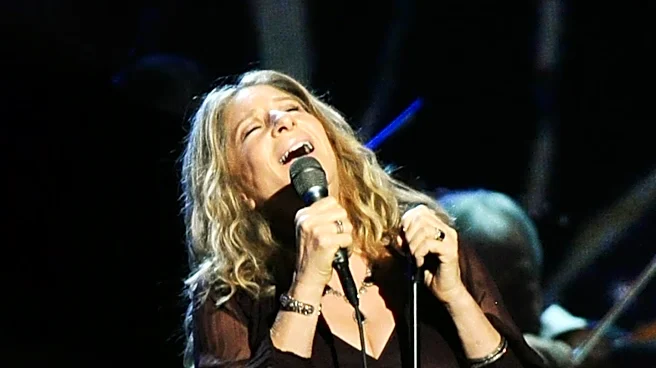
The iconic 1978 duet 'You Don't Bring Me Flowers' by Neil Diamond and Barbra Streisand originated from an unexpected source: a radio DJ. Initially, both artists had recorded separate, solo versions of the song for their respective albums. Neil Diamond included
his version on his 1977 album 'I'm Glad You're Here with Me Tonight,' while Barbra Streisand featured her rendition on her 'Songbird' LP a year later. Neither artist intended for the song to be a duet. However, Gary Guthrie, a radio DJ and program director at WAKY Radio in Louisville, Kentucky, noticed the similarities in their individual recordings. He creatively spliced the two versions together, playing them as a combined track. This unauthorized edit garnered overwhelming listener interest, prompting other radio stations to follow suit. The widespread positive response ultimately led Columbia Records to arrange an official recording of the duet by Diamond and Streisand, which subsequently topped the Billboard Hot 100 in December 1978.
Why It's Important?
This event highlights the significant influence that radio DJs and local media can wield in shaping popular music trends and even influencing major record labels. In an era before widespread digital music distribution, radio played a crucial role in breaking new songs and artists. Gary Guthrie's initiative demonstrates how grassroots enthusiasm and creative experimentation within the media landscape could directly impact commercial music production and success. For the music industry, this story underscores the importance of listening to audience feedback and adapting to unexpected trends, even those initiated outside traditional corporate channels. The success of 'You Don't Bring Me Flowers' as a duet, born from a DJ's mashup, illustrates how collaborative and sometimes unconventional approaches can lead to massive commercial hits, benefiting both artists and record companies. It also showcases the power of a compelling narrative in music, as the song's journey from two solo tracks to a chart-topping duet became part of its appeal.
What's Next?
The story of 'You Don't Bring Me Flowers' serves as a historical example of how audience demand, amplified by media, can drive artistic and commercial decisions in the music industry. While the landscape of music consumption has evolved significantly with digital platforms, the underlying principle of audience engagement remains critical. Future trends may continue to see fan-created content or unexpected collaborations gaining traction, potentially influencing official releases or re-imaginings of existing works. Record labels and artists might increasingly monitor social media and fan communities for emerging trends and creative interpretations of their music. This historical precedent could also inspire new forms of collaborative content creation, where artists or their teams might intentionally solicit fan input or creative edits to generate buzz and test new musical concepts, leveraging the power of collective creativity to produce hits.
Beyond the Headlines
Beyond its immediate impact on the music charts, the story of 'You Don't Bring Me Flowers' touches upon the evolving relationship between artists, their audience, and the intermediaries like radio stations. It exemplifies a moment when the 'gatekeepers' of music distribution, such as record labels, were compelled to respond to organic public demand rather than solely dictating what was consumed. This incident foreshadows the democratizing effect of digital platforms and social media, where fan engagement and user-generated content can directly influence mainstream culture. Ethically, it raises questions about intellectual property and creative ownership when a third party, like a DJ, reinterprets and popularizes an artist's work without initial authorization. However, in this case, the outcome was mutually beneficial, leading to a celebrated collaboration and a timeless hit, highlighting the potential for unexpected synergies in the creative process.