



What's Happening?
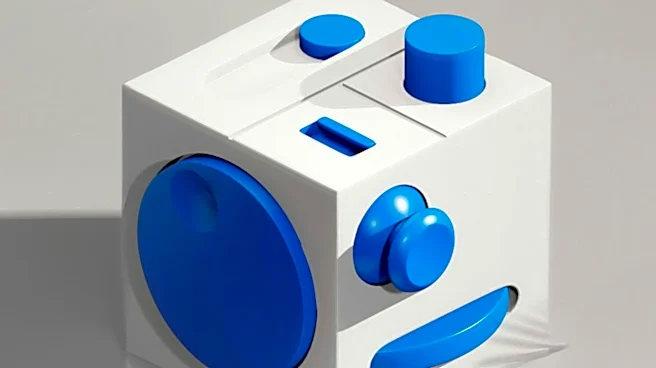
Dbrand, a Canadian peripheral manufacturer known for its bold marketing strategies, has canceled its Companion Cube case for the Steam Machine after Valve Corporation demanded the cessation of pre-orders. The case, inspired by Valve's popular game franchise,
was announced alongside the Steam Machine, garnering significant interest with over 15,000 sign-ups on the first day. Despite the enthusiasm, Dbrand proceeded without securing permission from Valve, leading to a legal intervention. Valve's legal team contacted Dbrand, asserting that the Companion Cube is Valve's intellectual property and requested the immediate removal of the product and its promotional materials. Dbrand complied with the request and issued refunds to customers, acknowledging their mistake in not seeking prior approval from Valve.
Why It's Important?
This incident underscores the critical importance of intellectual property rights in the gaming industry. Valve's swift action to protect its intellectual property highlights the legal boundaries companies must navigate when creating products inspired by existing franchises. For Dbrand, this serves as a public lesson in the necessity of obtaining proper licensing before product development. The situation also reflects the broader challenges faced by companies in balancing innovation with legal compliance. For consumers, it emphasizes the potential risks associated with pre-ordering products that may not have secured necessary rights, impacting trust and financial transactions.
What's Next?
Dbrand has expressed regret over the situation and is issuing refunds to affected customers. The company has also reached out to Valve in hopes of finding a way to continue the project under proper licensing, though Valve has declined this proposal. Moving forward, Dbrand may need to reassess its approach to product development and marketing strategies to avoid similar legal challenges. For Valve, this incident reinforces its commitment to protecting its intellectual property, potentially influencing how it handles future unauthorized uses of its franchises.