


What's Happening?
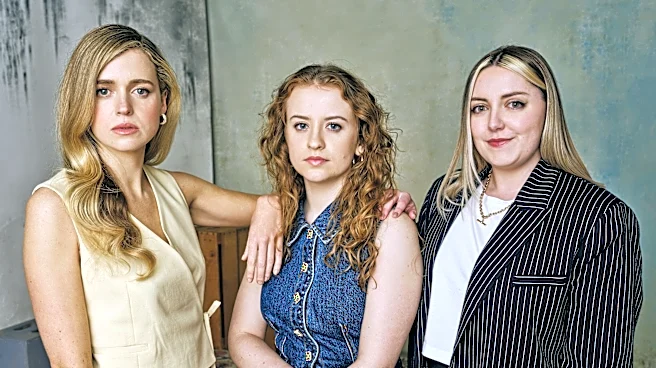
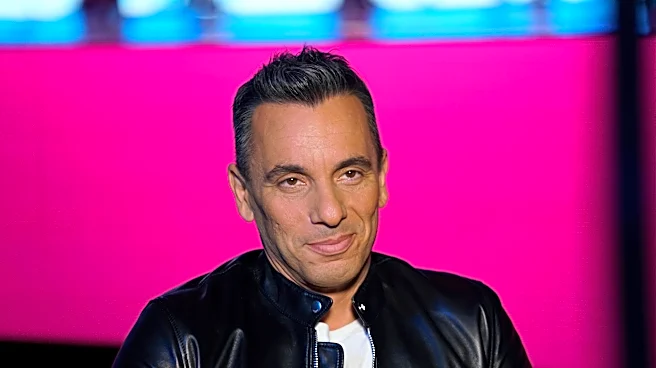
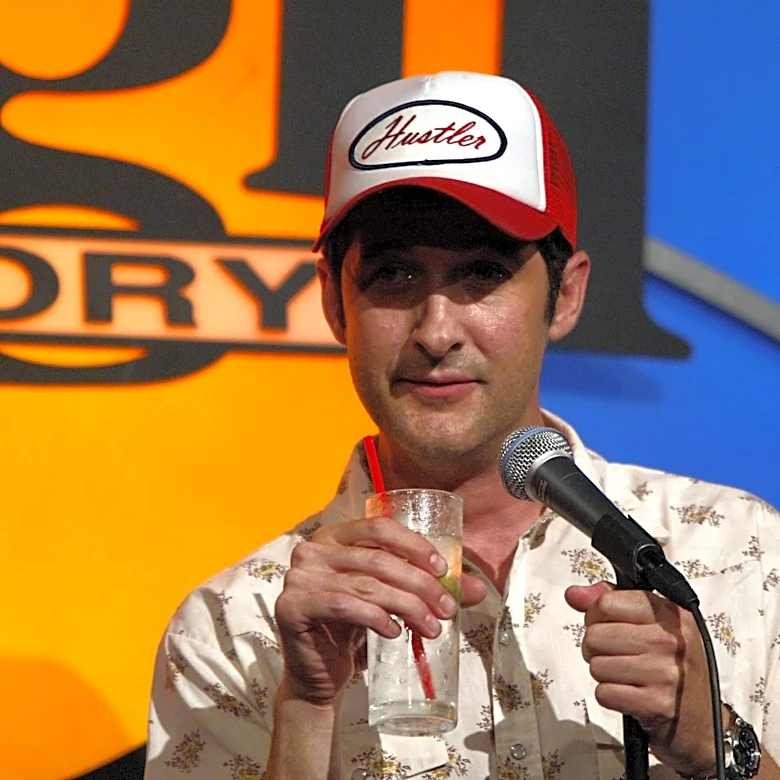
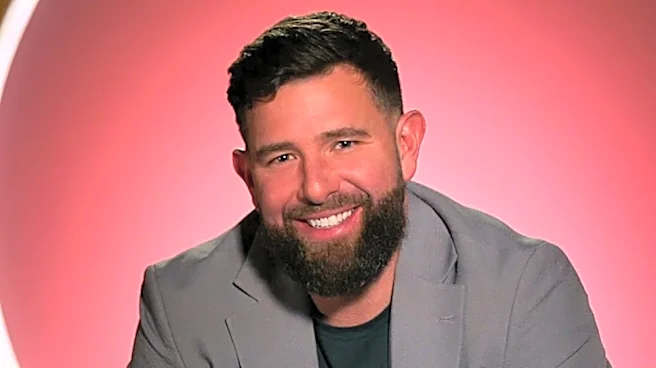
Former cast members of Netflix's reality dating show 'Love Is Blind' claim the series has shifted its focus from fostering genuine love stories to escalating drama for ratings. Nick Thompson, a participant from season two, stated that the show's initial
appeal, centered on compatibility and the experiment's premise, has been replaced by a casting strategy that favors 'villains' and dramatic storylines. He observed that even by season two, some participants were motivated by the potential for fame rather than finding a partner. Sarah Ann Bick, from season six, echoed this sentiment, noting a 'much heavier emphasis on creating drama and entertaining storylines' over authentic connections. Shake Chatterjee, also from season two, believes people now join the show for entertainment and a platform, suggesting producers prioritize viewership over genuine relationships. Sam Klein, from the UK version, also highlighted changes in casting, where applicants are more aware of the exposure and how they might be perceived on television, altering the dynamic of the experiment.
Why It's Important?
This shift in 'Love Is Blind' highlights a broader trend within the reality television industry where the pursuit of high ratings can compromise the original intent and integrity of a show. For Netflix, a major streaming platform, this approach risks alienating viewers who were initially drawn to the show's premise of genuine connection. The allegations suggest a 'churn and burn' mentality, where rapid production of seasons may lead to less care in casting and storytelling, potentially diminishing the show's quality and long-term appeal. This could impact Netflix's reputation for original content and its ability to retain subscribers who seek authentic programming. Furthermore, it raises ethical questions about the welfare of participants, who may be exploited for dramatic effect, and the potential for negative public perception if the show is seen as manipulative or disingenuous. The focus on drama over genuine relationships could also influence societal perceptions of dating and relationships, particularly among younger audiences who consume such content.
What's Next?
The future of 'Love Is Blind' may involve continued scrutiny from viewers and former participants regarding its production practices and ethical considerations. If the trend of prioritizing drama persists, the show could face further criticism and a decline in its perceived authenticity. This might prompt Netflix to re-evaluate its production strategies for reality programming, potentially leading to changes in casting processes or a renewed emphasis on the show's original premise to regain viewer trust. However, if ratings remain strong despite the criticisms, the current approach is likely to continue. The ongoing discussion among former cast members and the public could also influence how future participants approach the show, potentially leading to more strategic or fame-driven motivations, further entrenching the show's current direction. The show's producers might also issue statements or make subtle adjustments in response to the feedback, though significant changes are often driven by viewership numbers and financial performance.
Beyond the Headlines
The evolution of 'Love Is Blind' from a seemingly groundbreaking social experiment to a drama-focused spectacle reflects a deeper cultural phenomenon: the commodification of human relationships for entertainment. This trend raises questions about the ethical responsibilities of media companies in portraying interpersonal dynamics. The show's shift also underscores the impact of social media and the 'fame economy' on reality television, where participants may view these platforms as a stepping stone to personal branding rather than a genuine search for love. This can blur the lines between reality and performance, making it difficult for audiences to discern authentic interactions from manufactured drama. The long-term implications could include a growing cynicism towards reality TV and a re-evaluation of its role in shaping societal norms around relationships and public image. The show's trajectory serves as a case study for how commercial pressures can transform artistic or experimental endeavors into formulaic content driven by ratings.