






What's Happening?
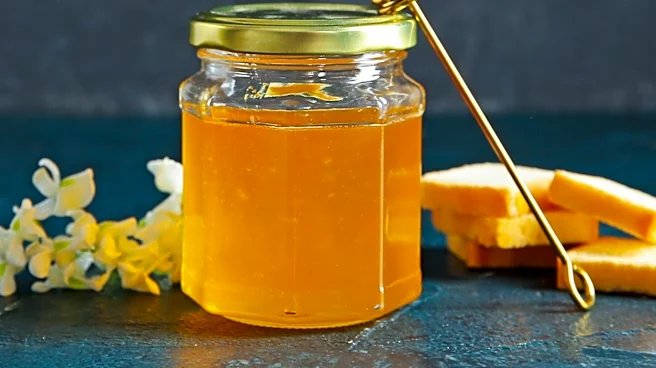
The market for Manuka honey is experiencing a surge in demand, leading to an increase in authentic brands and a need for consumers to discern genuine products from fakes. Manuka honey, known for its unique high methylglyoxal (MGO) content, which provides
stable non-peroxide antibacterial activity, is sourced from the Leptospermum scoparium shrub native to New Zealand and Australia. Consumers are advised to look for key metrics like MGO and UMF (Unique Manuka Factor) ratings, independent batch lab testing, and clear origin information to ensure authenticity. New Zealand strictly regulates its Manuka honey exports, requiring certification based on chemical and DNA markers. Brands like Bees & Trees, Tahi, WildCape, The True Honey Co., Steens, Manukora, New Zealand Honey Co., Comvita, Manuka Bloom, and Berringa are highlighted for their transparency and quality.
Why It's Important?
The growing popularity of Manuka honey in the U.S. market has significant implications for consumers and the health and wellness industry. As more individuals seek natural remedies and functional foods, the demand for premium products like Manuka honey increases. This demand, however, also attracts counterfeit products, making consumer education on authenticity crucial. The emphasis on MGO and UMF ratings provides a standardized way for consumers to evaluate product quality and potency, fostering trust in legitimate brands. For businesses, maintaining transparency through lab testing and clear sourcing information is becoming a competitive advantage, ensuring consumer loyalty and upholding the integrity of the Manuka honey market. The strict regulations in New Zealand also set a precedent for quality control in specialized food exports.
What's Next?
The Manuka honey market is expected to continue its growth trajectory, with an increasing focus on traceability and consumer trust. Brands will likely invest more in advanced testing and transparent reporting mechanisms, such as QR codes linking to lab results, to differentiate themselves. Regulatory bodies in both New Zealand and Australia may further refine their standards to combat counterfeiting and ensure product integrity. Consumers will become more educated and discerning, driving demand for ethically sourced and verified products. This could also lead to innovations in packaging and marketing that highlight authenticity. The expansion of Manuka honey into various product categories, beyond just raw honey, such as skincare and supplements, is also a foreseeable development.
Beyond the Headlines
The Manuka honey phenomenon extends beyond its health benefits, touching upon broader themes of global trade, indigenous knowledge, and environmental sustainability. The unique properties of Manuka honey are rooted in the specific flora of New Zealand and Australia, highlighting the value of biodiversity and traditional ecological knowledge. The industry's efforts to combat counterfeiting reflect the challenges of protecting geographical indications and intellectual property in a globalized market. Furthermore, the emphasis on ethical harvesting and sustainable practices by some brands, such as Tahi's 'bee first' approach, underscores a growing consumer awareness of environmental impact and corporate responsibility. This market serves as a microcosm for the complexities of bringing natural, high-value products from specific regions to a global consumer base.